كيفية شراء منزل في لبنان بثقة
DoorEast | | آخر تحديث:
1 دقيقة قراءة
Buying & Selling
شراء منزل في لبنان نادرًا ما يُقرر من خلال العرض الأول. قد يبدو العقار مناسبًا، لكن الحي، والملف القانوني، وشروط الدفع، والوصول إلى الطرق، وإمكانية إعادة البيع على المدى الطويل جميعها تستحق نفس الاهتمام. بالنسبة لأي شخص يبحث عن "شراء منزل في لبنان"، الهدف ليس مجرد العثور على منزل متاح. بل هو اتخاذ خطوة مستنيرة في سوق حيث تشكل التفاصيل القيمة.
تساعدك عملية واضحة على مقارنة الخيارات بشكل أسرع، وطرح أسئلة أفضل، والتحرك عندما يظهر العقار المناسب. ابدأ بأولوياتك، تحقق مما يهم، وابقِ كل قرار مرتبطًا بميزانيتك الحقيقية وخططك.
ابدأ بالحياة التي تريدها من العقار
قبل تصفية القوائم، قرر ما الذي يحتاجه المنزل ليقدمه لك. قد تتطلب الإقامة الرئيسية، أو ملاذ عطلة نهاية الأسبوع، أو منزل العائلة، أو عقار الاستثمار مواقع وتصميمات مختلفة تمامًا. غالبًا ما يبدأ المشترون بعدد غرف النوم، ثم يدركون أن وقت التنقل، ومواقف السيارات، والمساحة الخارجية، وتوافر المياه، أو القرب من العائلة تهم أكثر.
اكتب ما لا يمكن التفاوض عليه وما تفضله. قد تشمل الأمور غير القابلة للتفاوض عددًا معينًا من غرف النوم، وصولًا مستقلًا، نظام طاقة احتياطي، حديقة، أو أقصى مسافة من بيروت. قد تشمل التفضيلات إطلالة على البحر، مطبخًا تم تجديده مؤخرًا، أو قطعة أرض أكبر. هذا التمييز يمنع قائمة جميلة من سحبك بعيدًا عن ما تحتاجه فعلاً.
كما قرر ما إذا كنت تريد عقارًا جاهزًا للسكن أو أنك مستعد للتجديد. قد يقدم المنزل الذي يحتاج إلى عمل مساحة أكبر أو موقعًا أقوى مقابل السعر، لكن ميزانيات التجديد يمكن أن تتغير بسرعة عندما تتدخل الإصلاحات الهيكلية، أو المرافق، أو التصاريح، أو المواد المستوردة. إذا كانت مهلة زمنك ضيقة، فقد يكون المنزل الجاهز هو الخيار الأكثر ذكاءً حتى بسعر شراء أعلى.
قارن المناطق قبل مقارنة المنازل
تقدم لبنان تجارب شراء مختلفة جدًا من منطقة إلى أخرى. قد يجذب منزل في المتن المشترين الذين يرغبون في الوصول إلى بيروت مع الحفاظ على بيئة سكنية. يمكن أن تناسب كسروان وجبيل المشترين الذين يبحثون عن الوصول إلى الساحل، أو الاستخدام الموسمي، أو توازن بين الروابط الحضرية وإيقاع أبطأ. قد توفر المناطق الجبلية المزيد من الأراضي، وصيفًا أكثر برودة، وخصوصية، بينما تتطلب نظرة أقرب على الوصول في الشتاء والخدمات على مدار السنة.
لا توجد أفضل موقع عالمي. يعتمد ذلك على مدى تكرار استخدامك للعقار، وأين تعمل، ومن سيعيش هناك، وما تتوقعه منه في غضون خمس أو عشر سنوات. قد يعطي المستثمر الأولوية لطلب الإيجار والسيولة في إعادة البيع. قد تضع العائلة المدارس، وظروف الطرق، والراحة اليومية في المقدمة. قد يقدر المغترب الوصول السهل إلى المطار، والأمان، ومنزل يمكن صيانته عن بُعد.
قم بزيارة كل منطقة مختصرة في أكثر من وقت من اليوم. يمكن أن يبدو الازدحام المروري في الصباح، والنشاط في عطلة نهاية الأسبوع، وضجيج الشارع، ومواقف السيارات مختلفة تمامًا عن عرض هادئ في منتصف النهار. انتبه إلى المحيط المباشر، وليس فقط الإطلالة من الشرفة. يمكن أن تؤثر أعمال البناء القريبة، وطرق الوصول الحادة، والتطوير غير المخطط، والبنية التحتية المحدودة على كل من الحياة اليومية والقيمة المستقبلية.
تعتبر أدوات البحث المعتمدة على الخرائط مفيدة في هذه المرحلة لأنها تتيح لك رسم المنطقة الدقيقة التي ترغب في النظر فيها بدلاً من الاعتماد فقط على تسميات الأحياء العامة. يمكن أن تحدث بعض الشوارع فرقًا كبيرًا في الوصول، والإطلالات، والأسعار.
حدد ميزانية كاملة، وليس فقط سعر الشراء
سعر الإدراج هو نقطة البداية، وليس التكلفة الكاملة للملكية. عند التخطيط لشراء منزل في لبنان، احسب ما يمكنك دفعه بشكل مريح مع الأخذ في الاعتبار تكاليف التسجيل، والرسوم المهنية، والإصلاحات المحتملة، والأثاث، والتأمين، والصيانة، وترقيات المرافق.
اسأل مبكرًا كيف سيتم هيكلة المعاملة وفي أي عملة يُتوقع الدفع. يمكن أن تختلف ظروف السوق وتوقعات البائع حسب العقار، لذا فإن الوضوح في البداية يتجنب المشاهدات الضائعة والمفاوضات الصعبة لاحقًا. إذا كنت تعتمد على التمويل، فتأكد من الشروط والتوقيت قبل أن ترتبط عاطفيًا بمنزل معين.
احتفظ باحتياطي للطوارئ، خاصة بالنسبة للمنازل القديمة. يمكن أن تصبح سقف، أو مشكلة تصريف، أو جدار دعم، أو مولد، أو نظام شمسي، أو خزان مياه، أو نظام تدفئة مصاريف كبيرة. قد لا يكون العقار منخفض السعر قيمة أفضل إذا كان يتطلب عملاً فوريًا يمد ميزانيتك إلى ما وراء حدود الراحة.
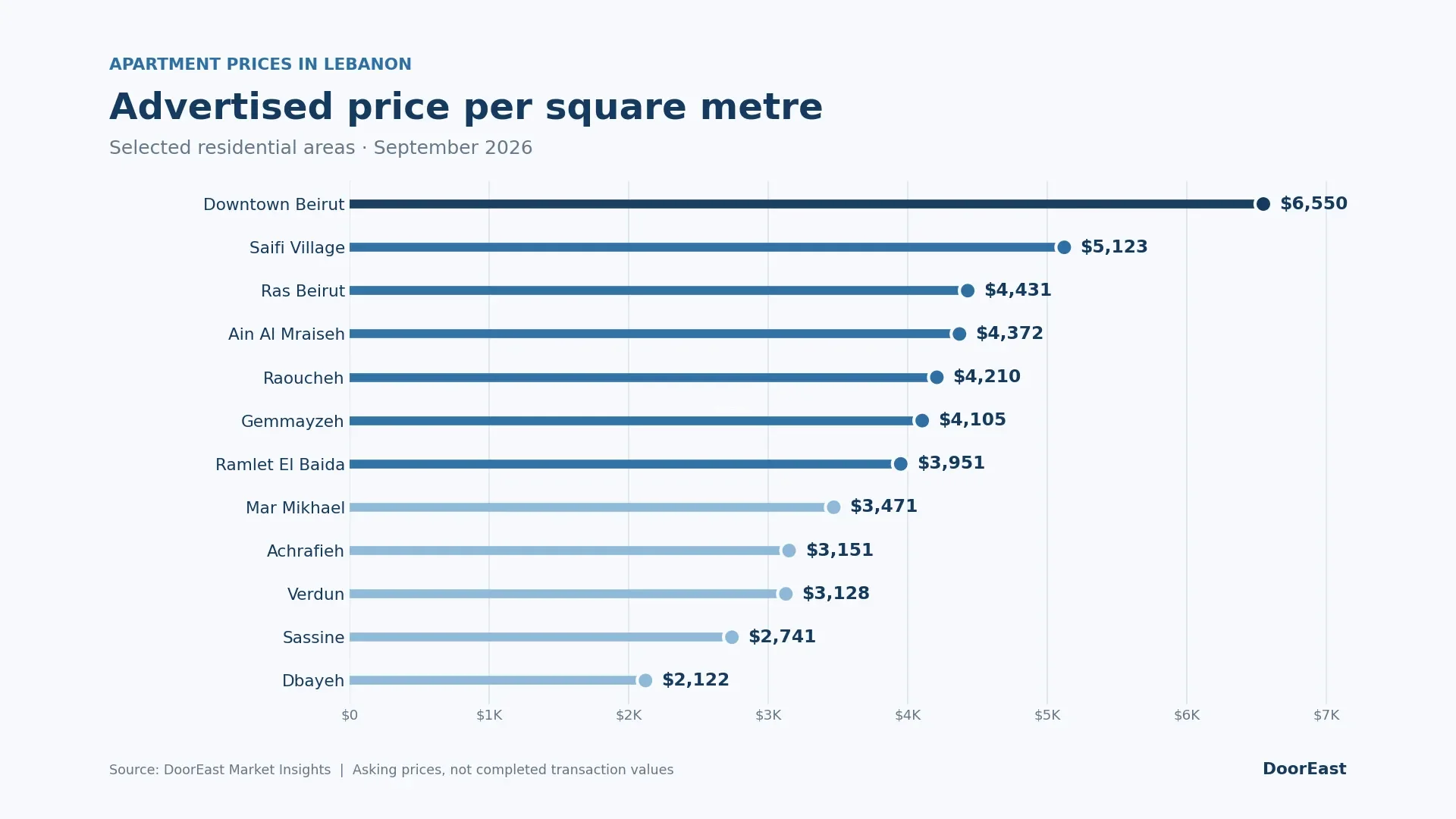
يجب أن تكون مقارنة الأسعار عملية أيضًا. قارن المنازل ذات الحجم الأرضي المماثل، والحالة، والوصول، والعمر، والموقع، بدلاً من التركيز فقط على السعر لكل متر مربع. قد يبرر منزل مُحافظ عليه جيدًا على قطعة أرض قابلة للاستخدام مع وصول موثوق رقمًا أعلى من عقار أكبر بتضاريس صعبة أو صيانة مؤجلة كبيرة.
راجع العقار بما يتجاوز الصور
يمكن أن تساعد الصور عالية الجودة والجولات ثلاثية الأبعاد في تضييق بحثك، خاصة إذا كنت في الخارج أو تقارن بين عدة مناطق. لكنها لا تحل محل زيارة تفصيلية شخصية. تجول في المنزل ببطء وانظر إلى ما هو أبعد من التشطيبات التي يسهل تغييرها.
تحقق من الضوء الطبيعي، والتهوية، وارتفاع السقف، والتخزين، والخصوصية من العقارات المجاورة، وحالة النوافذ والجدران الخارجية. قم بتشغيل الصنابير، وافحص الحمامات بحثًا عن علامات الرطوبة، واسأل كيف تعمل أنظمة المياه، والكهرباء، والتدفئة، والتبريد، والاحتياطي. إذا كان للعقار أرض، فقم بتقييم التصريف، وجدران الدعم، وحقوق الوصول إلى الحدود، وكم من المساحة الخارجية قابلة للاستخدام حقًا.
بالنسبة لمرشح جاد، يمكن أن تكون المدخلات الفنية المستقلة ذات قيمة. يمكن لمهندس مؤهل أو محترف ذي صلة تحديد المشكلات التي قد لا تكون مرئية خلال عرض قياسي. هذا مهم بشكل خاص للعقارات القديمة، أو المنازل التي تم توسيعها بمرور الوقت، أو المنازل المبنية على أراضٍ منحدرة.
تحقق من الوثائق قبل الالتزام
يمكن أن يكون العقار جذابًا، ومُسعّر بشكل عادل، وما زال يتطلب مراجعة قانونية دقيقة. لا تعالج مرحلة الوثائق كإجراء شكلي. قبل التوقيع أو تحويل الأموال، اعمل مع محترف قانوني مؤهل يمكنه مراجعة حالة الملكية ومتطلبات المعاملة لوضعك.
يجب أن تتناول المراجعة السجل الملكي، وأي رهن أو مطالبات، والمعلومات المساحية، والتصاريح والخرائط حيثما كان ذلك مناسبًا، وما إذا كانت حدود العقار والمناطق المبنية تتطابق مع ما يتم بيعه. إذا كان المنزل جزءًا من تطوير أكبر أو ترتيب ملكية مشتركة، افهم حقوق الوصول، والنفقات المشتركة، وأي قيود قد تؤثر على استخدامك للمنزل.
يجب على المشترين الذين يعيشون في الخارج أن يكونوا حذرين بشكل خاص بشأن التمثيل وترتيبات الدفع. لا تعتمد على الضمانات الشفوية عندما يمكن تأكيد الوثائق، والتفويضات، والجداول الزمنية كتابيًا. يجب أن يكون البائع الشفاف والوكيل ذو الخبرة مرتاحين لدعم عملية مراجعة مناسبة.
قد تبدو هذه الخطوة أبطأ من تصفح القوائم، لكنها تحمي القرار الذي عملت بجد لاتخاذه. توفر العناية الواجبة الجيدة لك الثقة للتفاوض من الحقائق بدلاً من الافتراضات.
تعاون مع الوكيل المناسب وتفاوض بوضوح
الوكيل المحلي المطلع يفعل أكثر من مجرد ترتيب العروض. يمكن للمحترف المناسب أن يشرح الأسعار الخاصة بالمنطقة، ويحدد المنازل المماثلة، وينسق الوصول، ويطرح أسئلة عملية، ويساعد في تنظيم التواصل بين المشتري والبائع والممثلين القانونيين.
اختر وكيلًا يستمع إلى متطلباتك بدلاً من إرسال كل قائمة متاحة. يجب أن تتلقى إجابات مباشرة حول الحالة، والموقع، وتوقعات الأسعار، والتنازلات المعروفة. إذا كان للمنزل قيود، مثل الوصول الضيق، أو ممر مشترك، أو احتياجات تجديد، فمن الأفضل فهمها مسبقًا بدلاً من اكتشافها بعد تقديم عرض.
عندما تكون مستعدًا للتفاوض، قدم عرضك بناءً على حالة العقار، والخيارات المماثلة، وحالة الوثائق، وقدرتك على الإغلاق. عادةً ما يكون العرض الواقعي مع شروط واضحة أكثر فعالية من رقم منخفض دون خطة موثوقة. يمكن أن تكون المرونة في التوقيت مهمة لبعض البائعين، بينما قد تكون العملية النظيفة والمعدة جيدًا أكثر أهمية بالنسبة للآخرين.
تساعدك DoorEast في جمع هذه العملية في مكان واحد، مع قوائم قابلة للبحث، وعقارات محفوظة، وتواصل مباشر، وتطابق الوكلاء، وأدوات بصرية تجعل المقارنات أسهل. استخدم تلك الأدوات للبقاء منظمًا، لكن دع المعلومات الموثوقة توجه القرار النهائي.
تحرك بحسم عندما يظهر المنزل المناسب
أفضل منزل ليس دائمًا الأحدث، أو الأكبر، أو الأكثر تصويرًا. إنه المنزل الذي يناسب حياتك، وميزانيتك، وثقتك في المعاملة. حافظ على معاييرك واضحة، وراجع كل خيار جاد بعناية، ولا تتعجل في تجاوز الأسئلة التي تستحق الإجابة. عندما يتوافق العقار مع المعايير العملية والمالية الصحيحة، يمكنك المضي قدمًا مع العلم أن القرار بُني على أكثر من انطباع أولي.