
Properties for Sale in Beirut
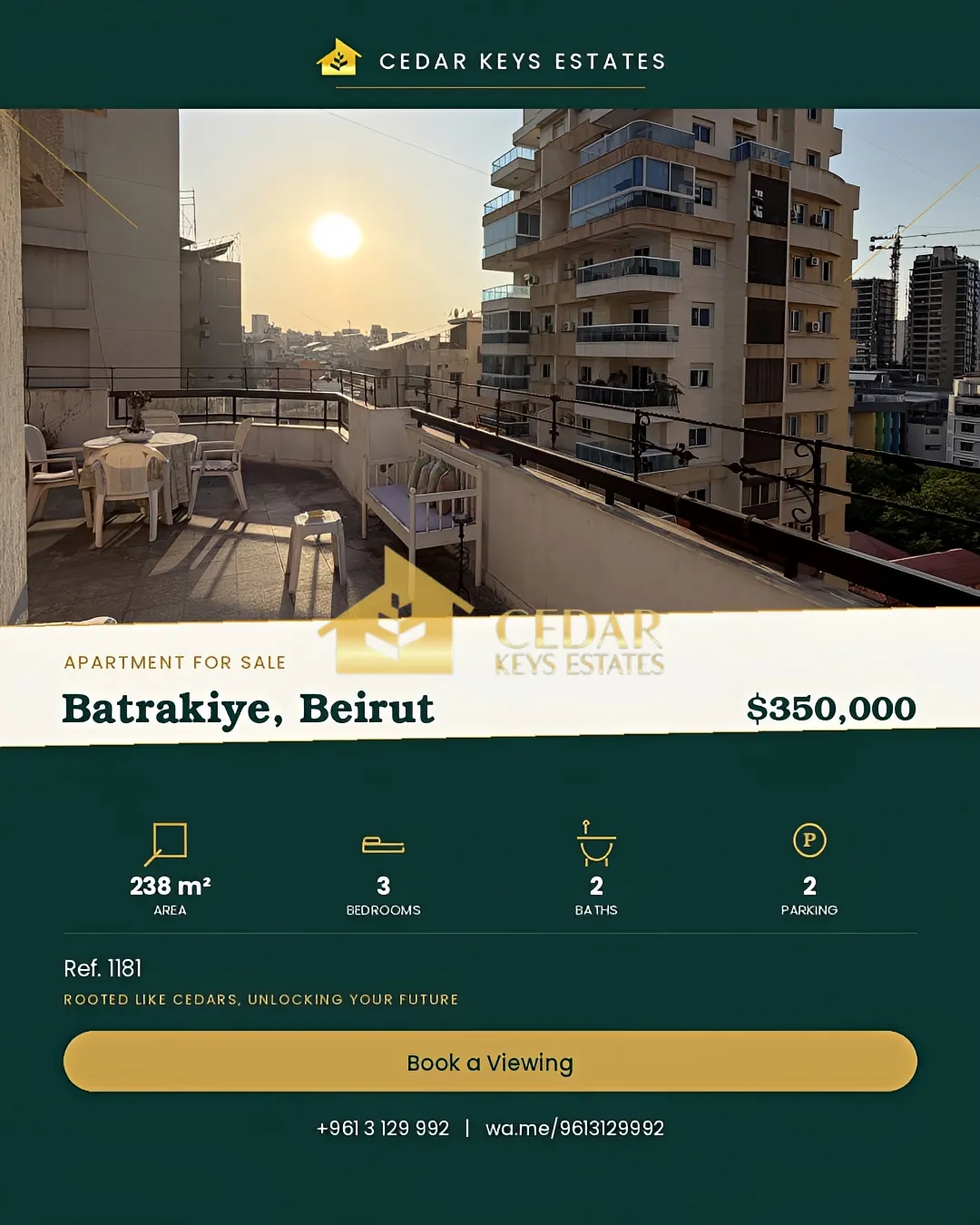
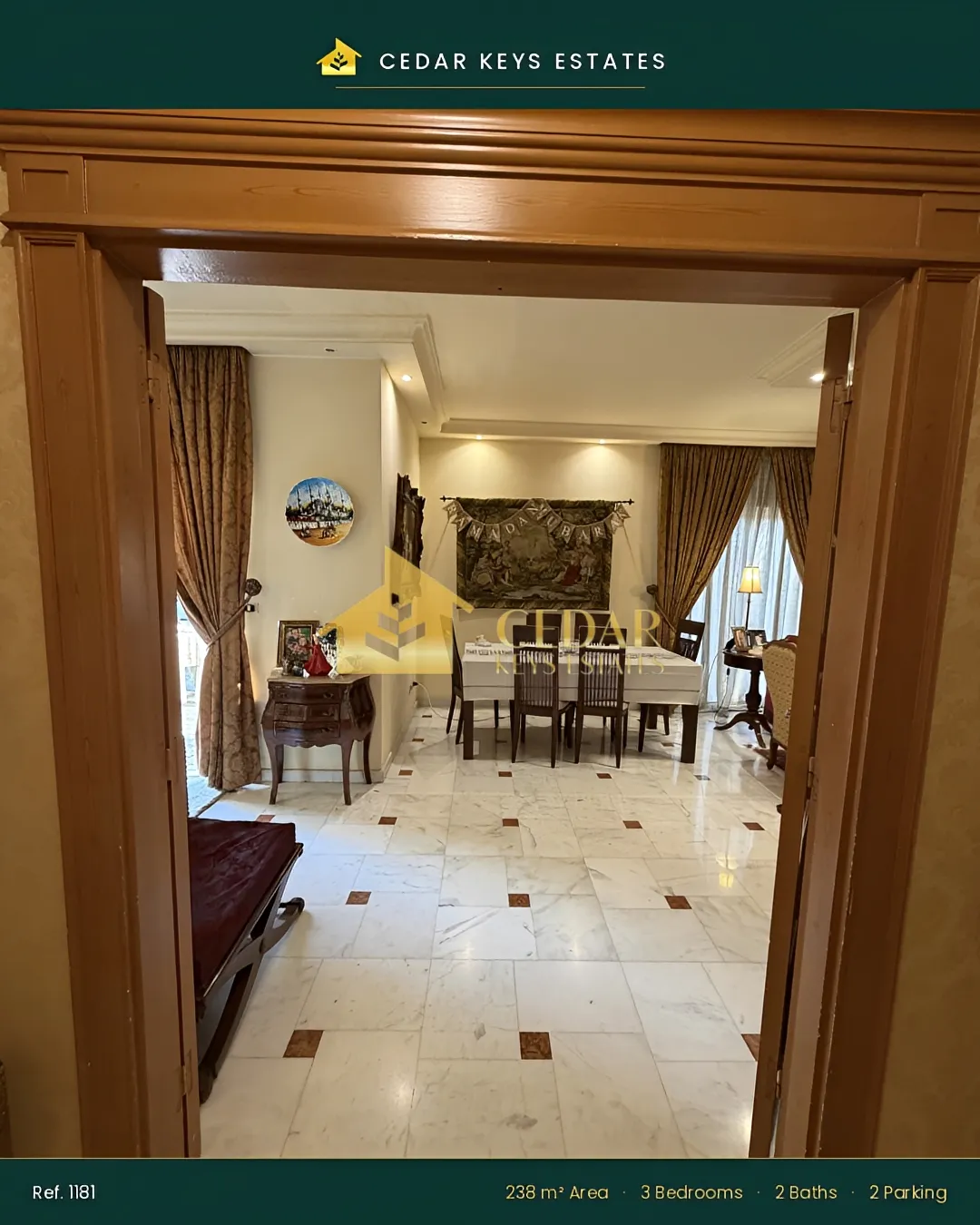
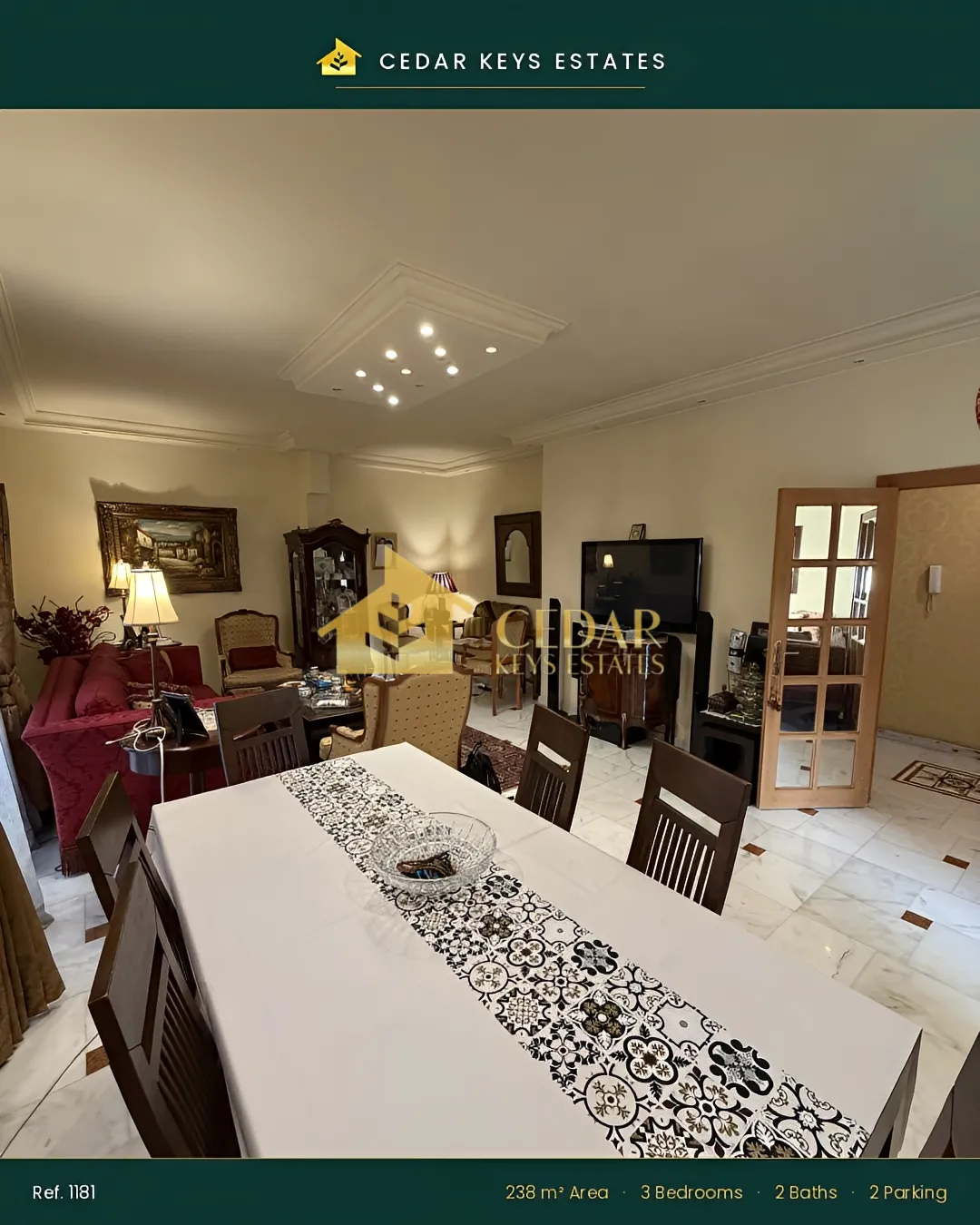
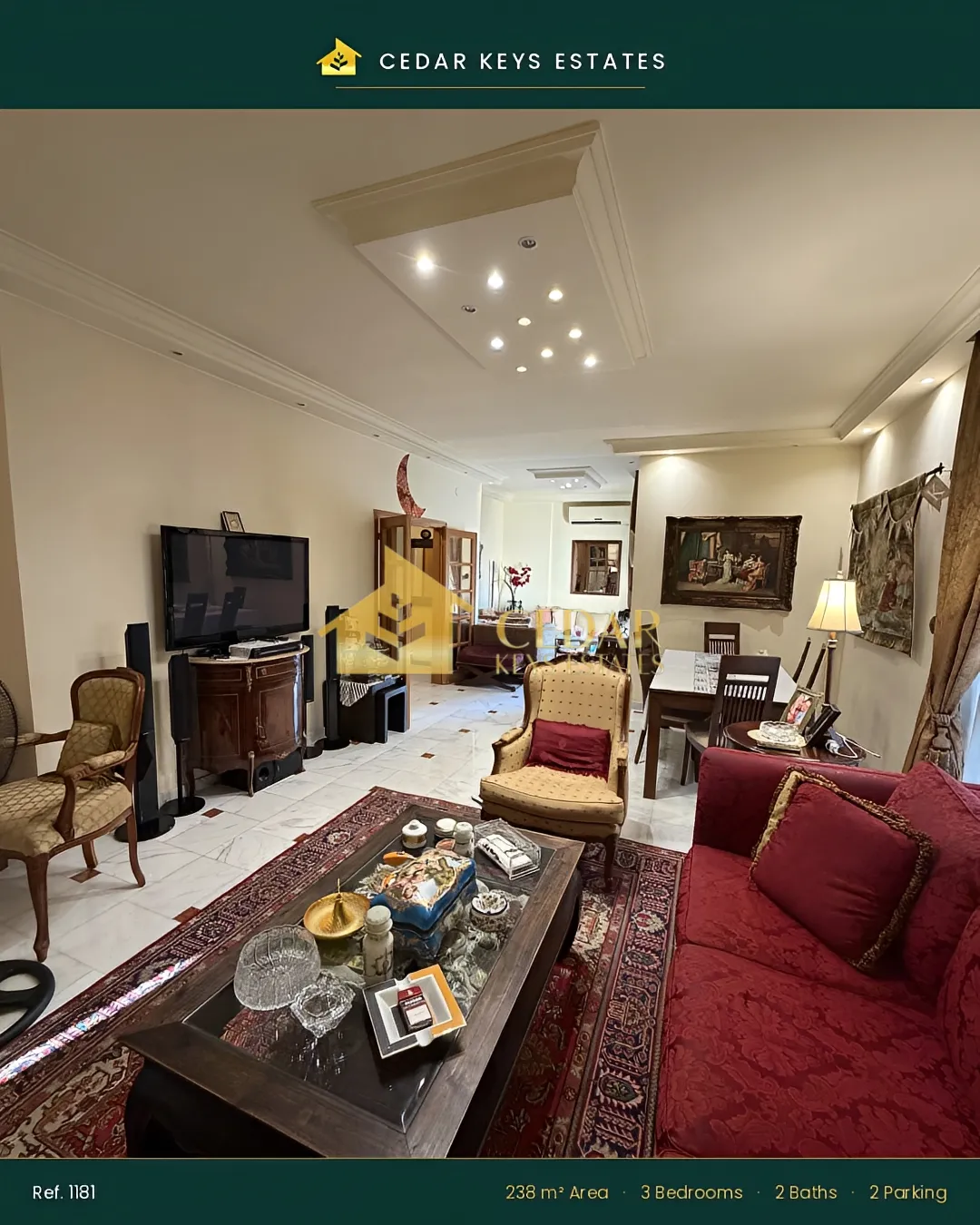
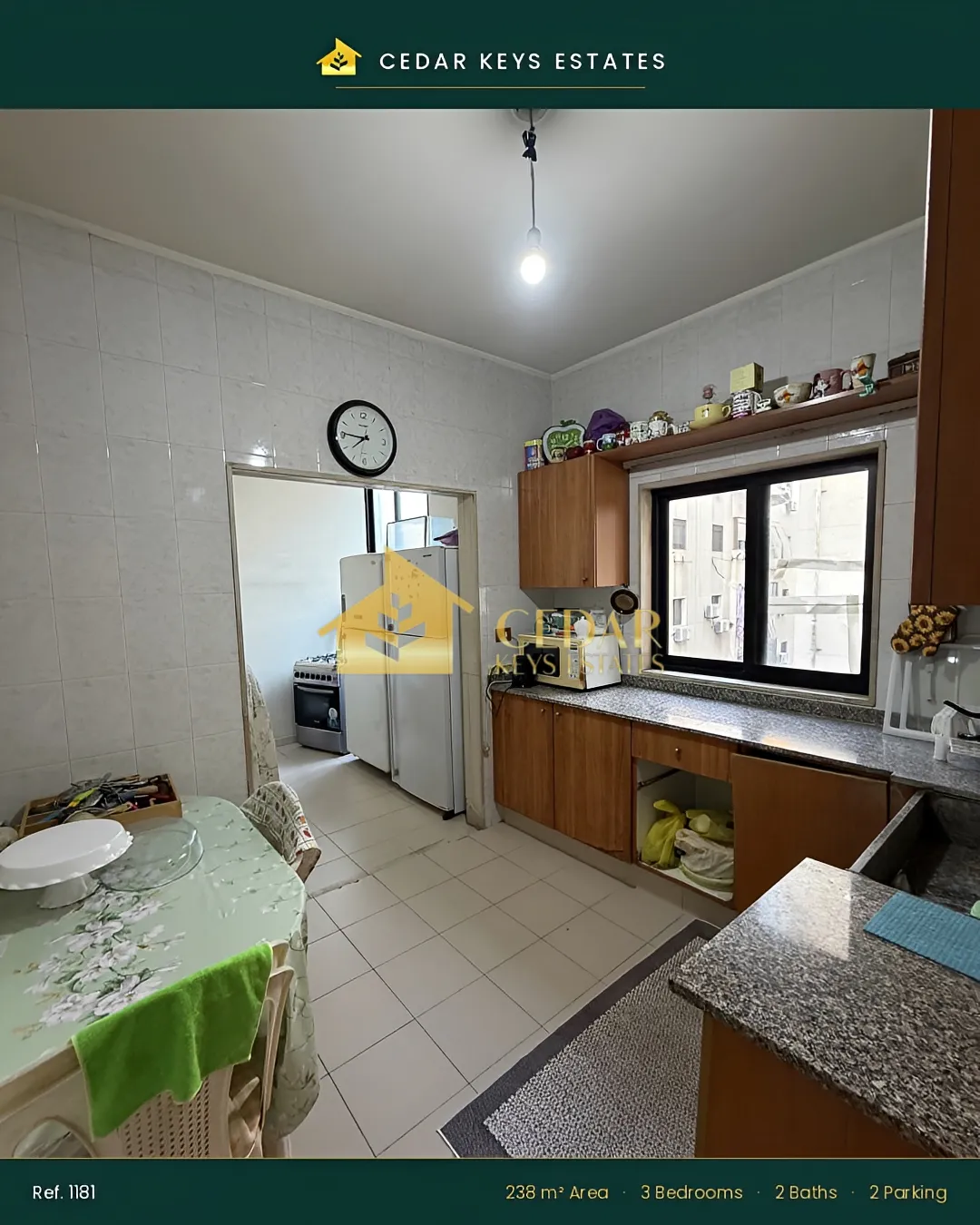
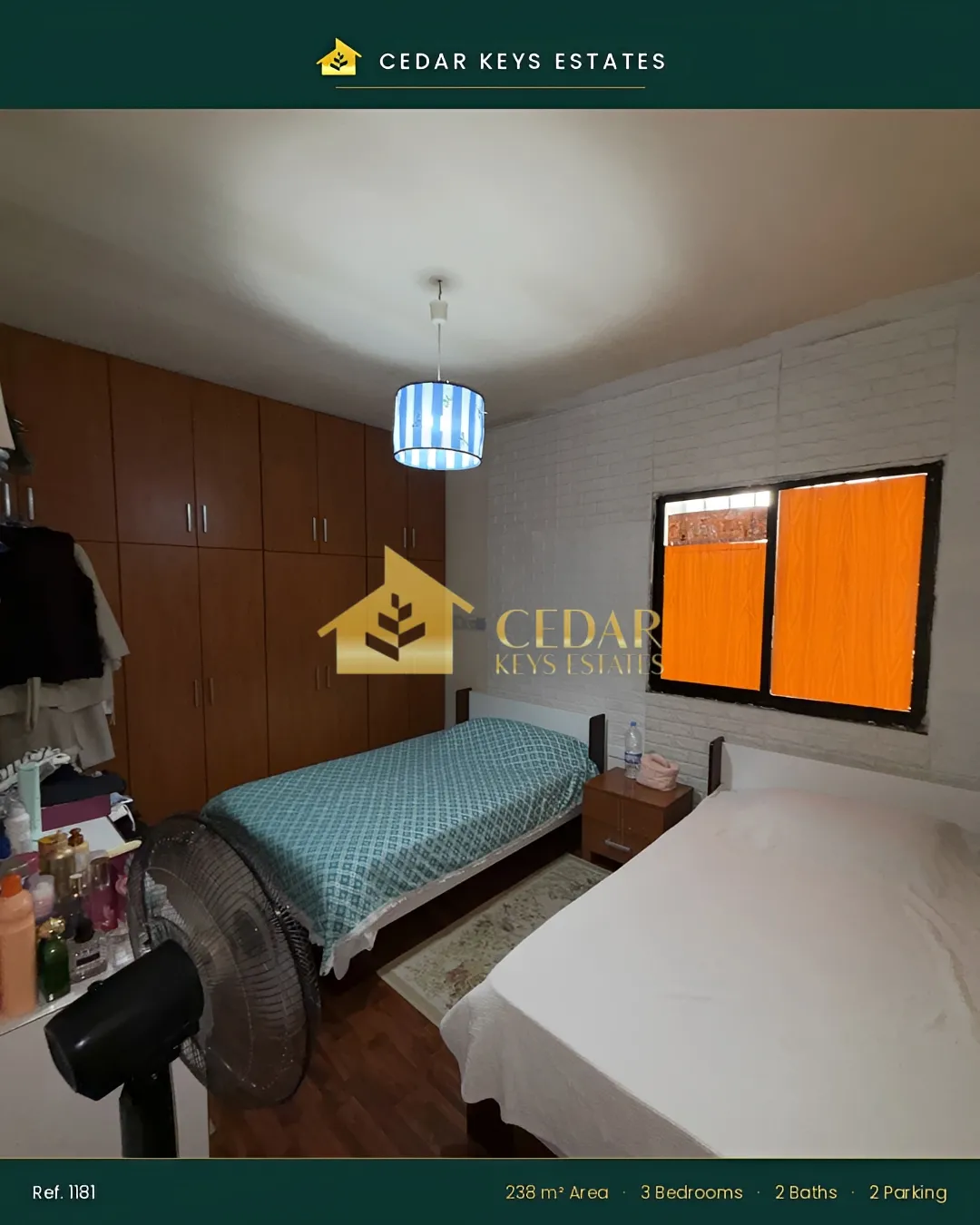
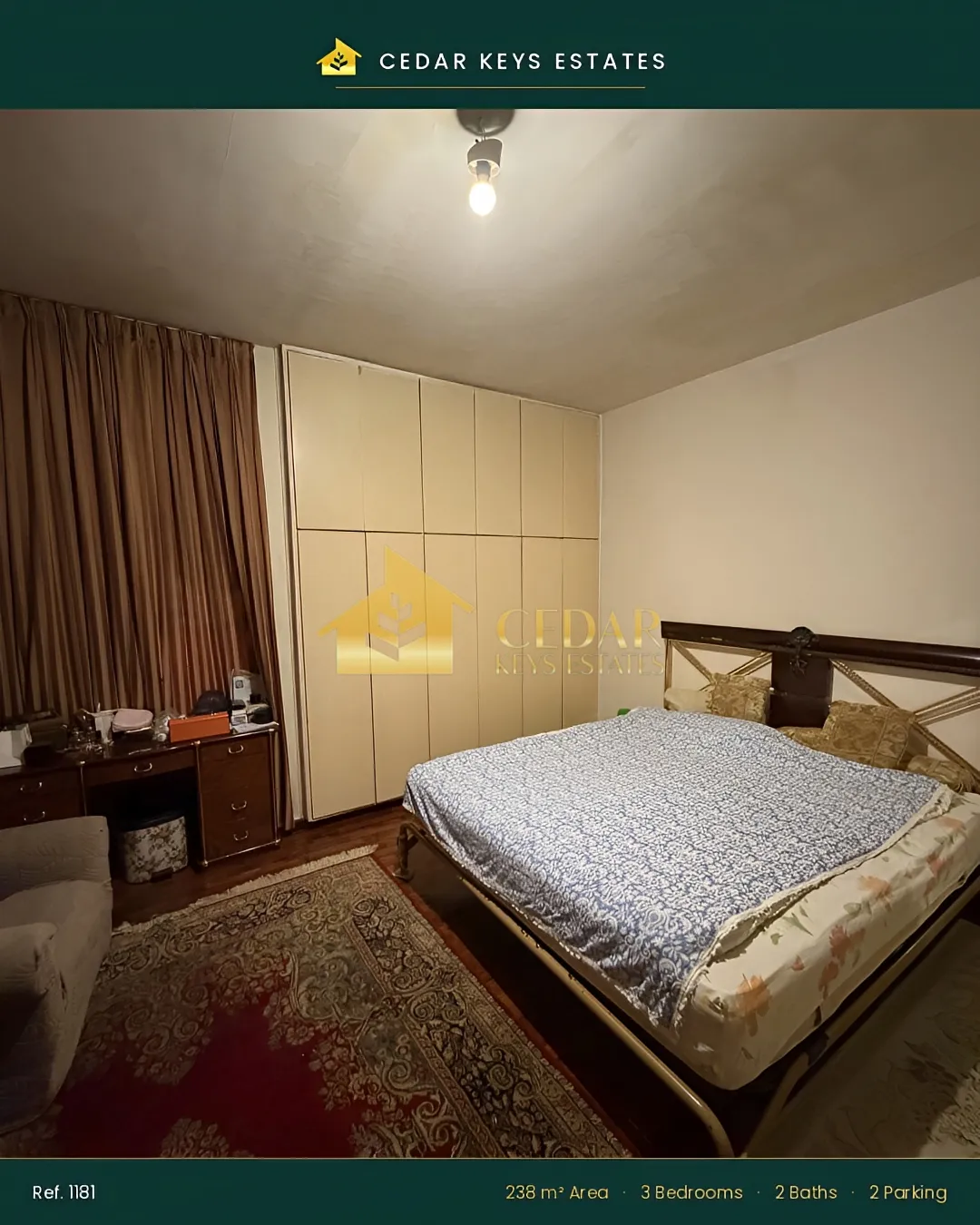
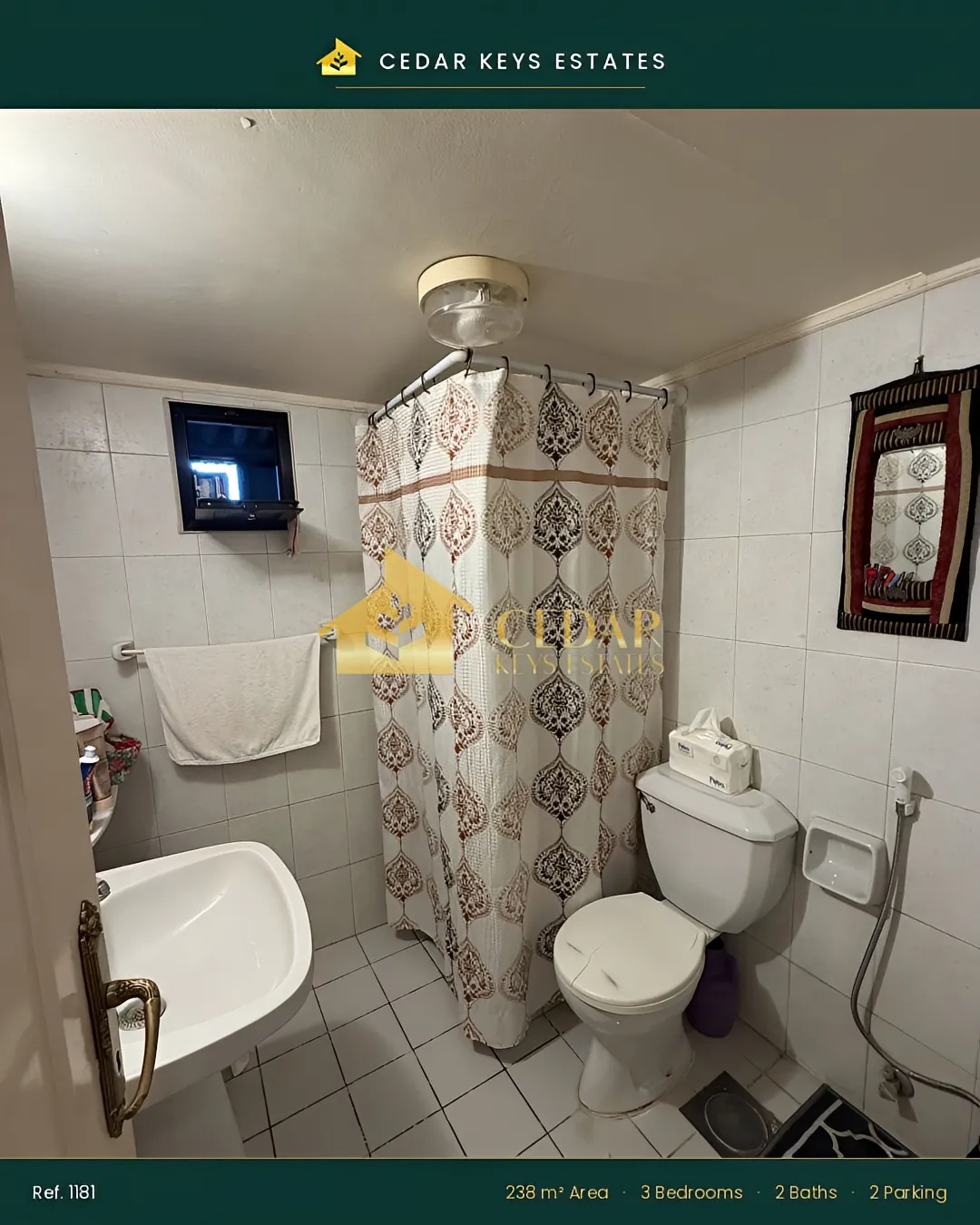
3 |
2 |
238 m²

Cedar Keys Estates SARL
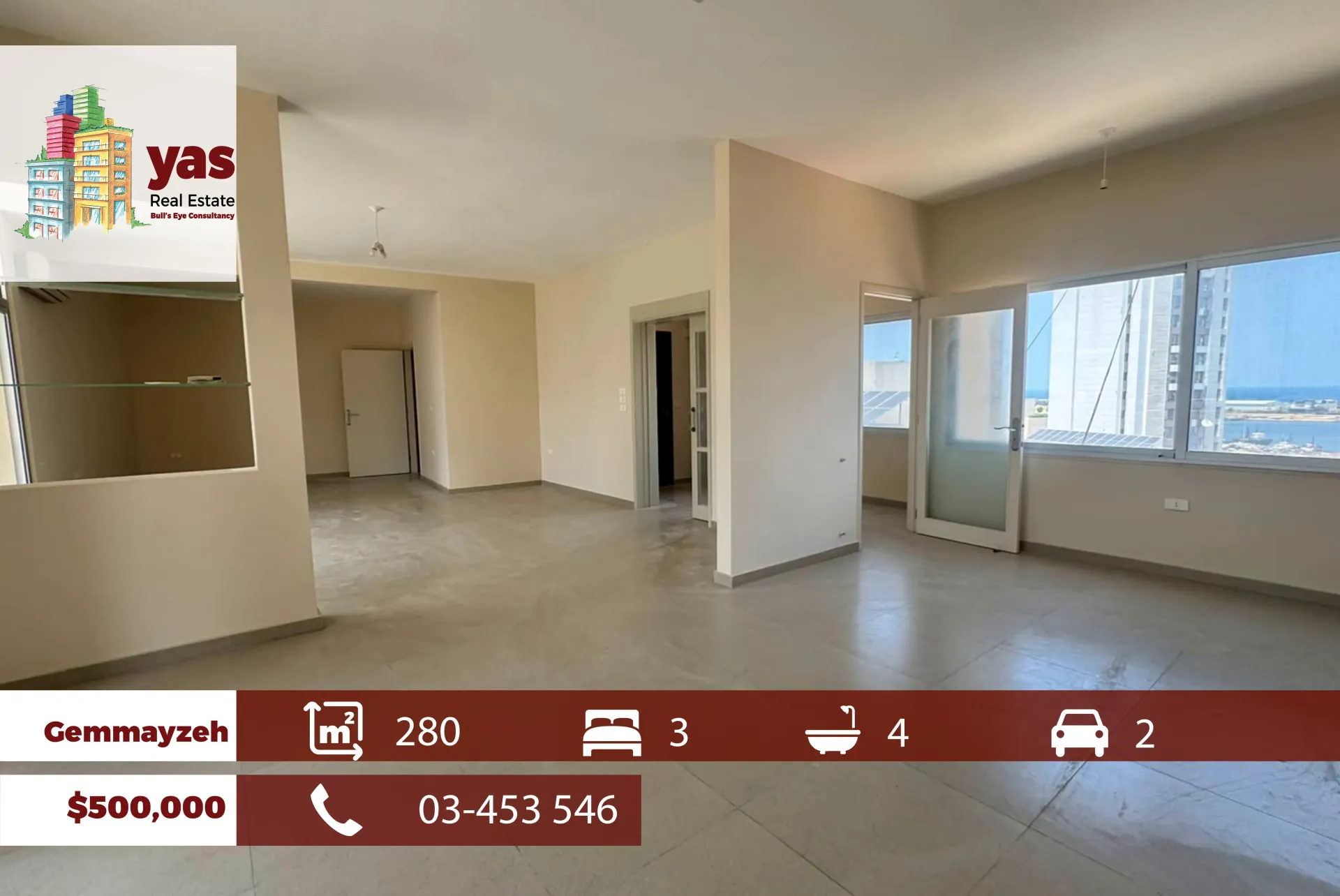
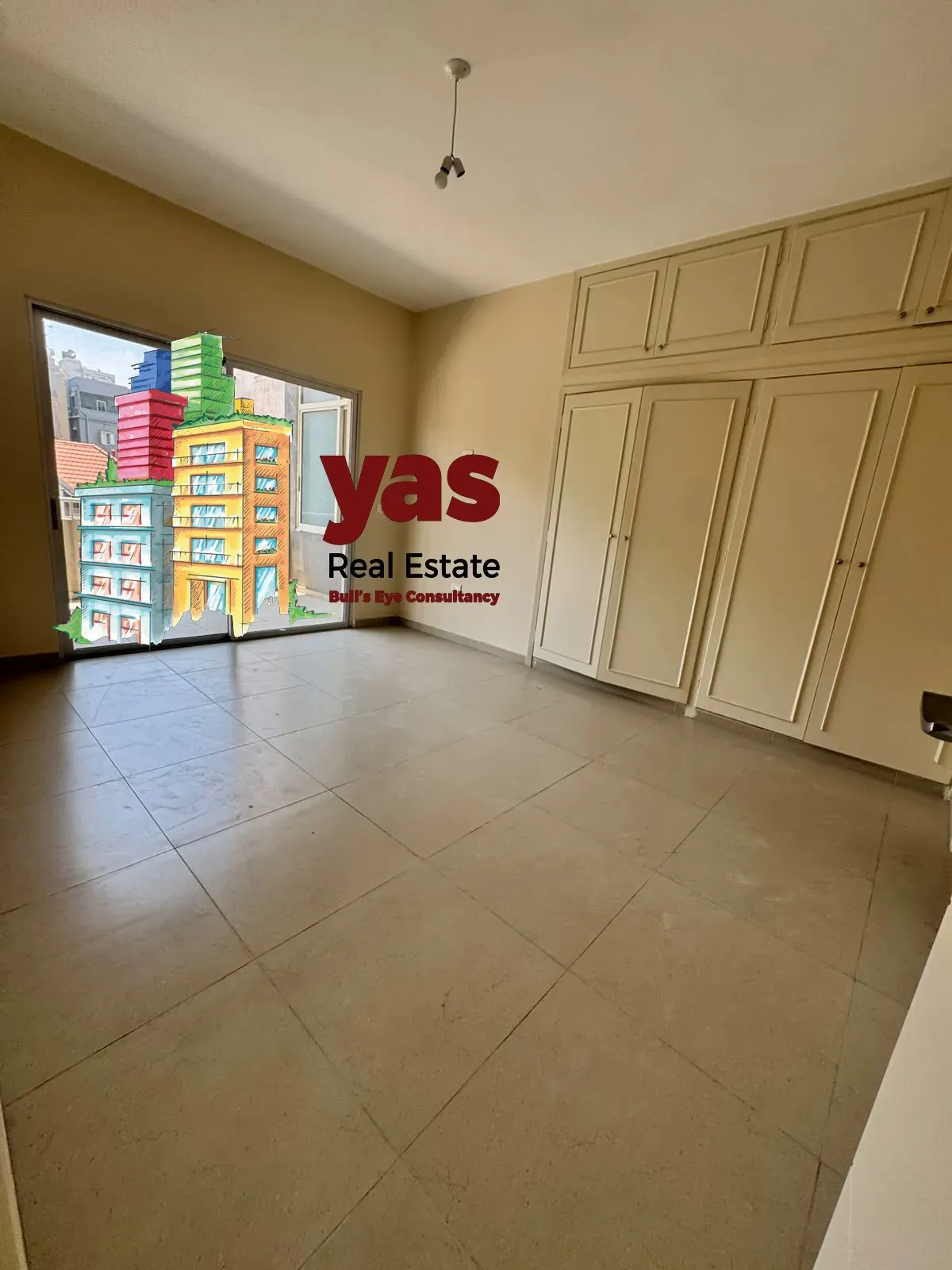
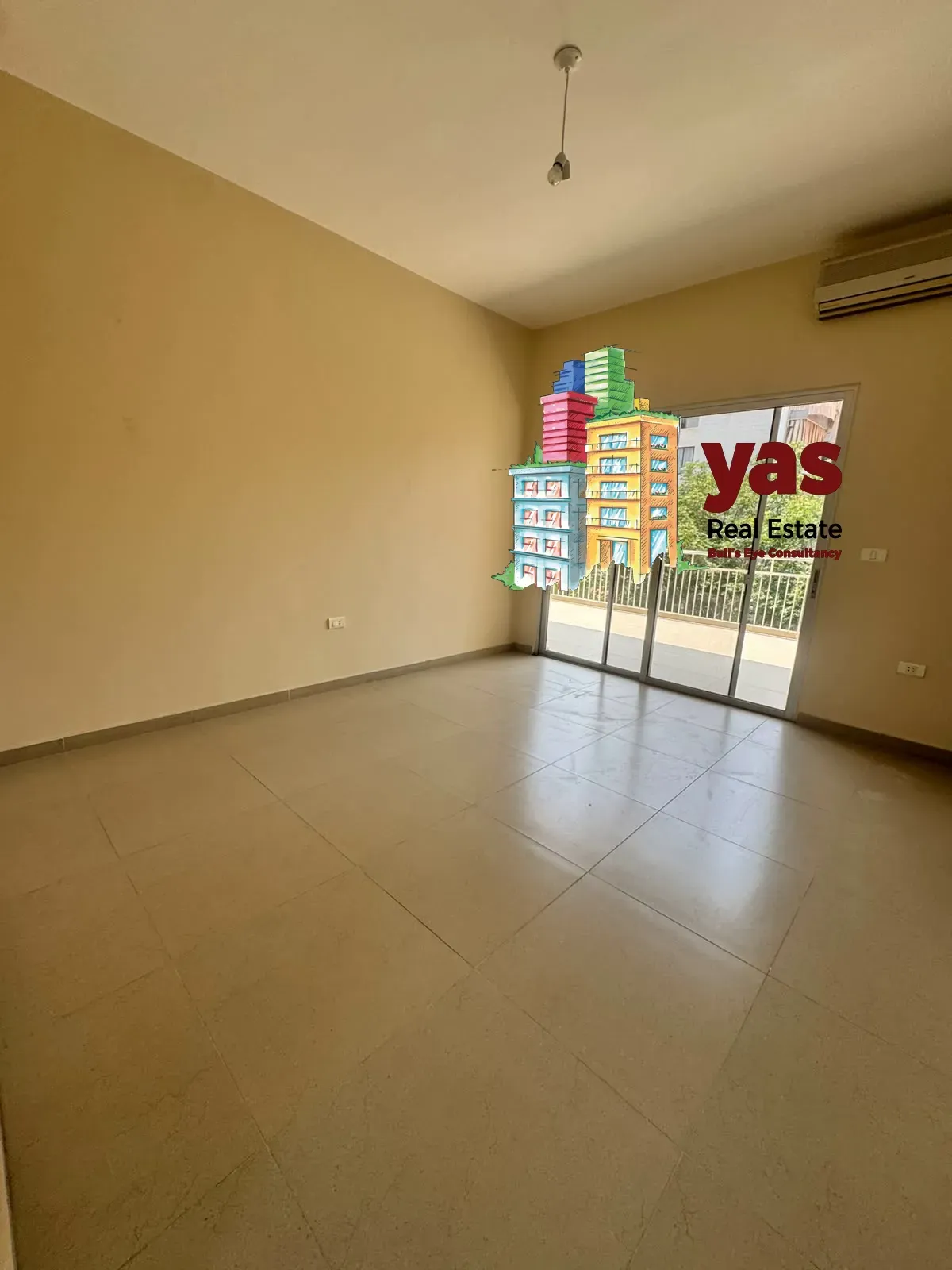
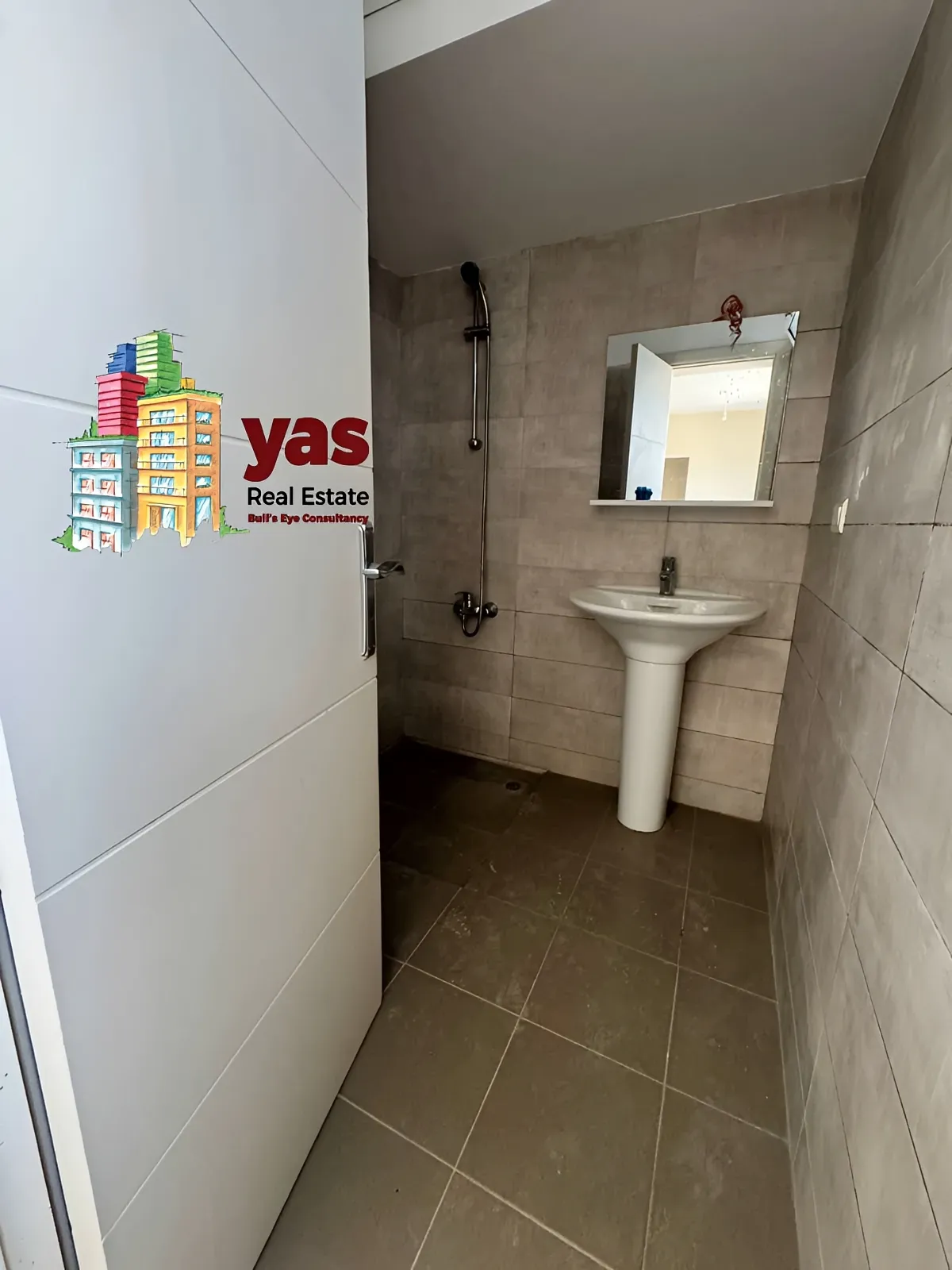
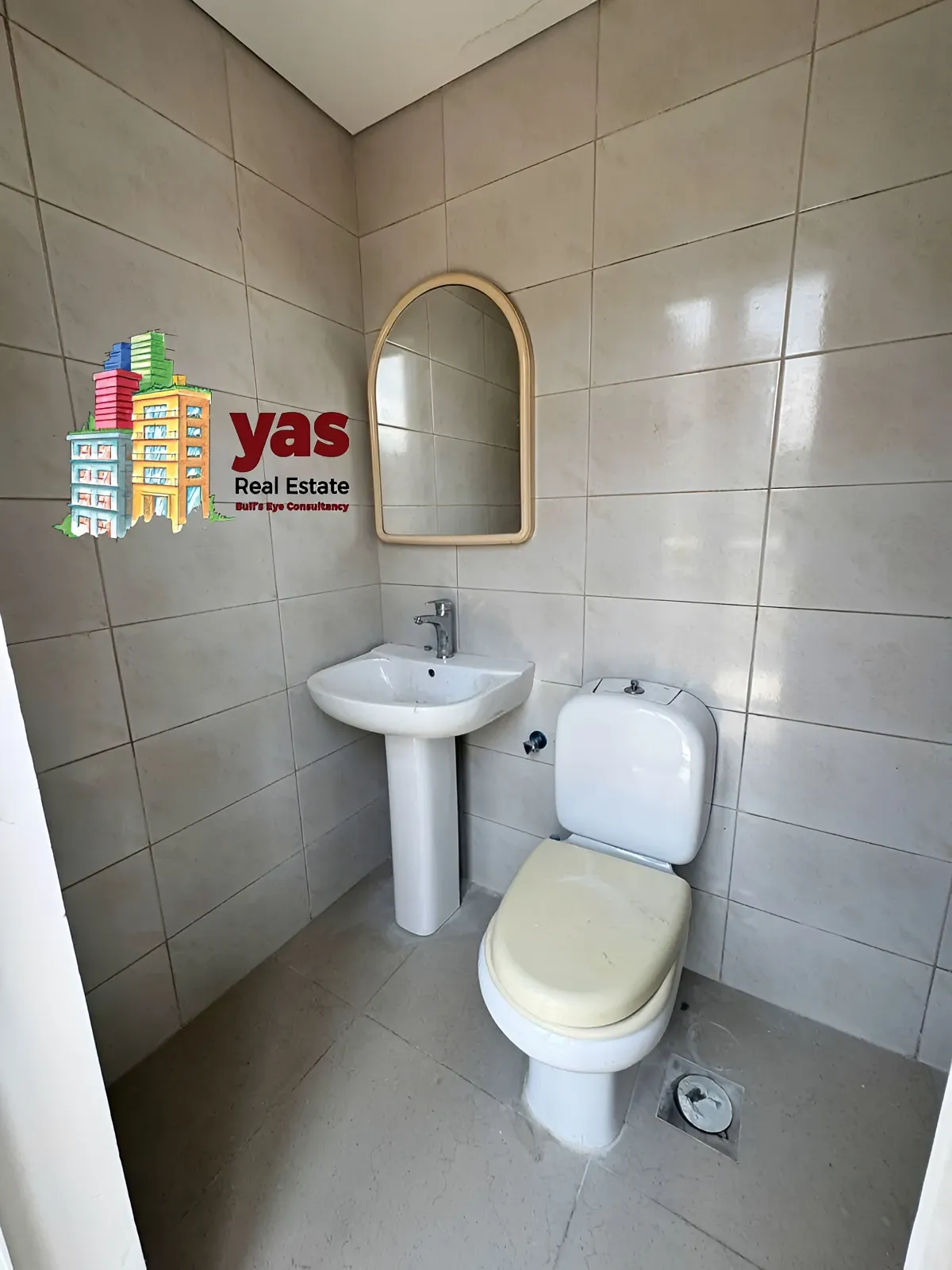
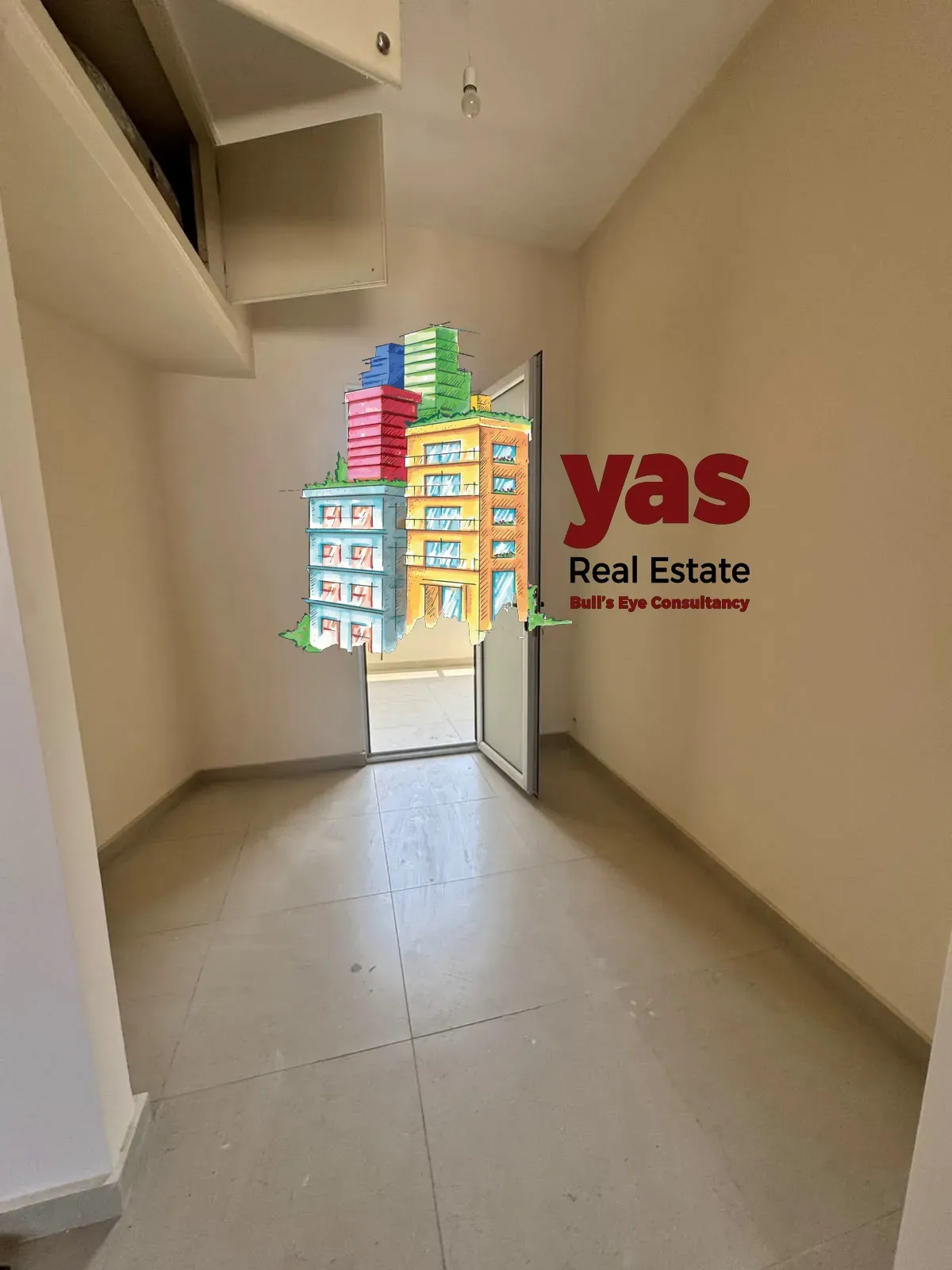
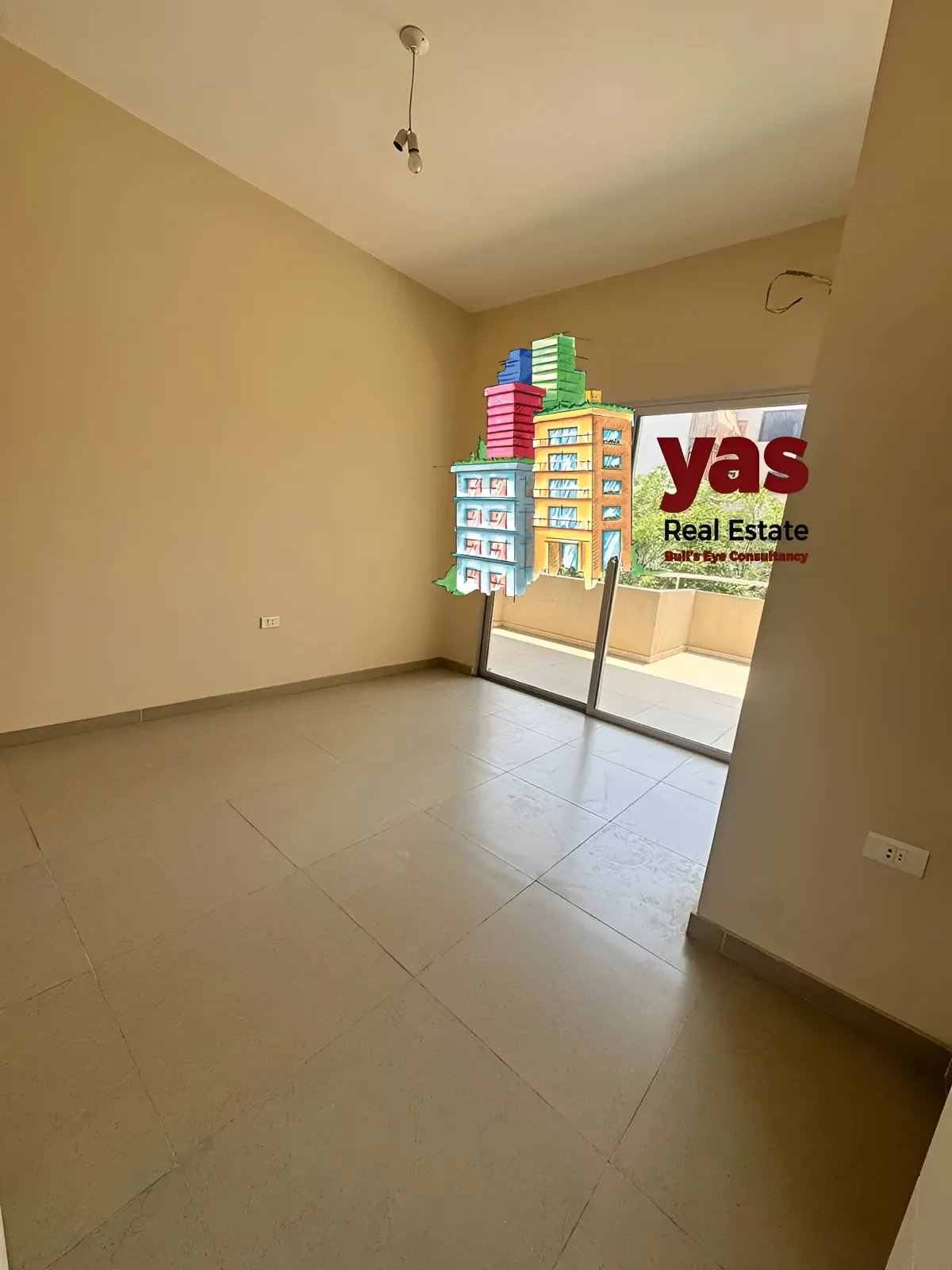
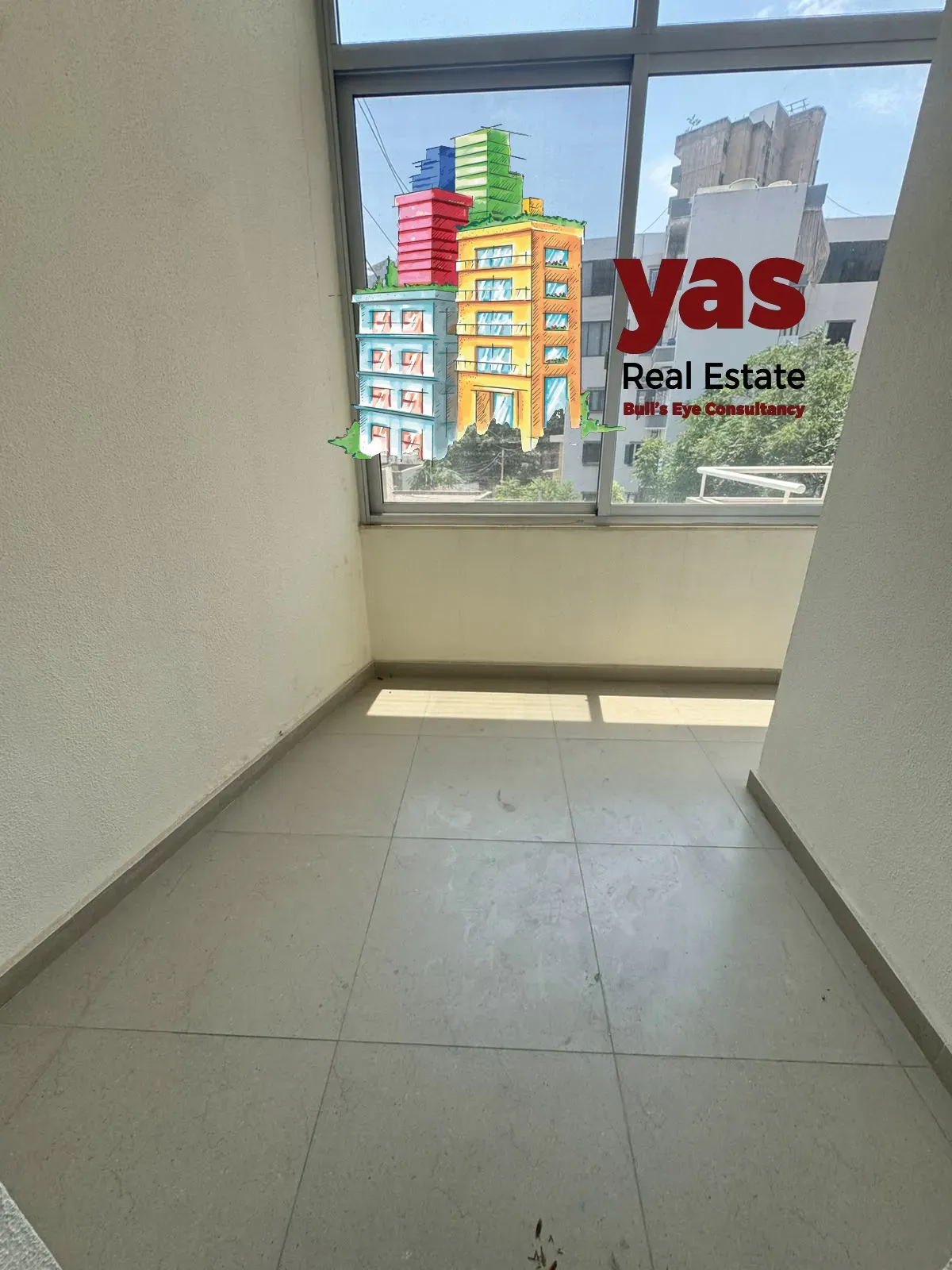
3 |
4 |
280 m²
YAS Real Estate
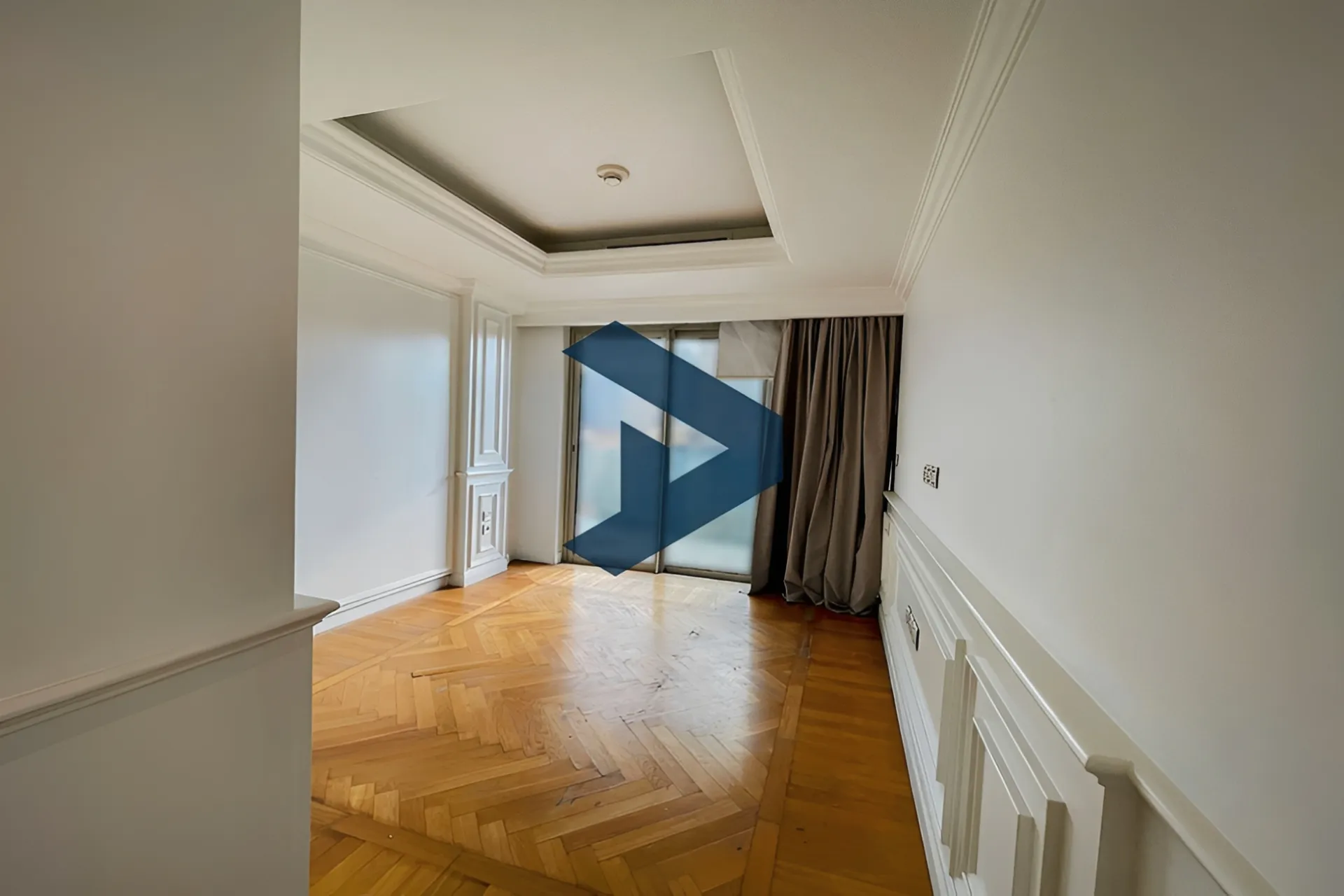
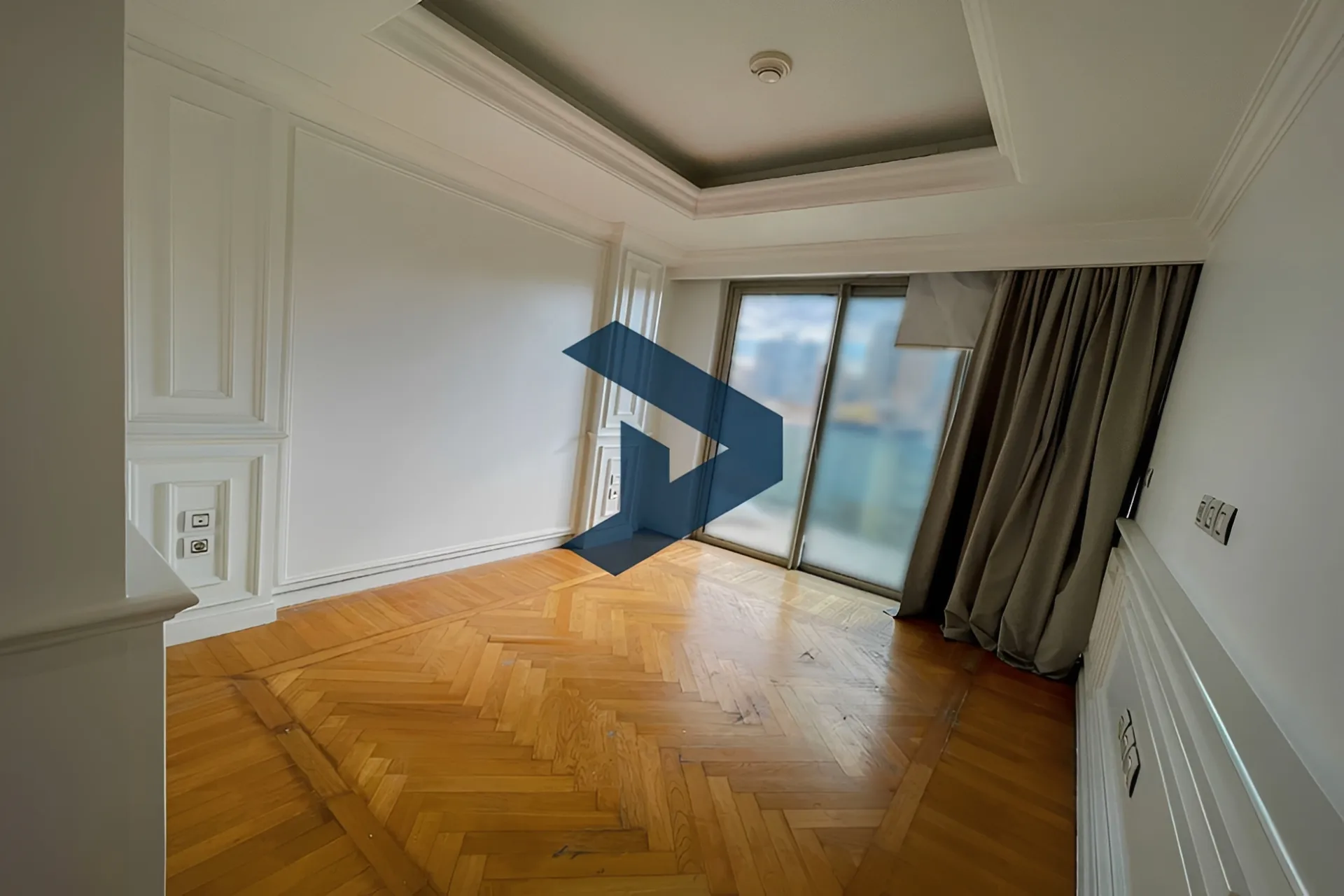
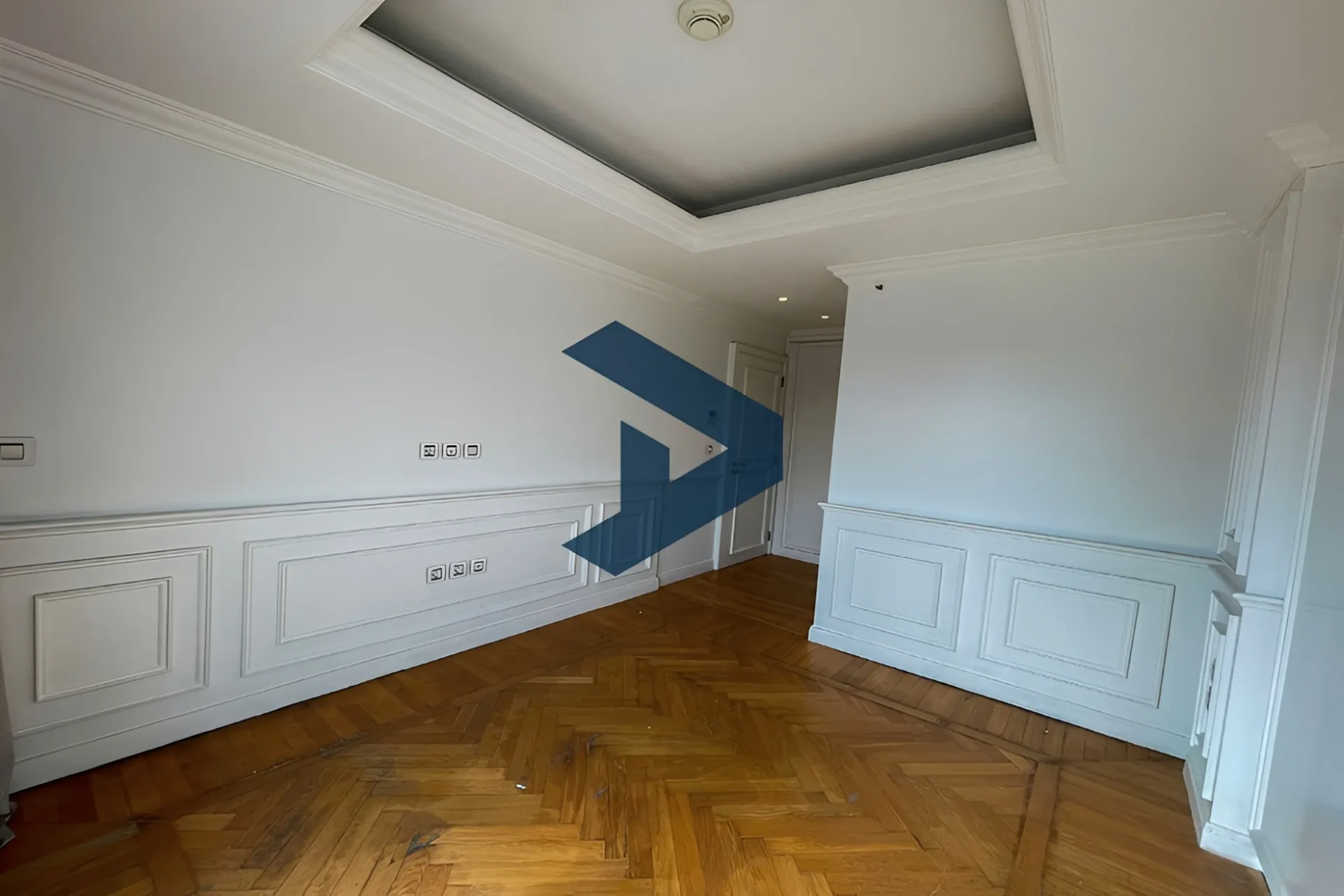
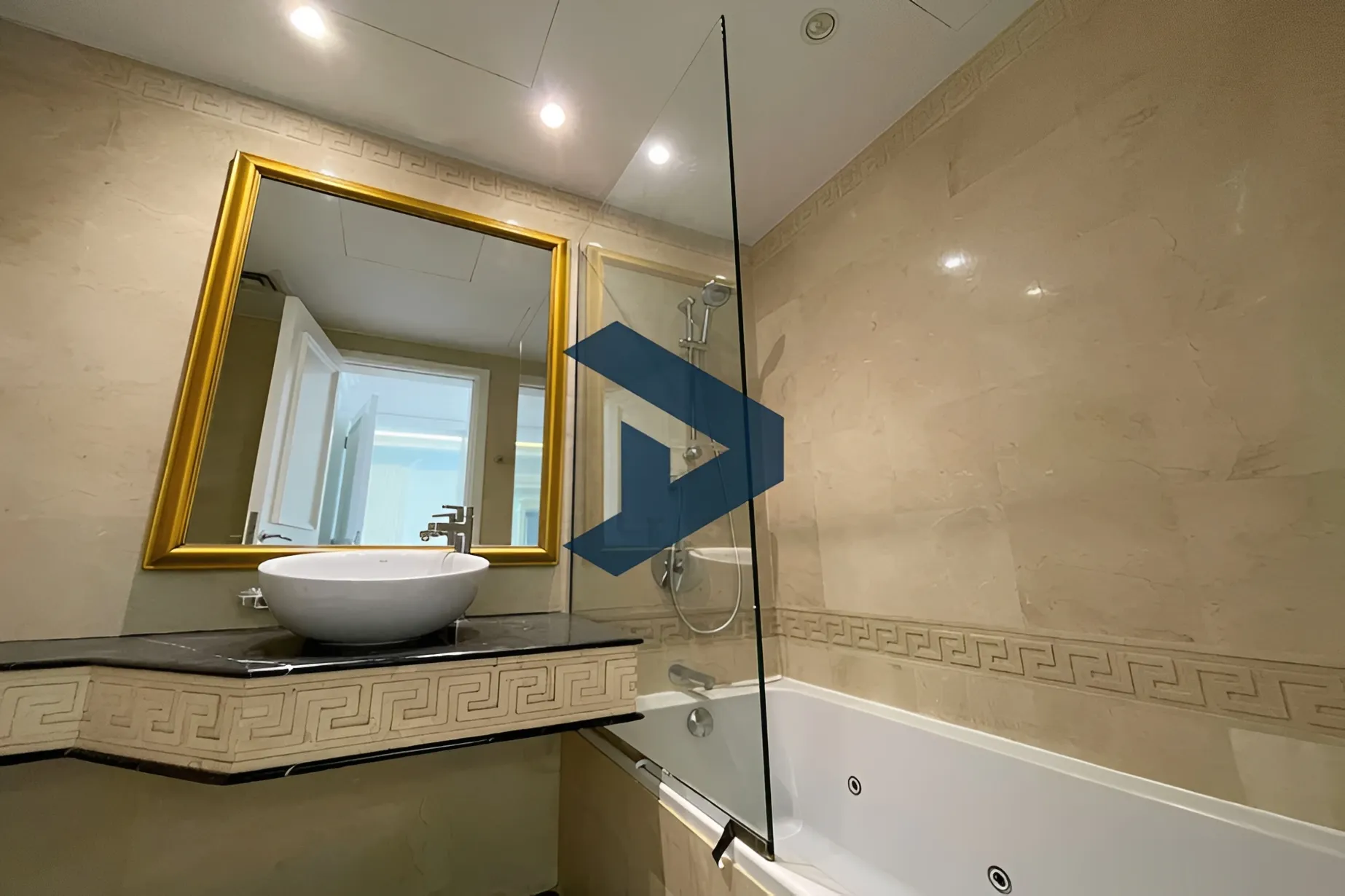
1 |
1 |
97 m²
D&A Properties
2 |
3 |
100 m²
S-Gestion
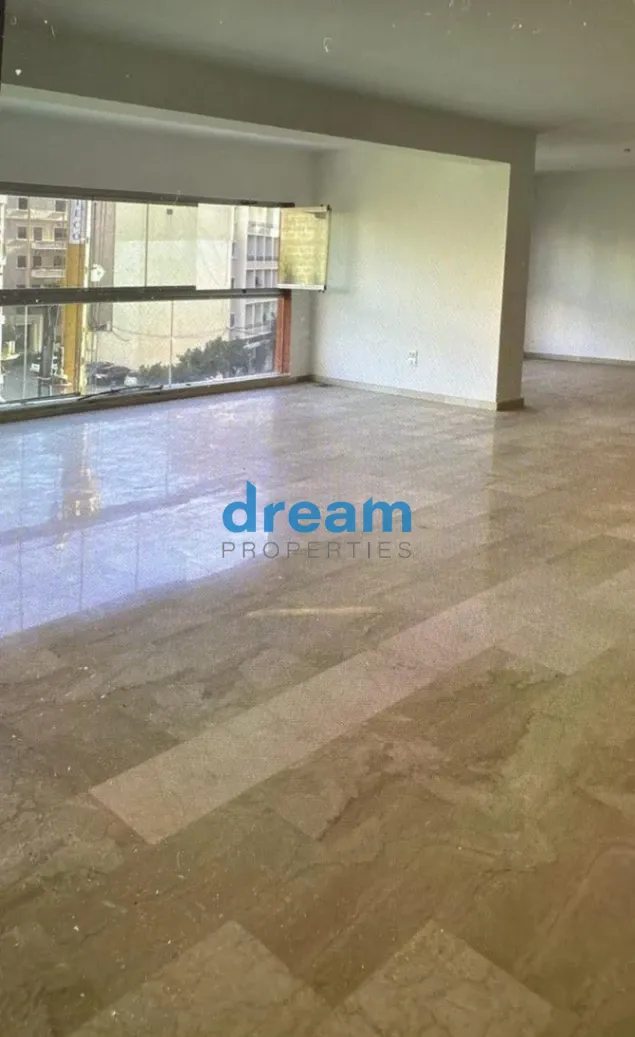
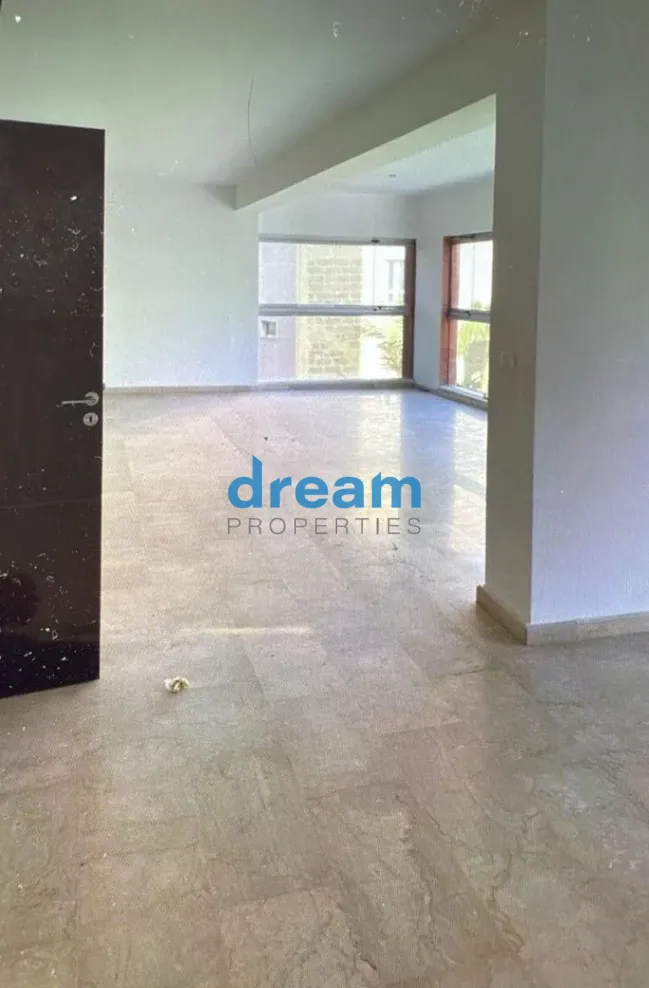
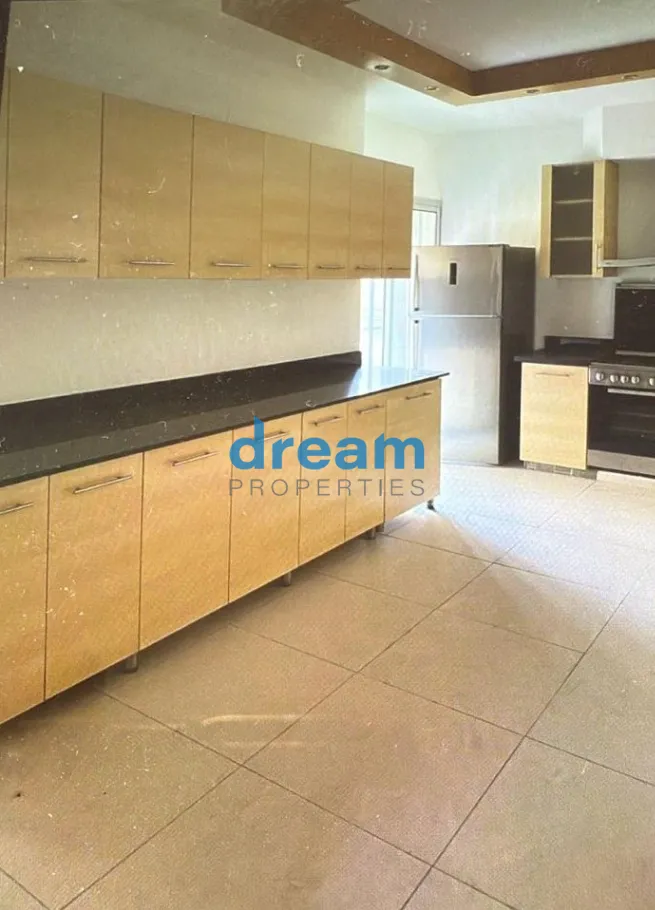
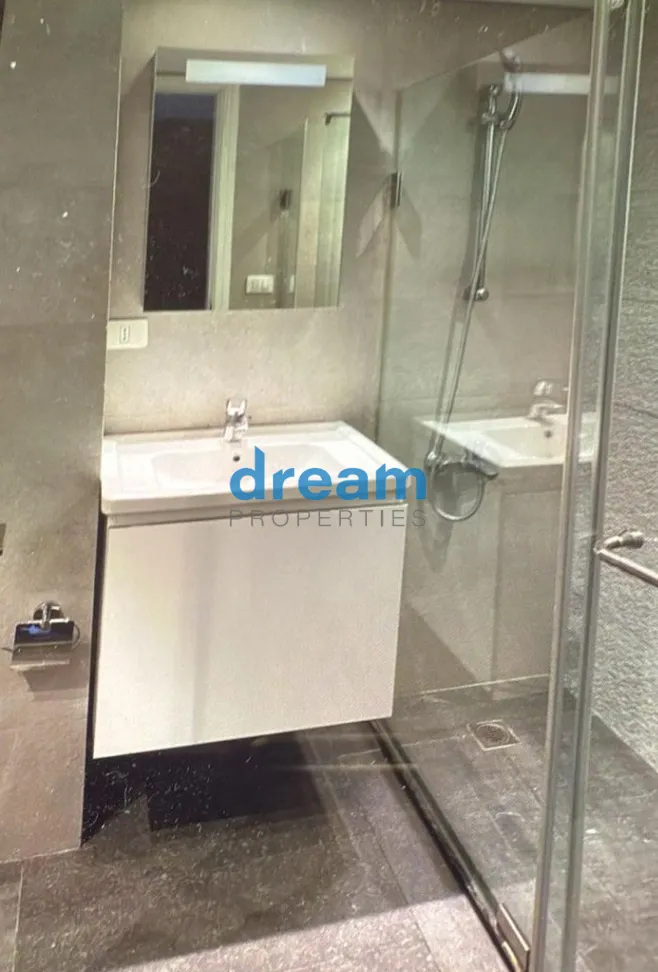
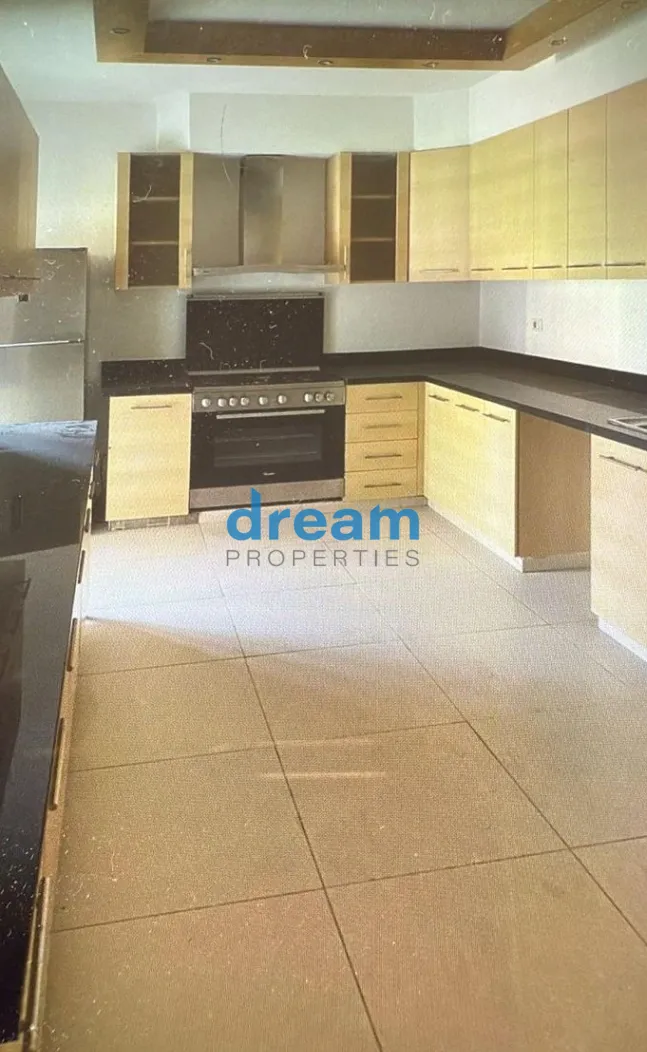
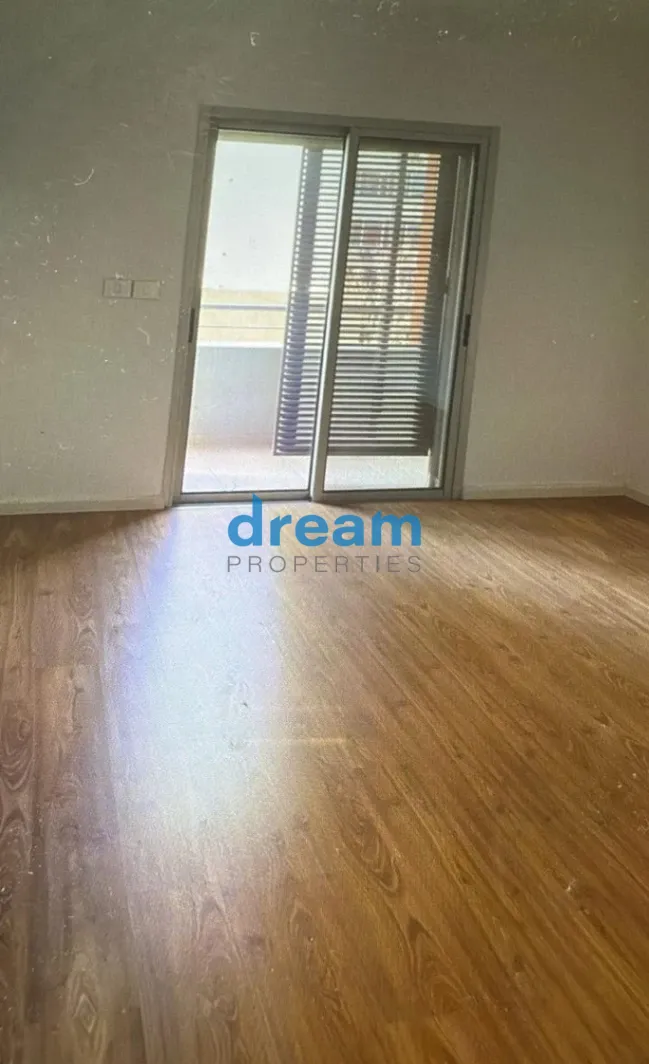
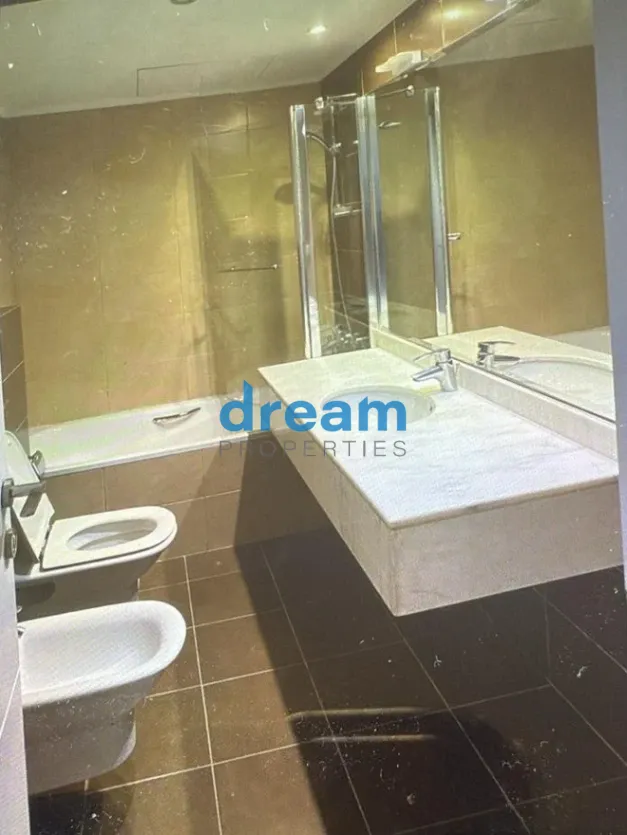
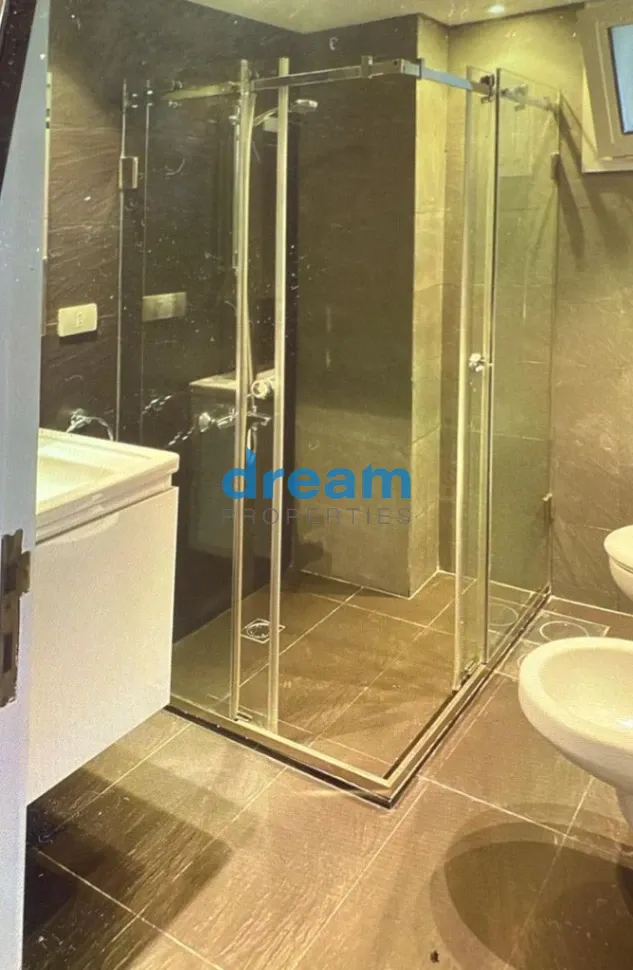
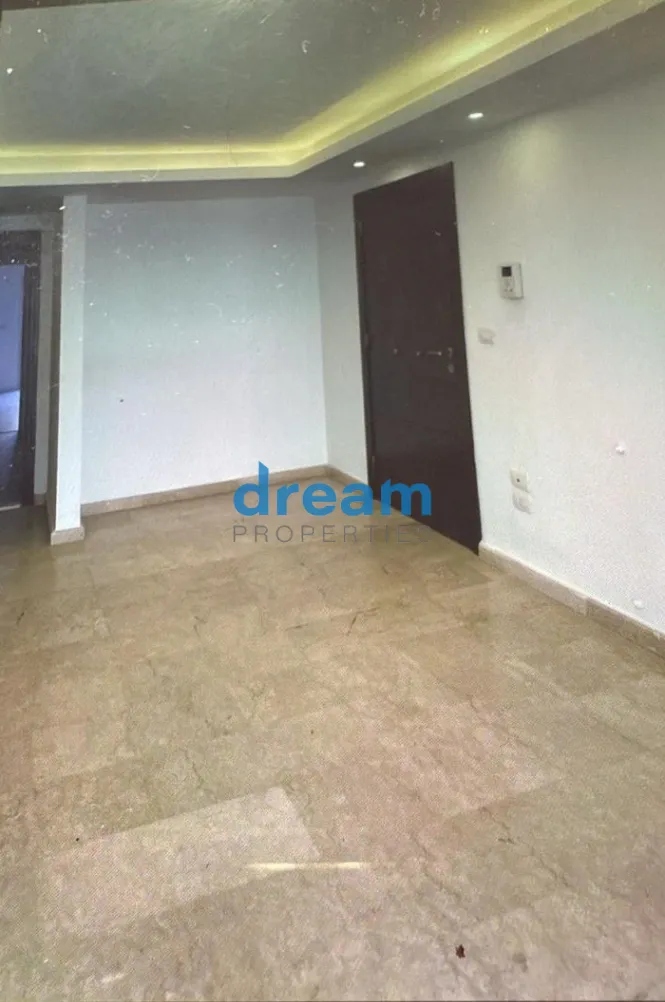
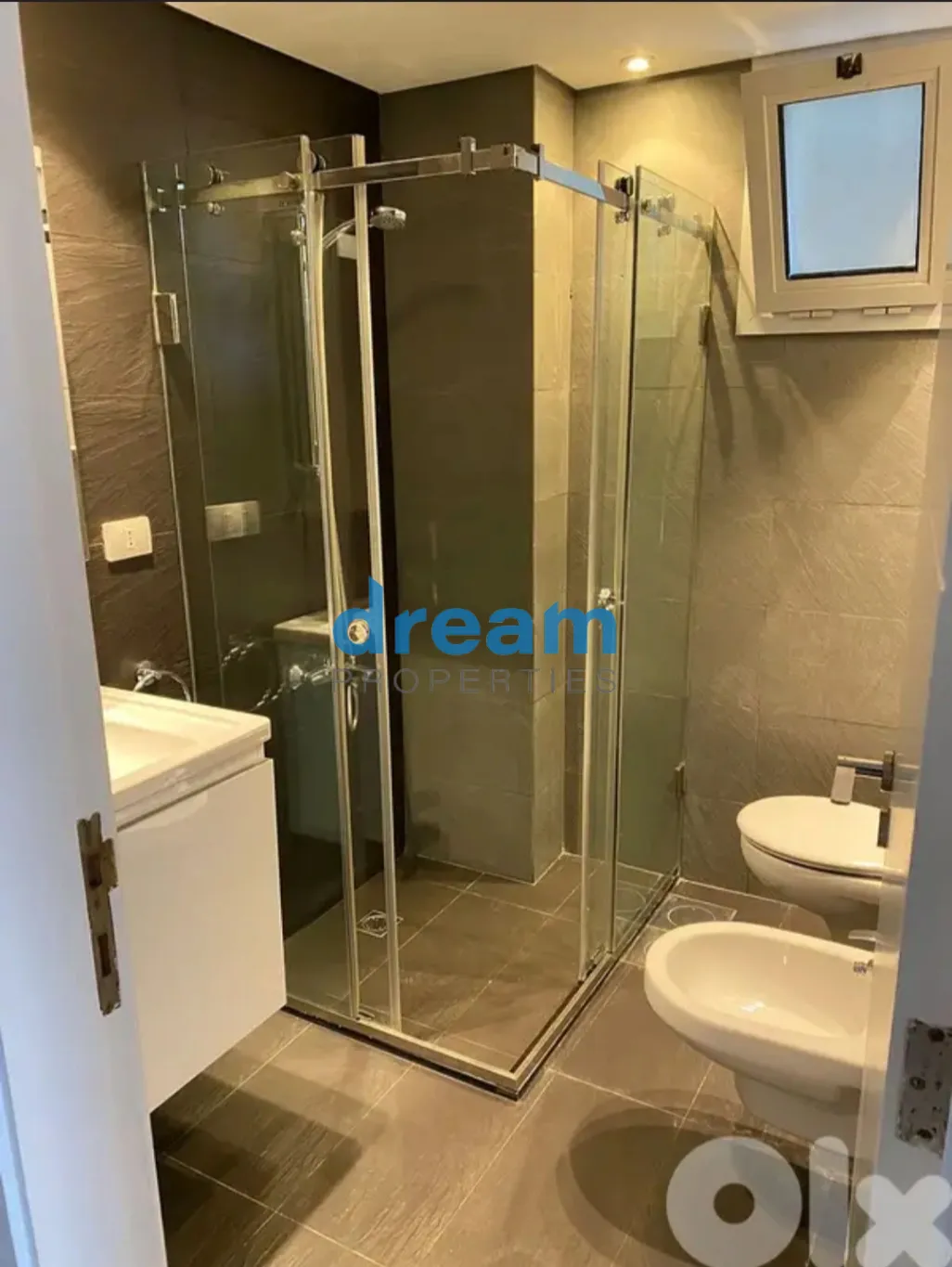
4 |
5 |
300 m²
Dream Properties
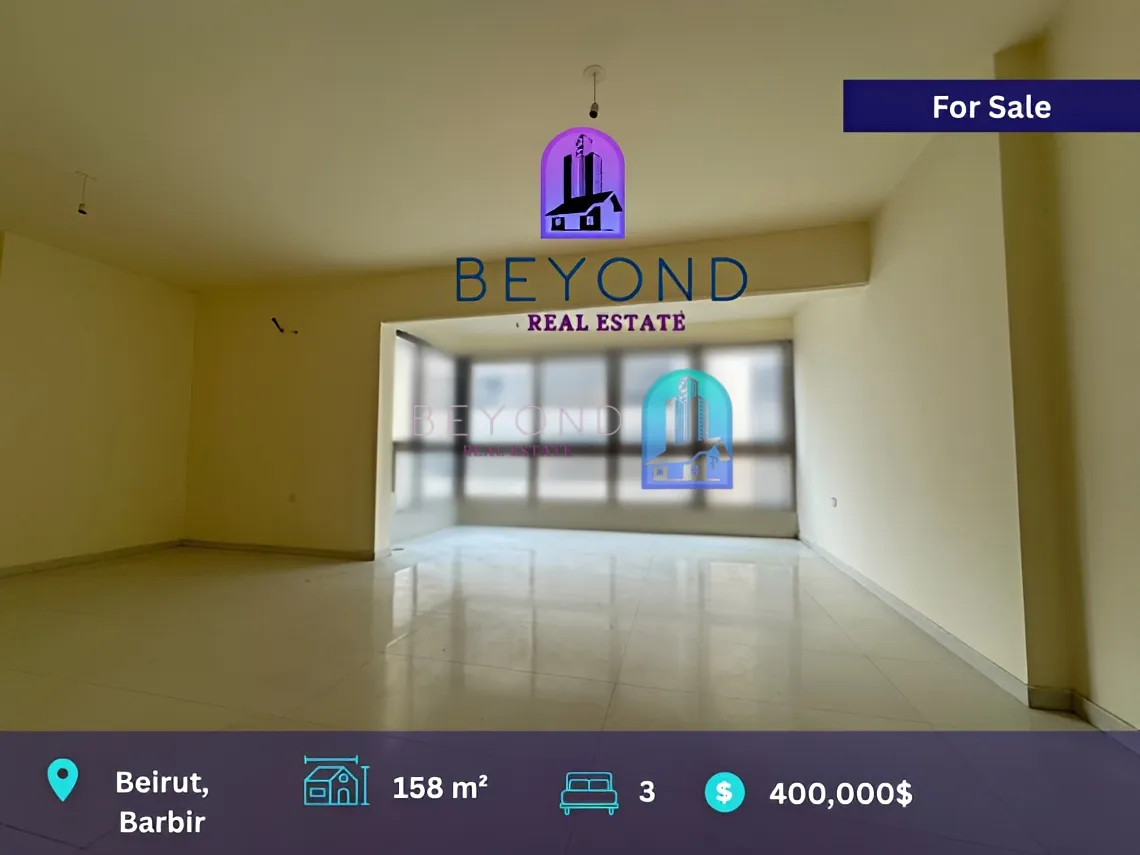
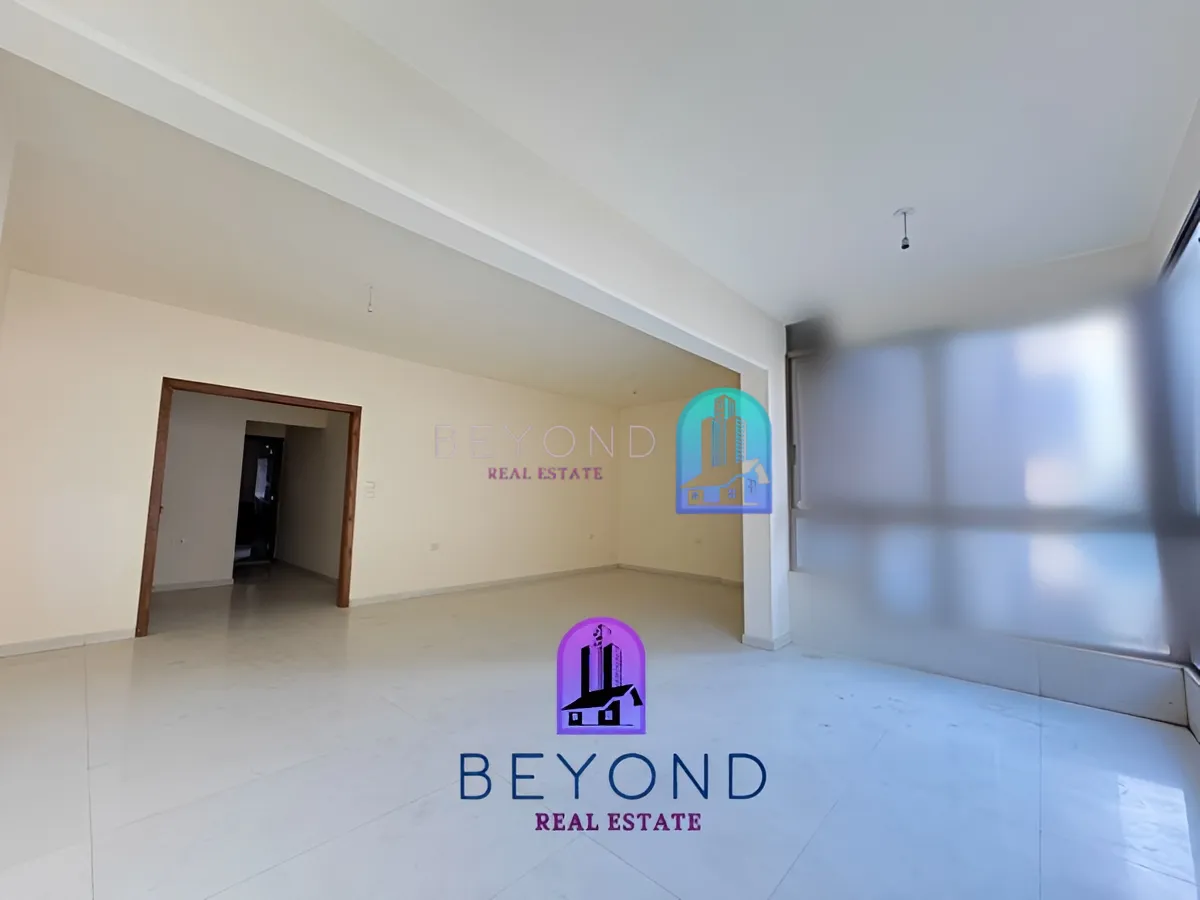
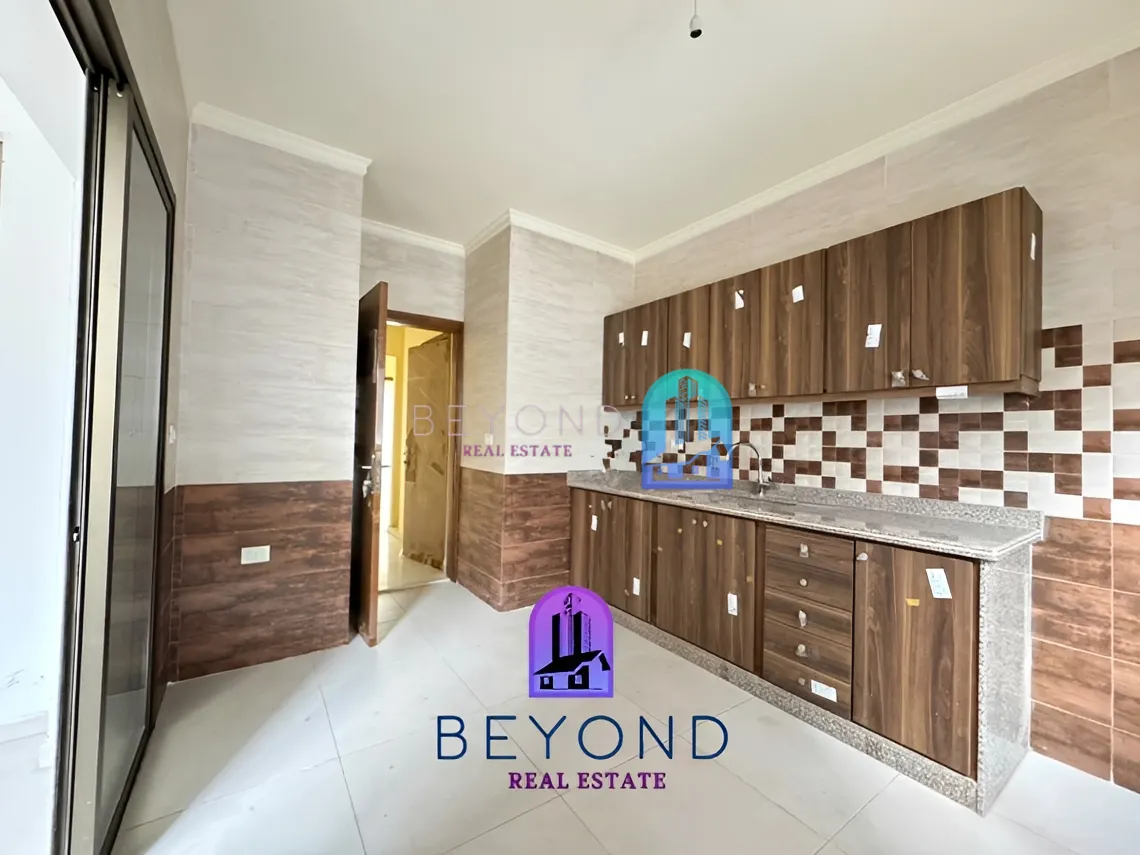
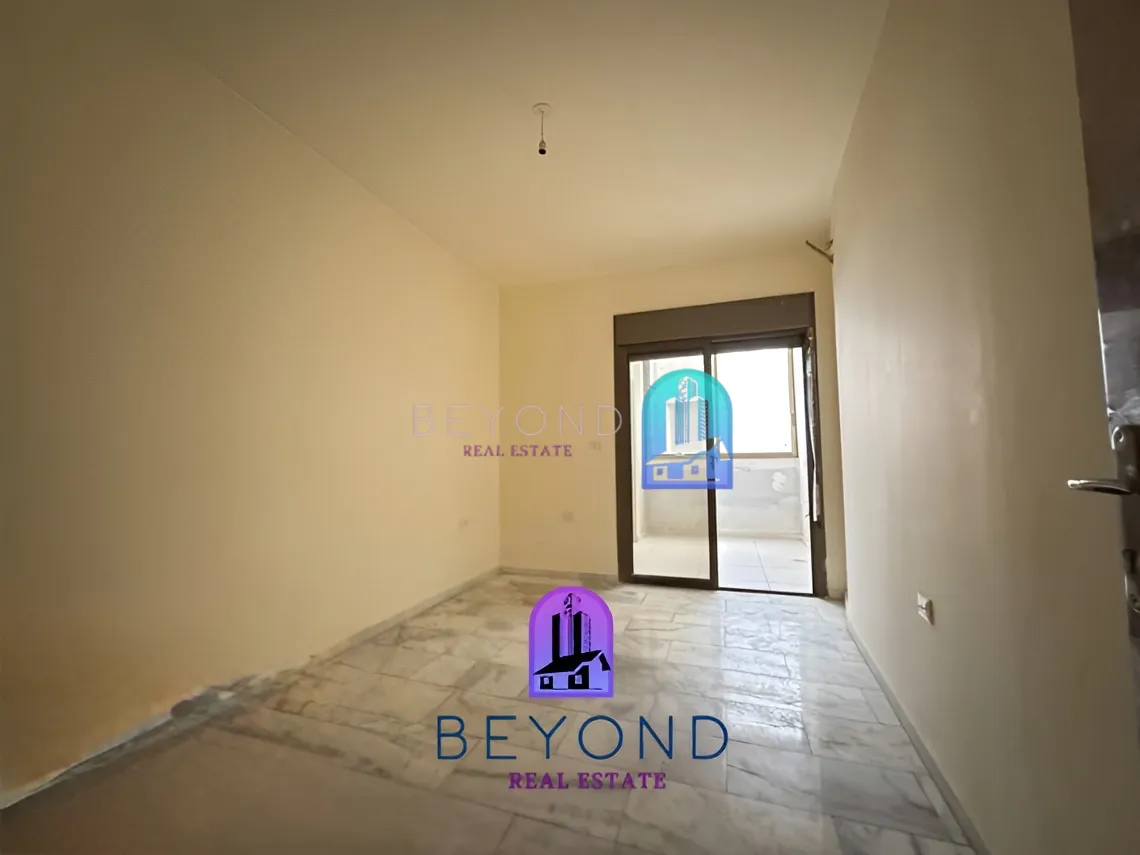
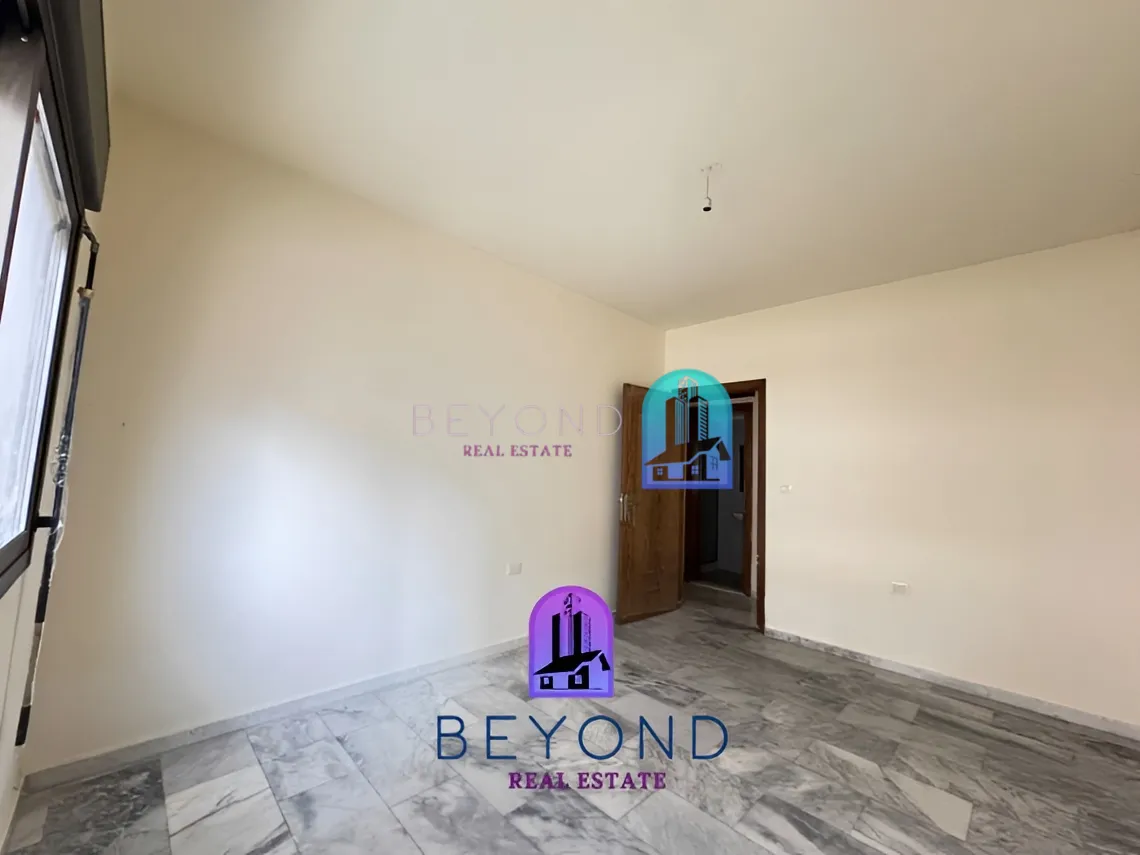
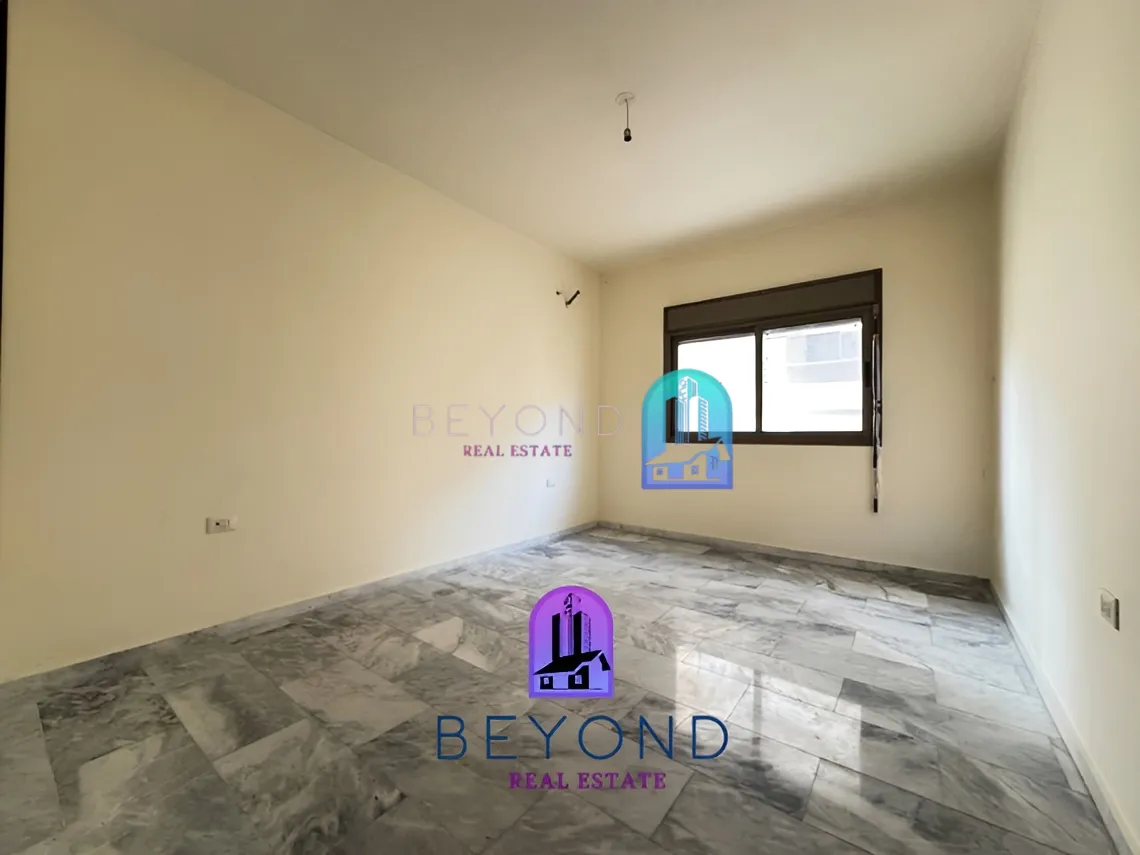
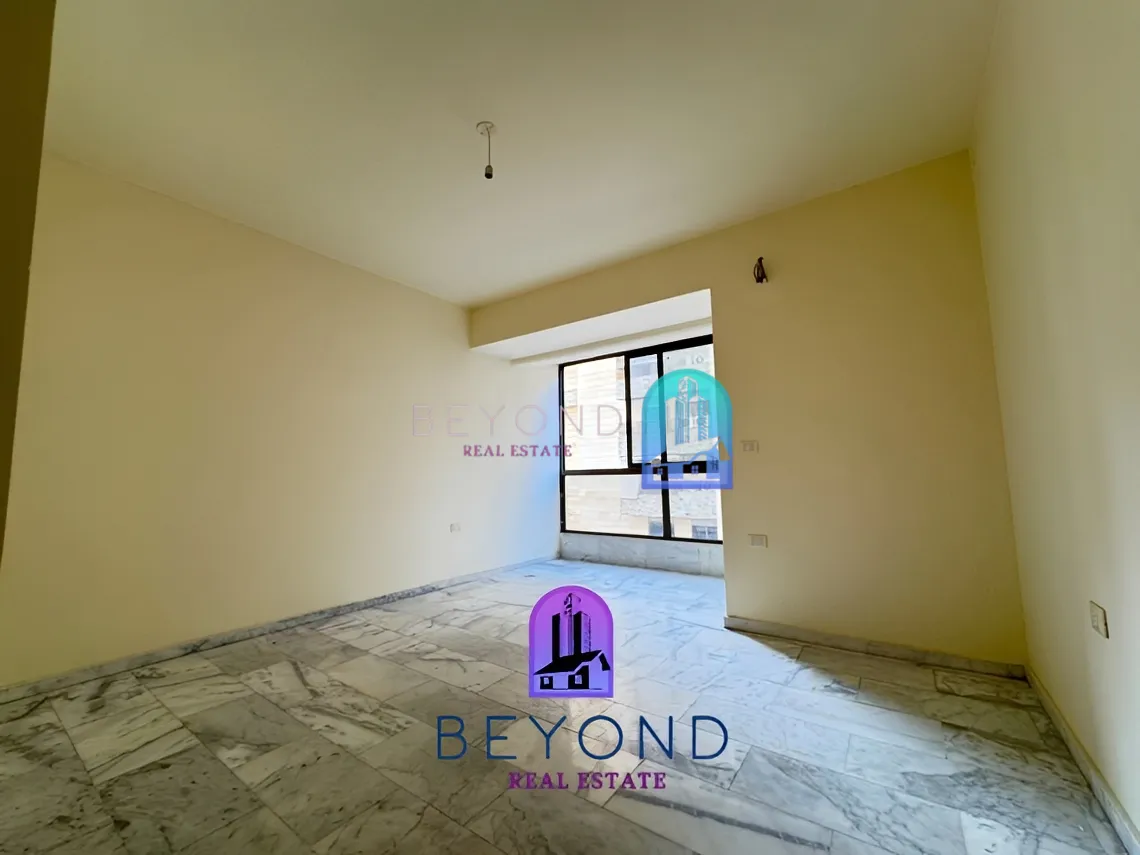
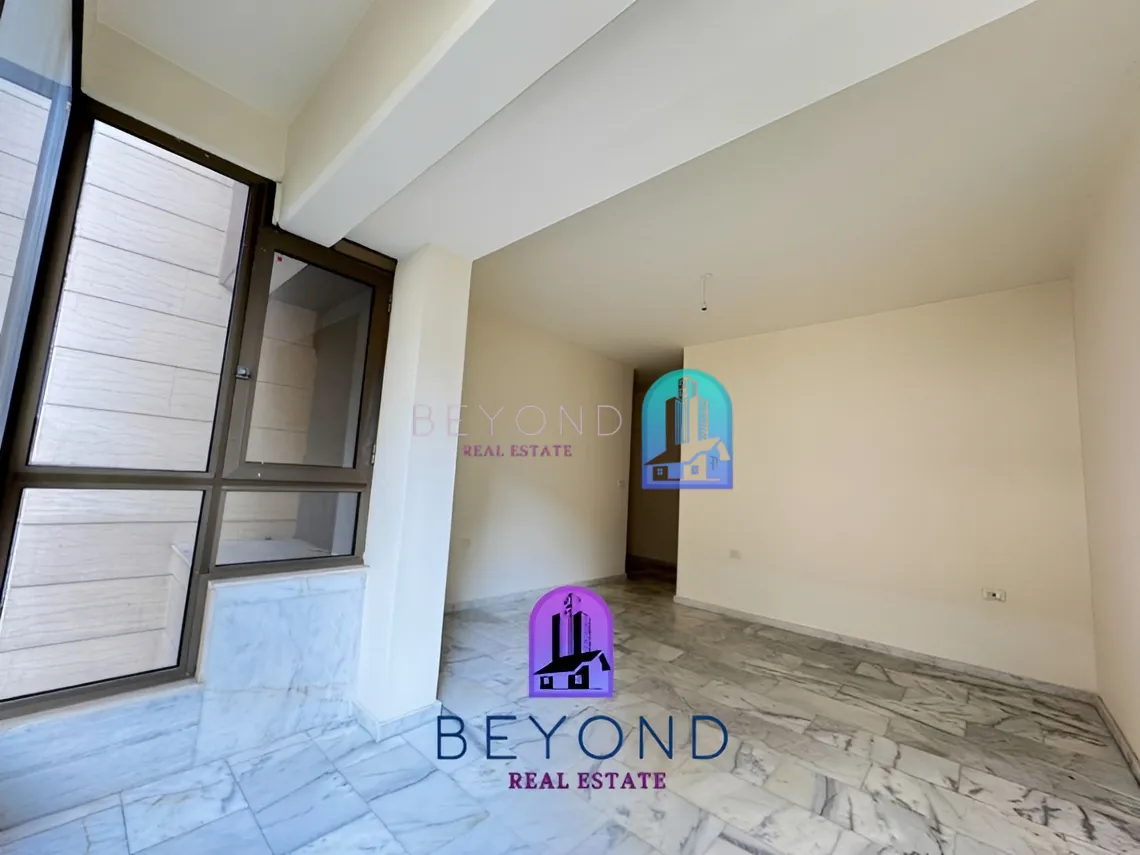
3 |
3 |
158 m²
Beyond Real Estate
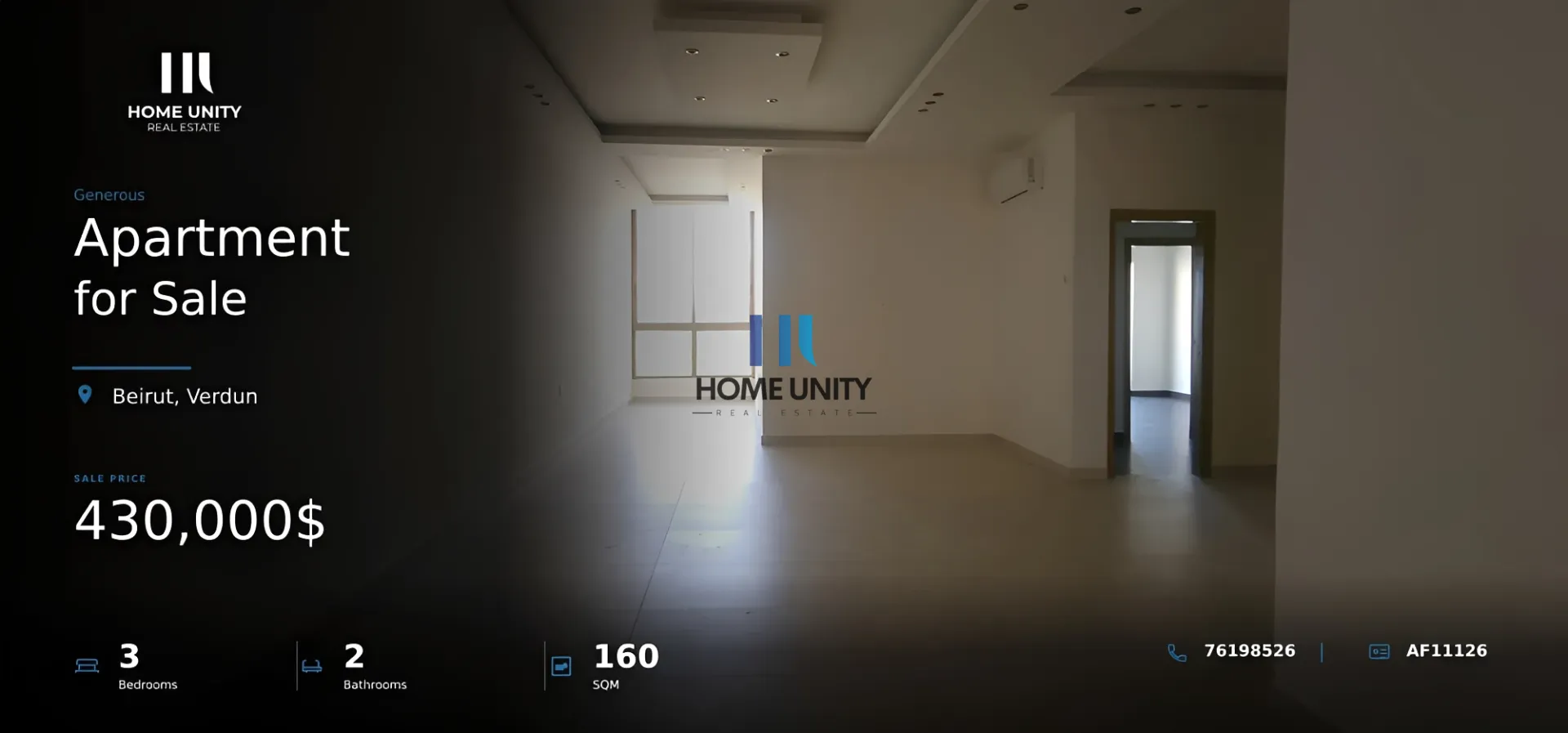
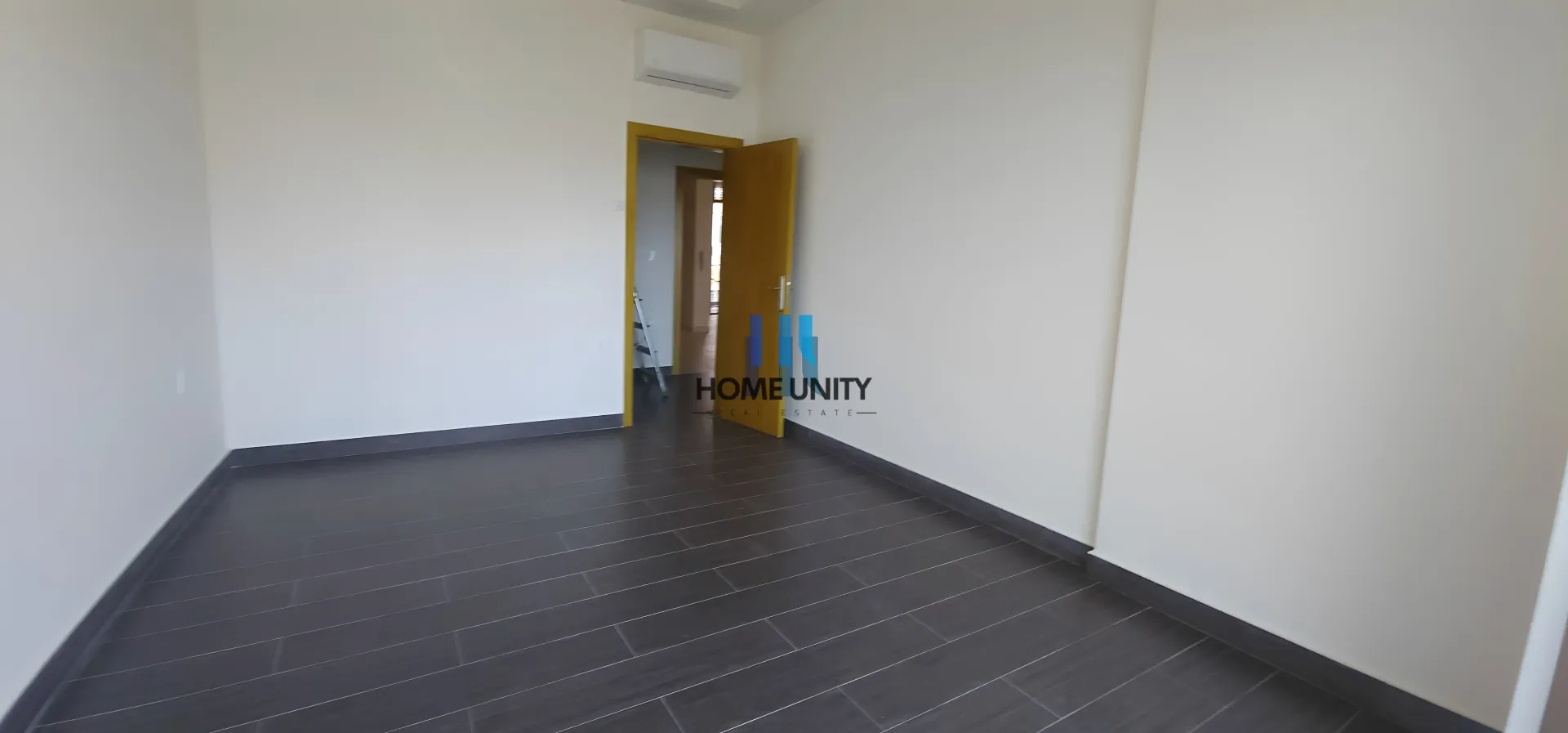
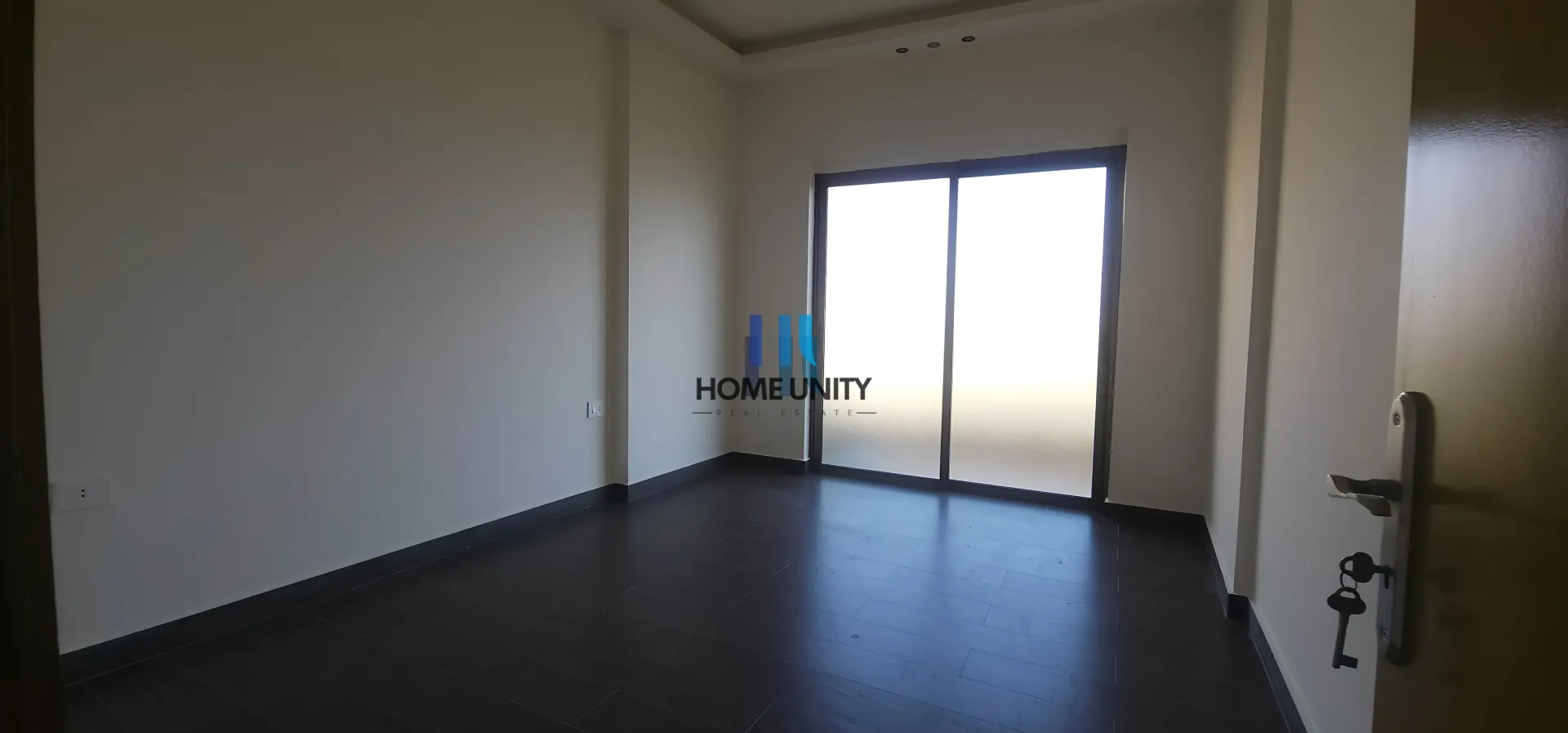
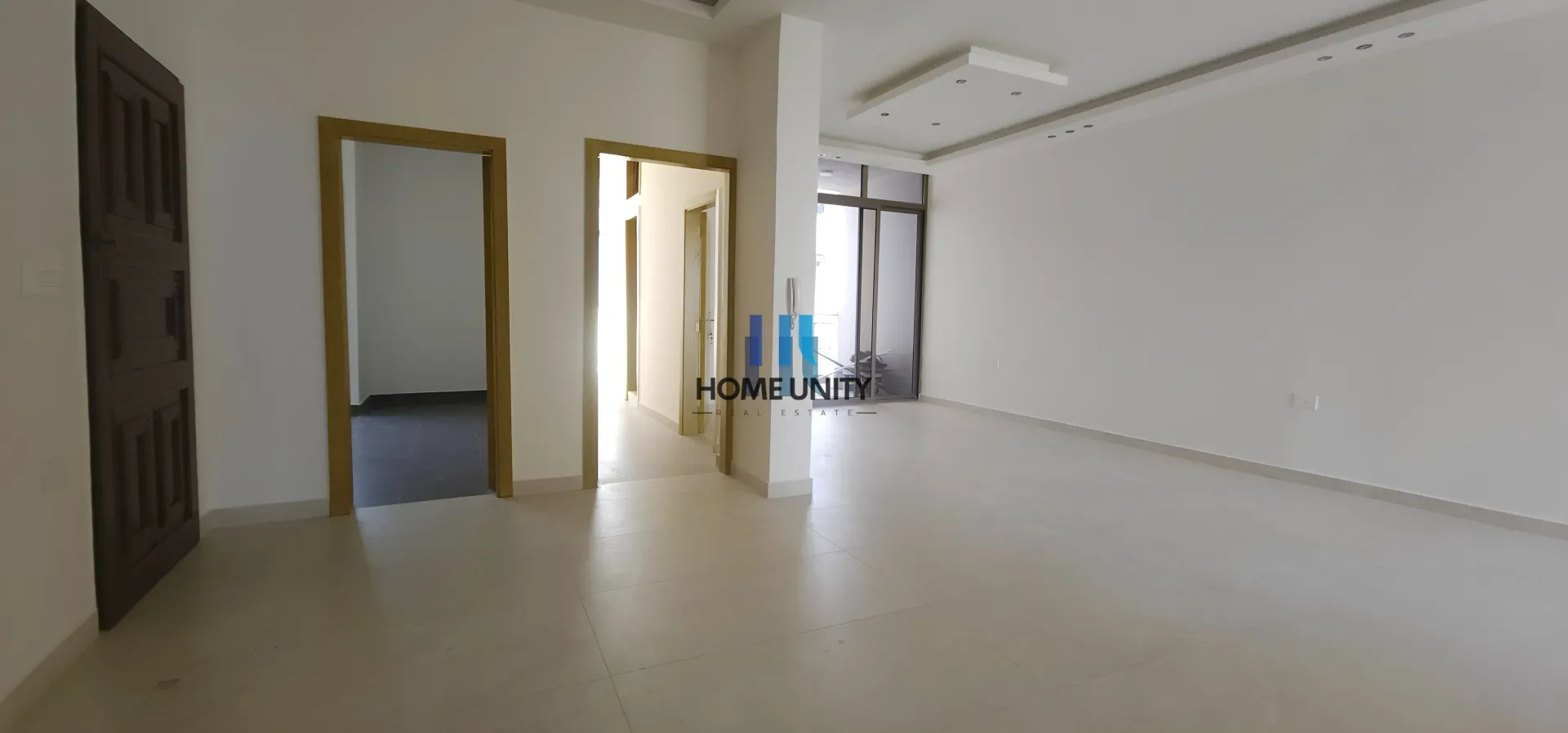
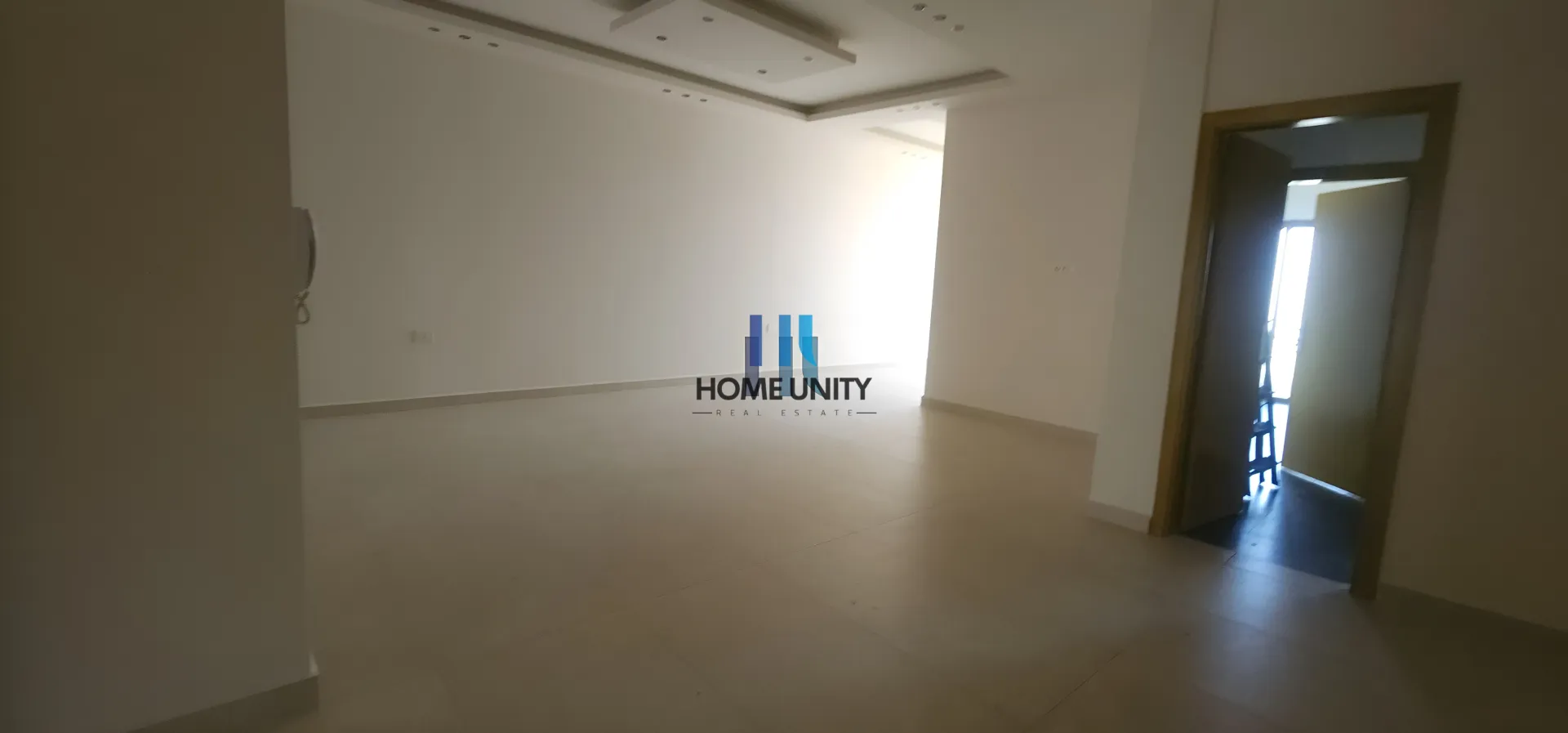
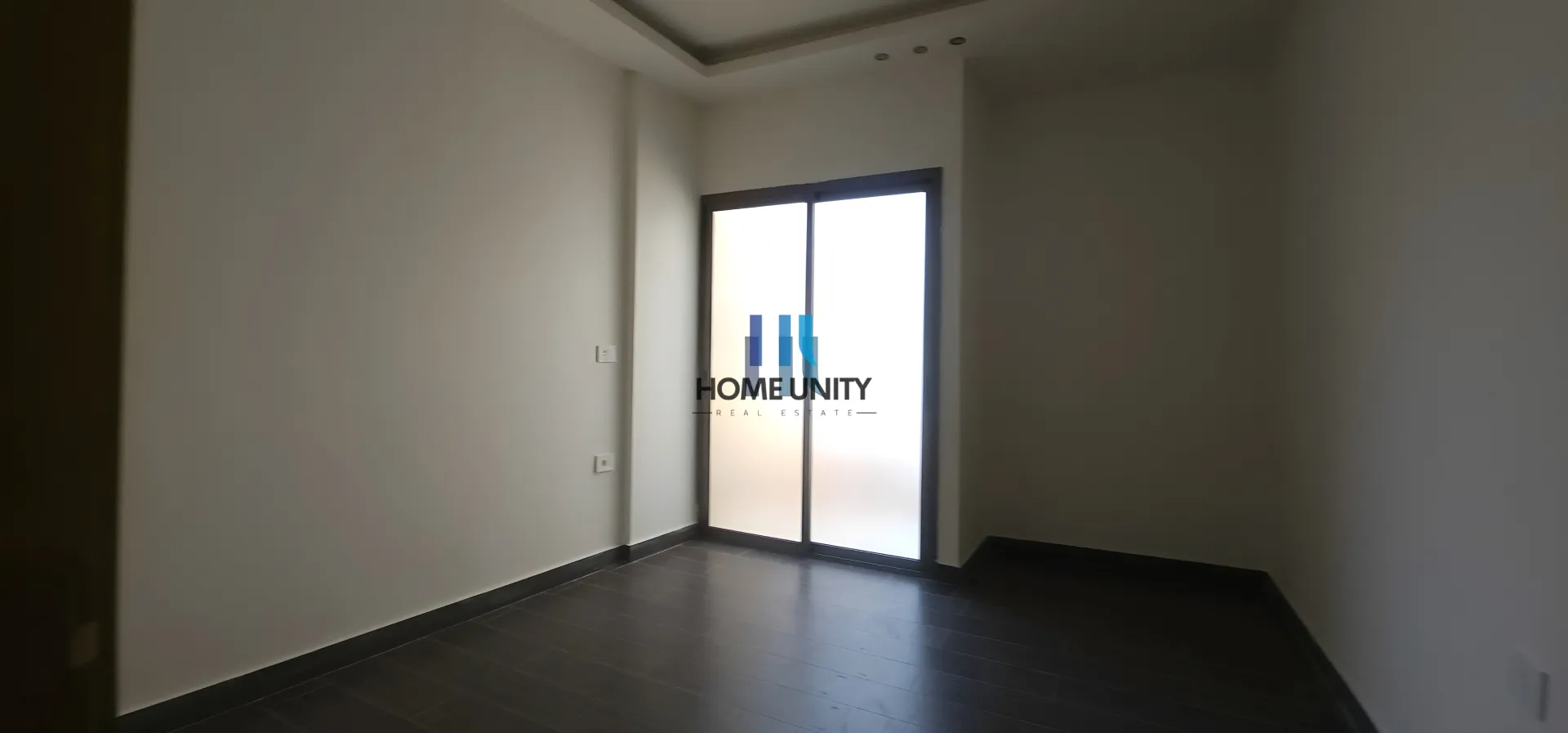
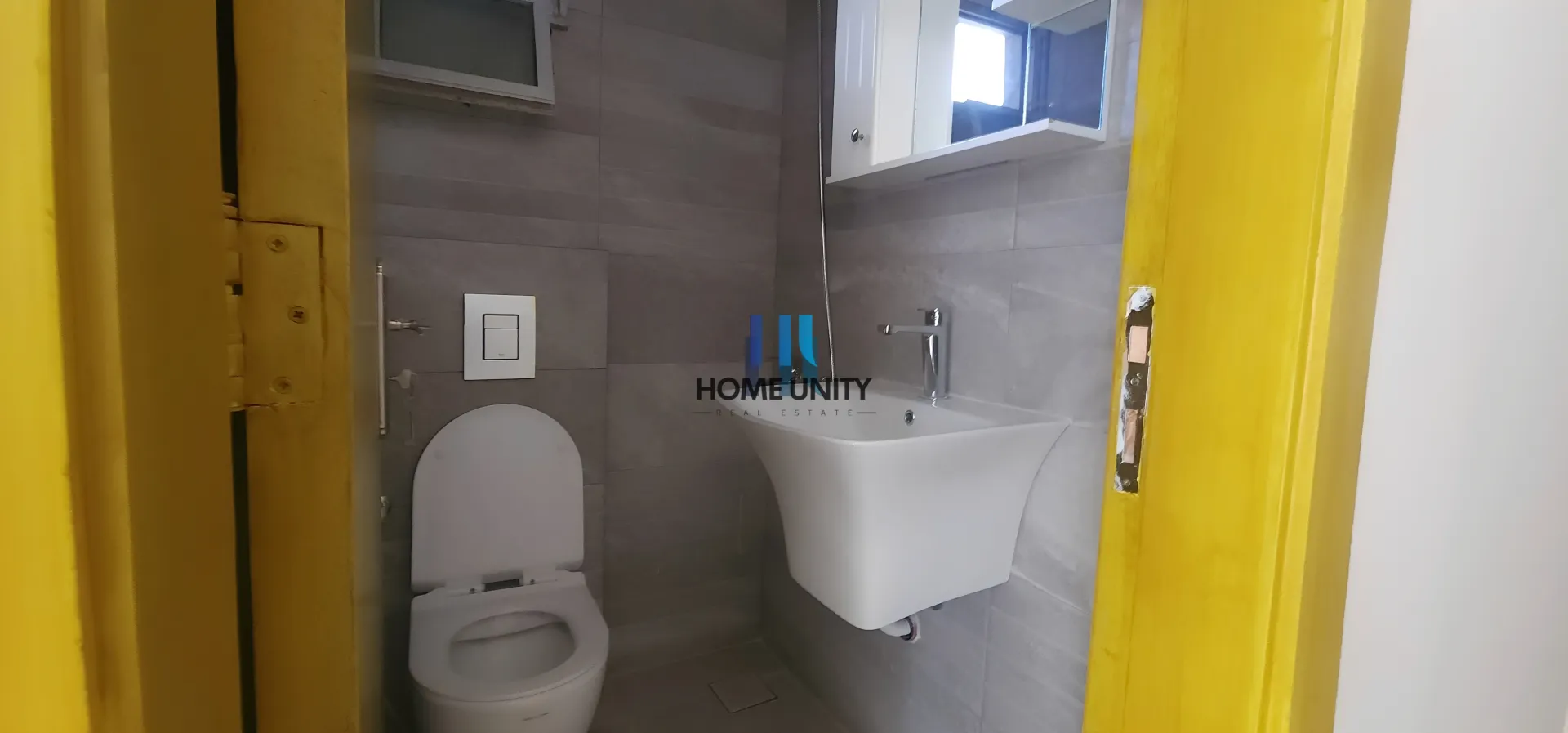
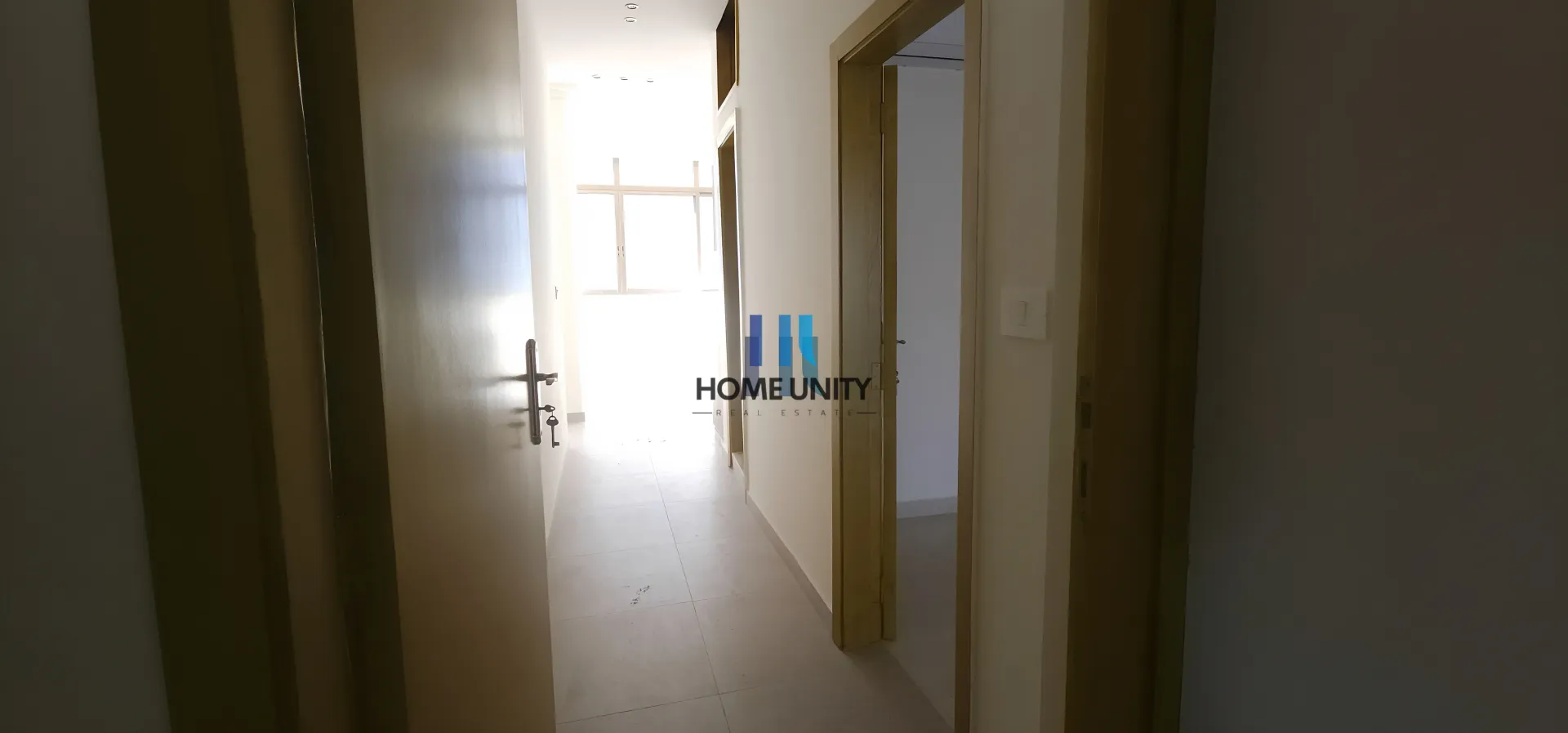
3 |
2 |
160 m²
Home Unity
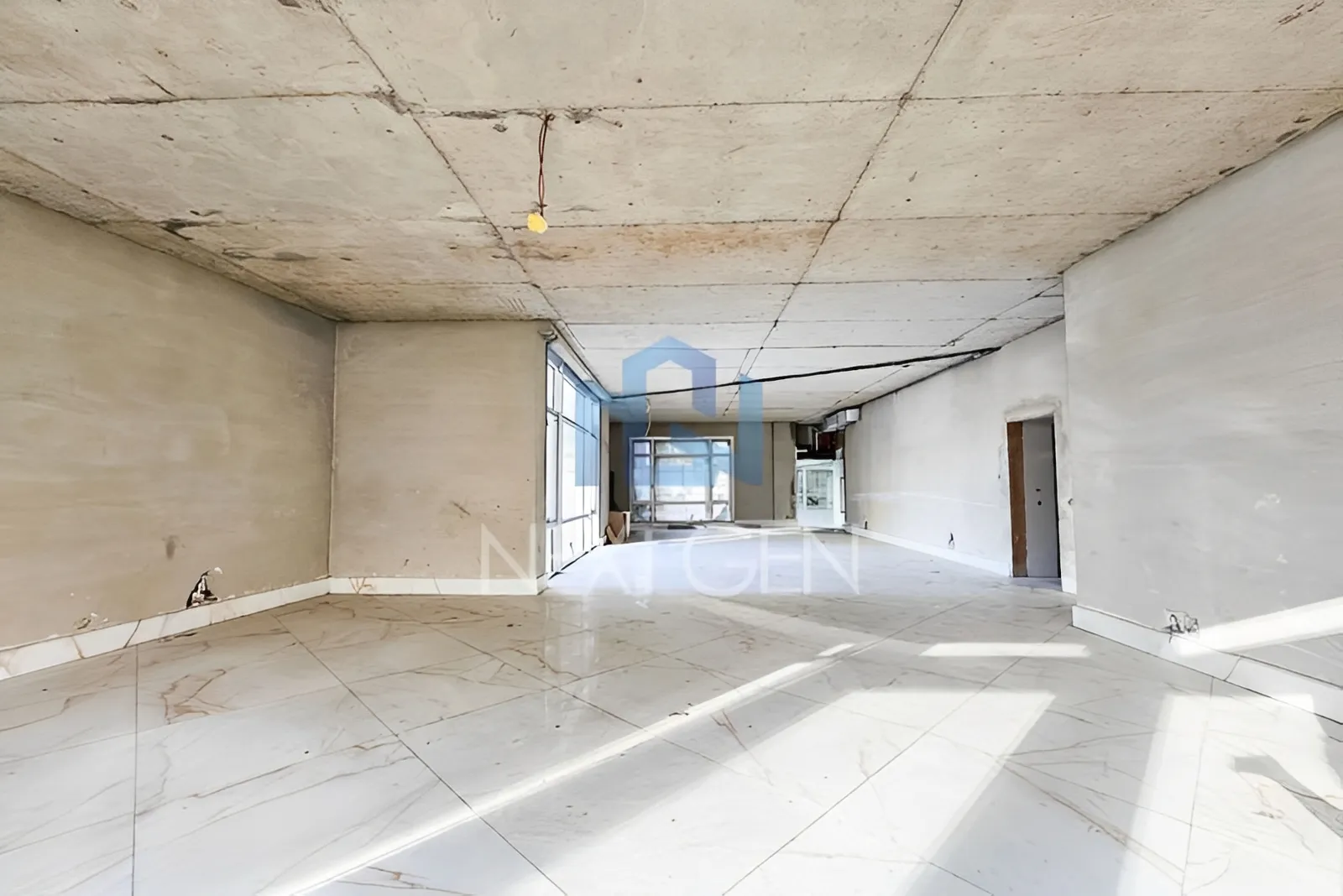
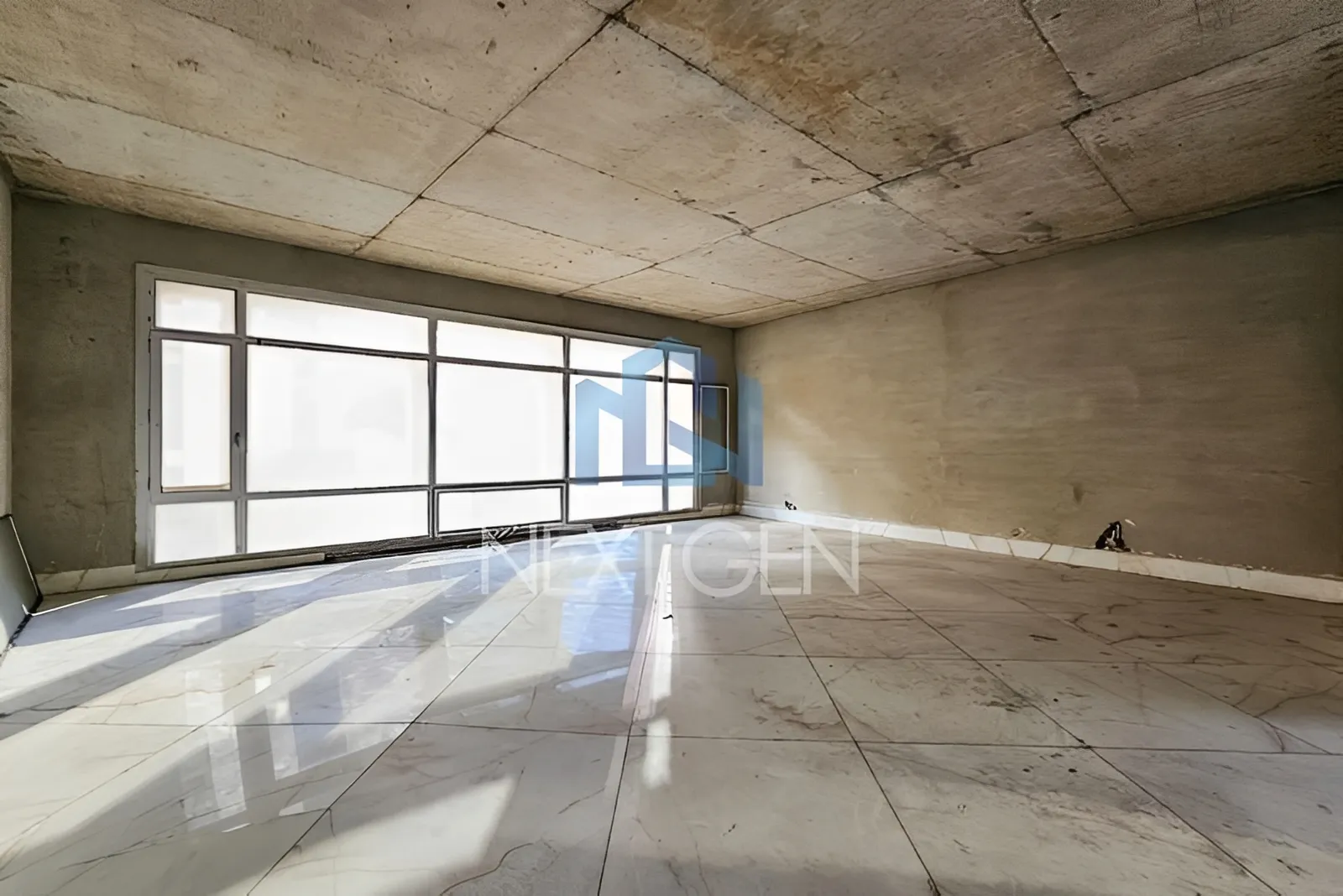
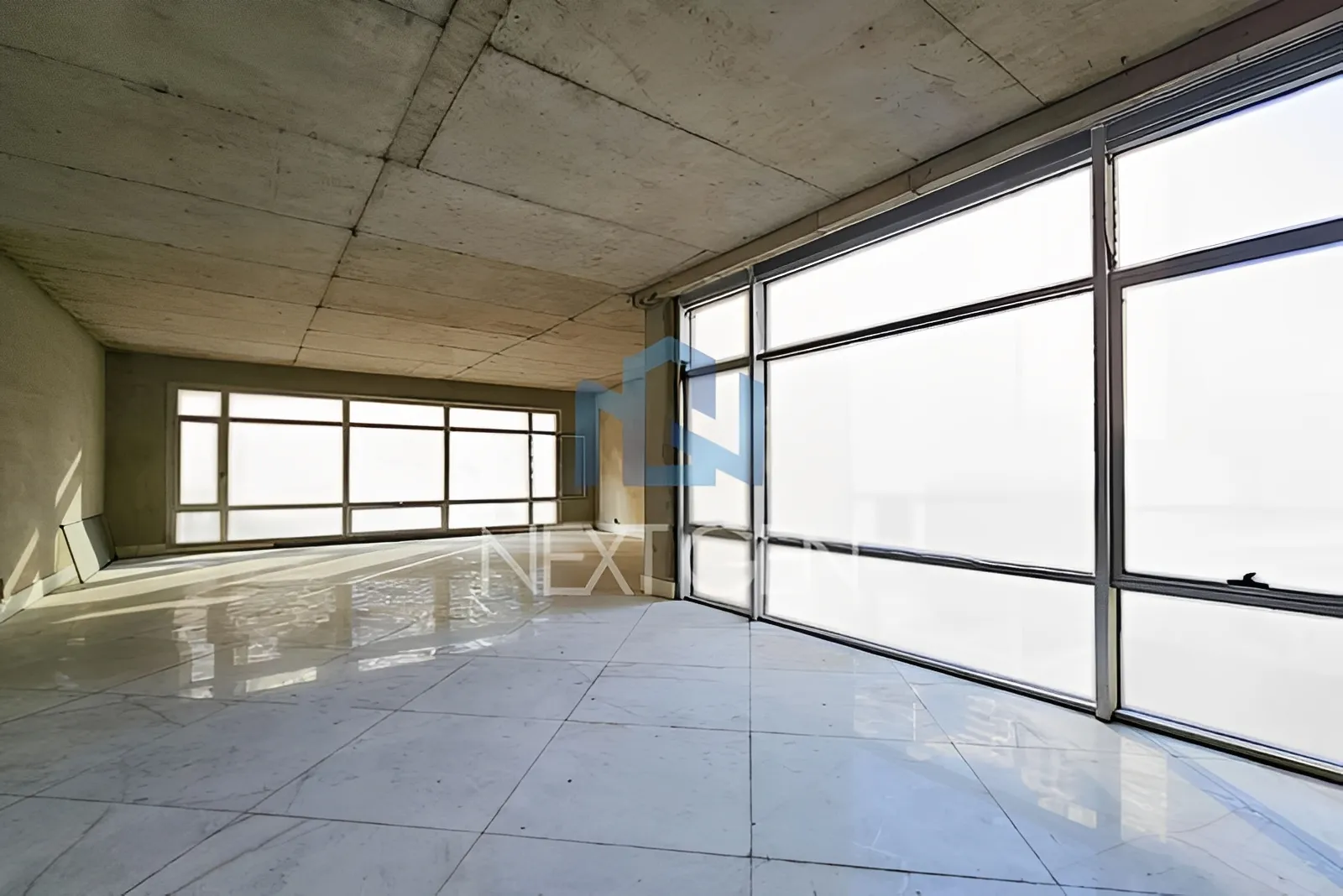
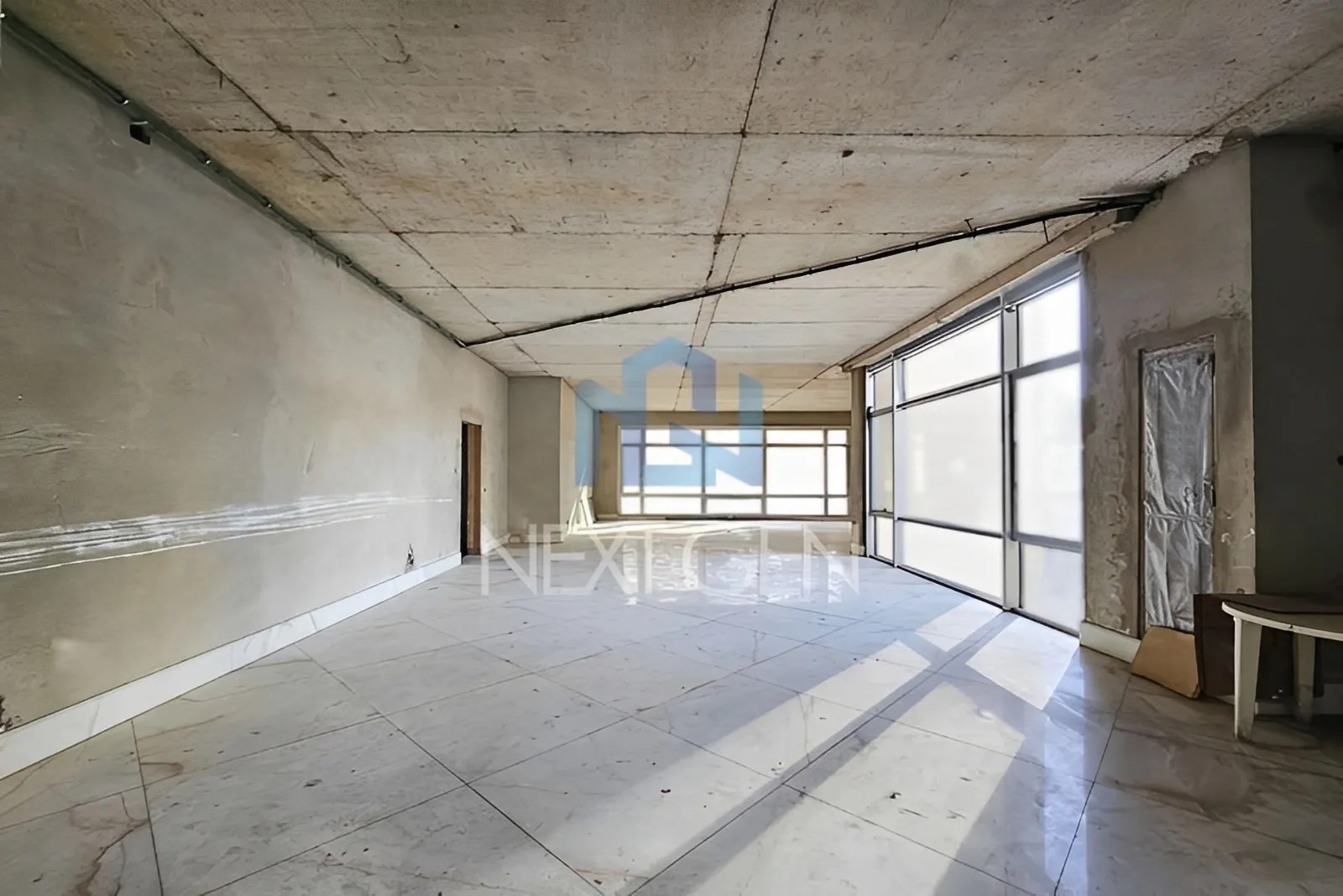
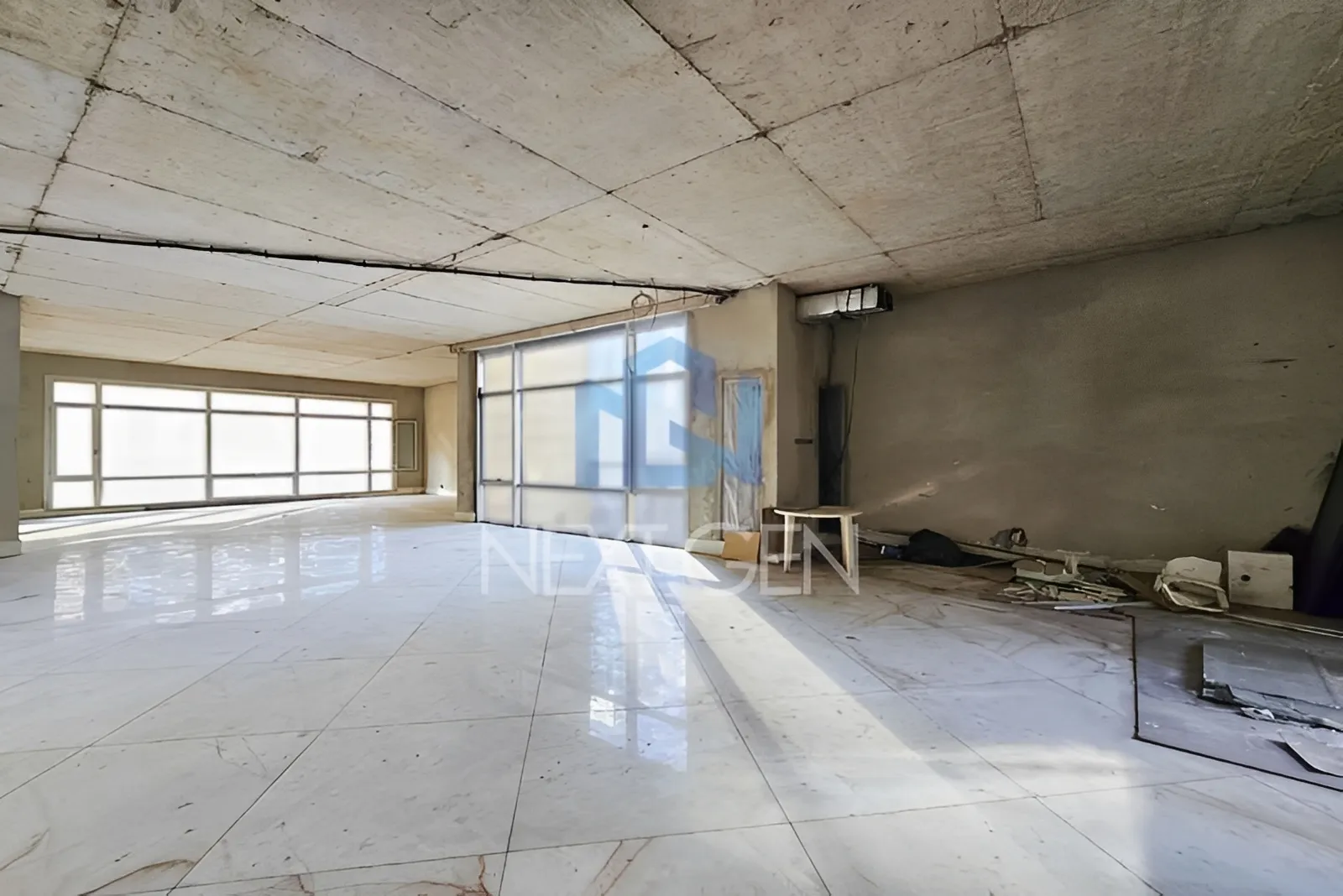
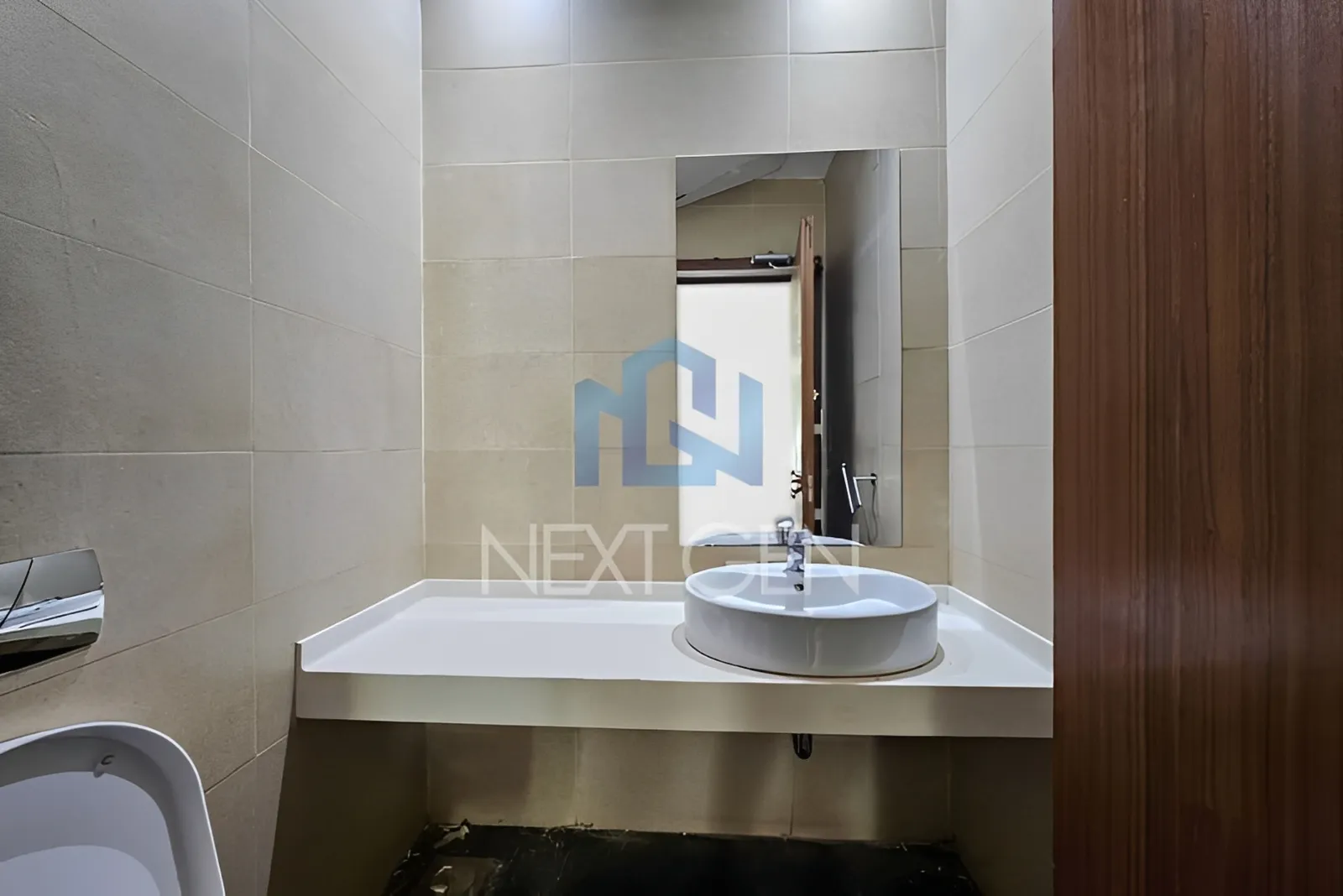
197 m²
Next Gen Real Estate SARL
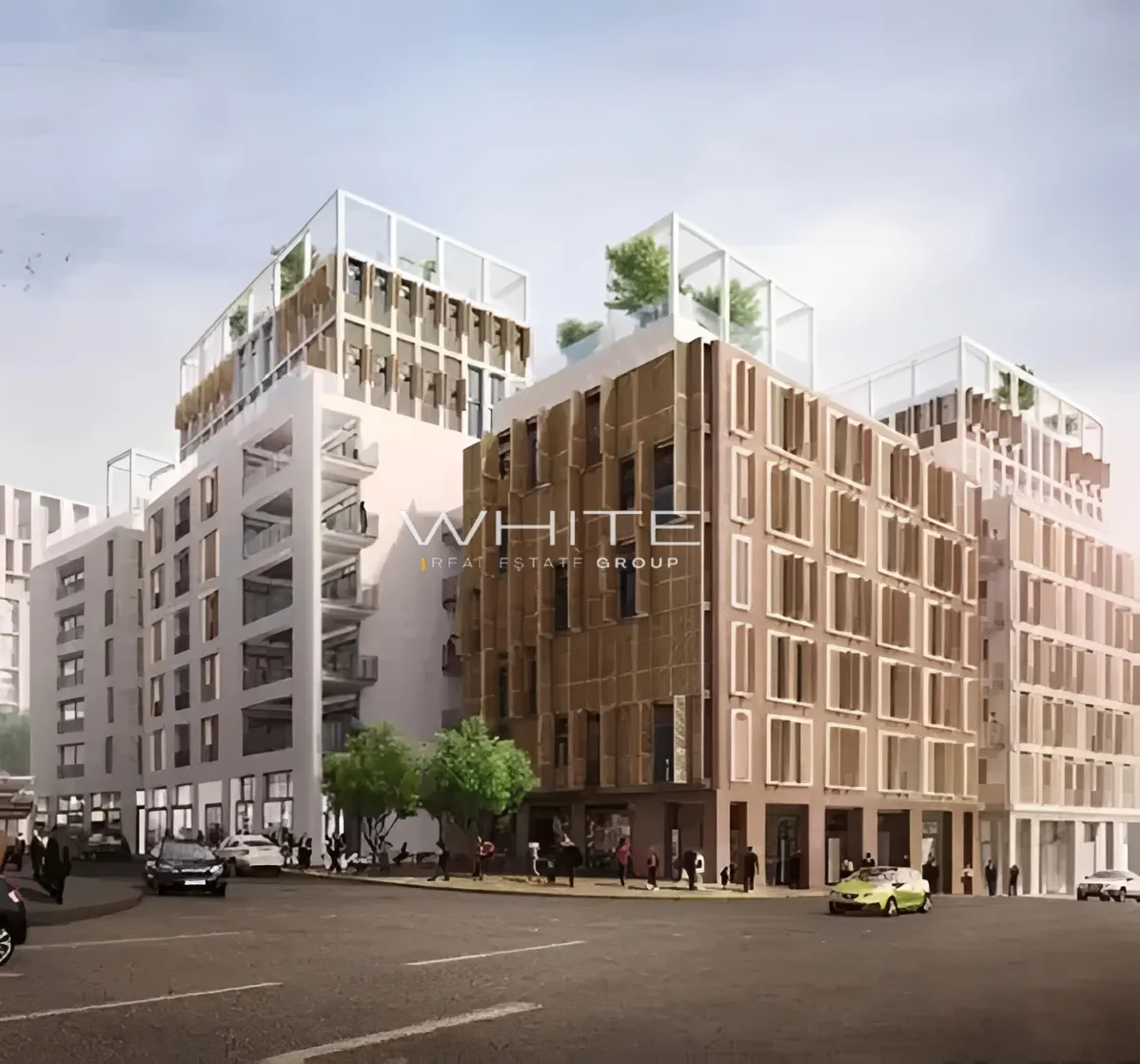
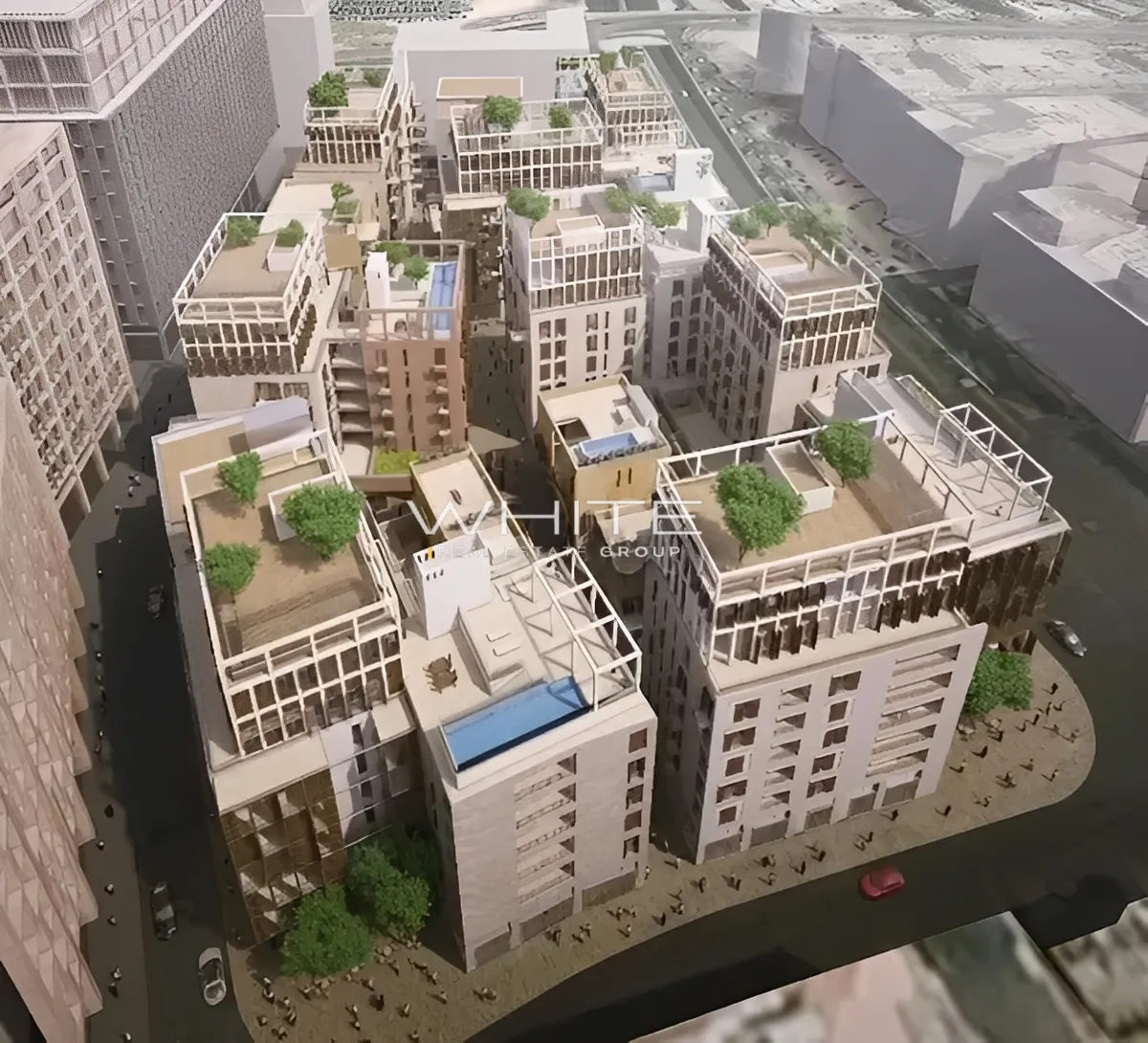
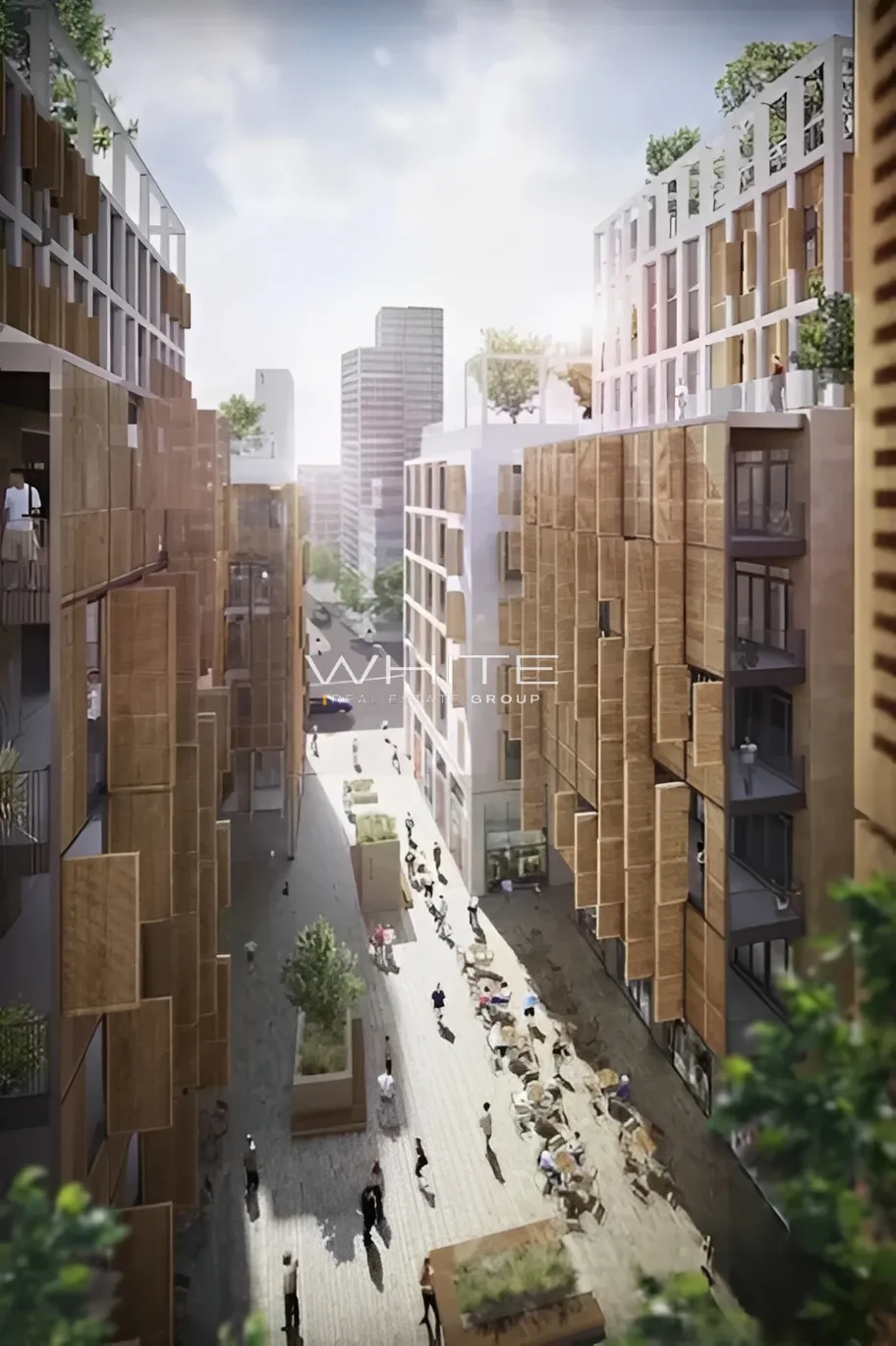
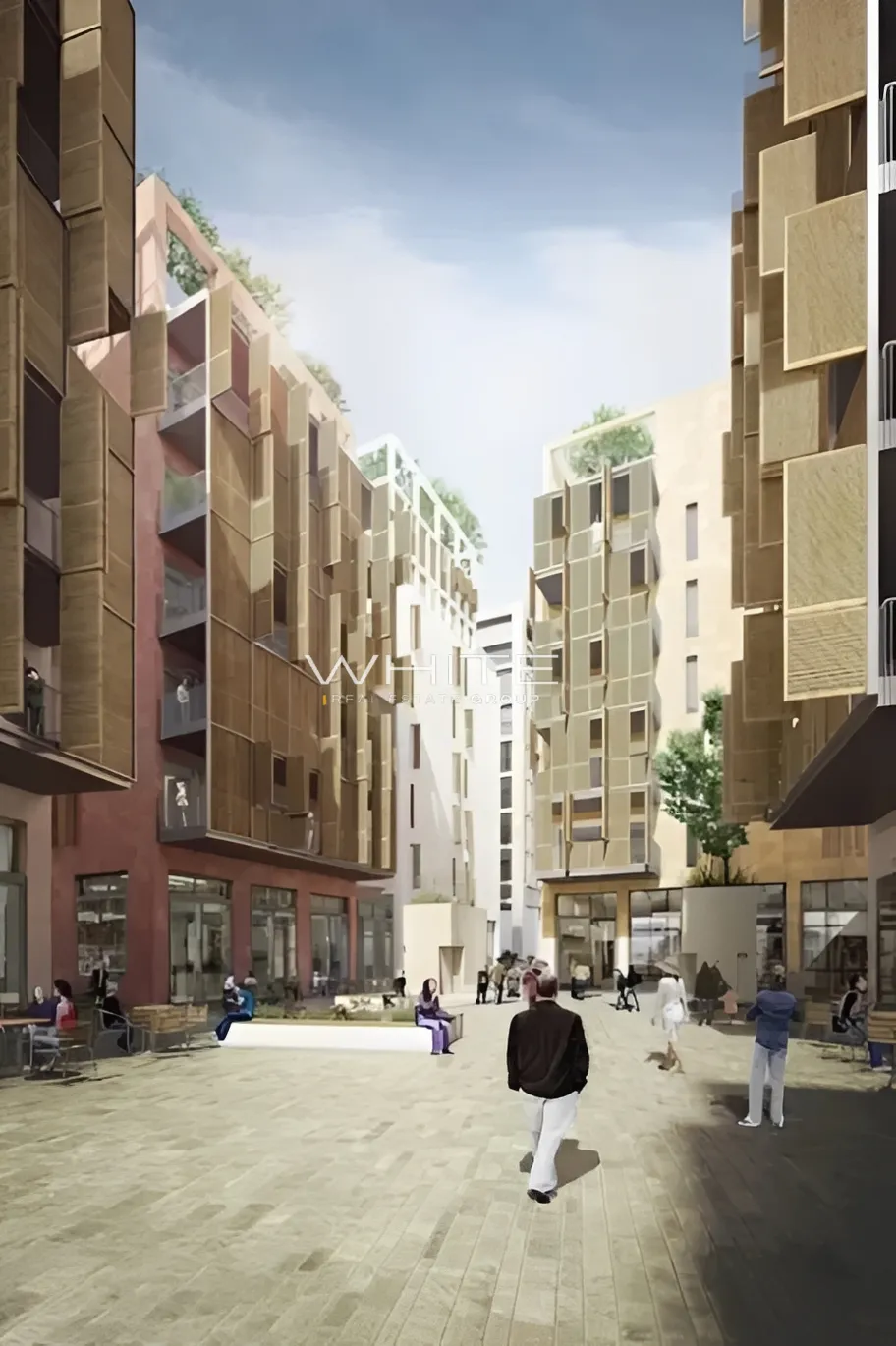
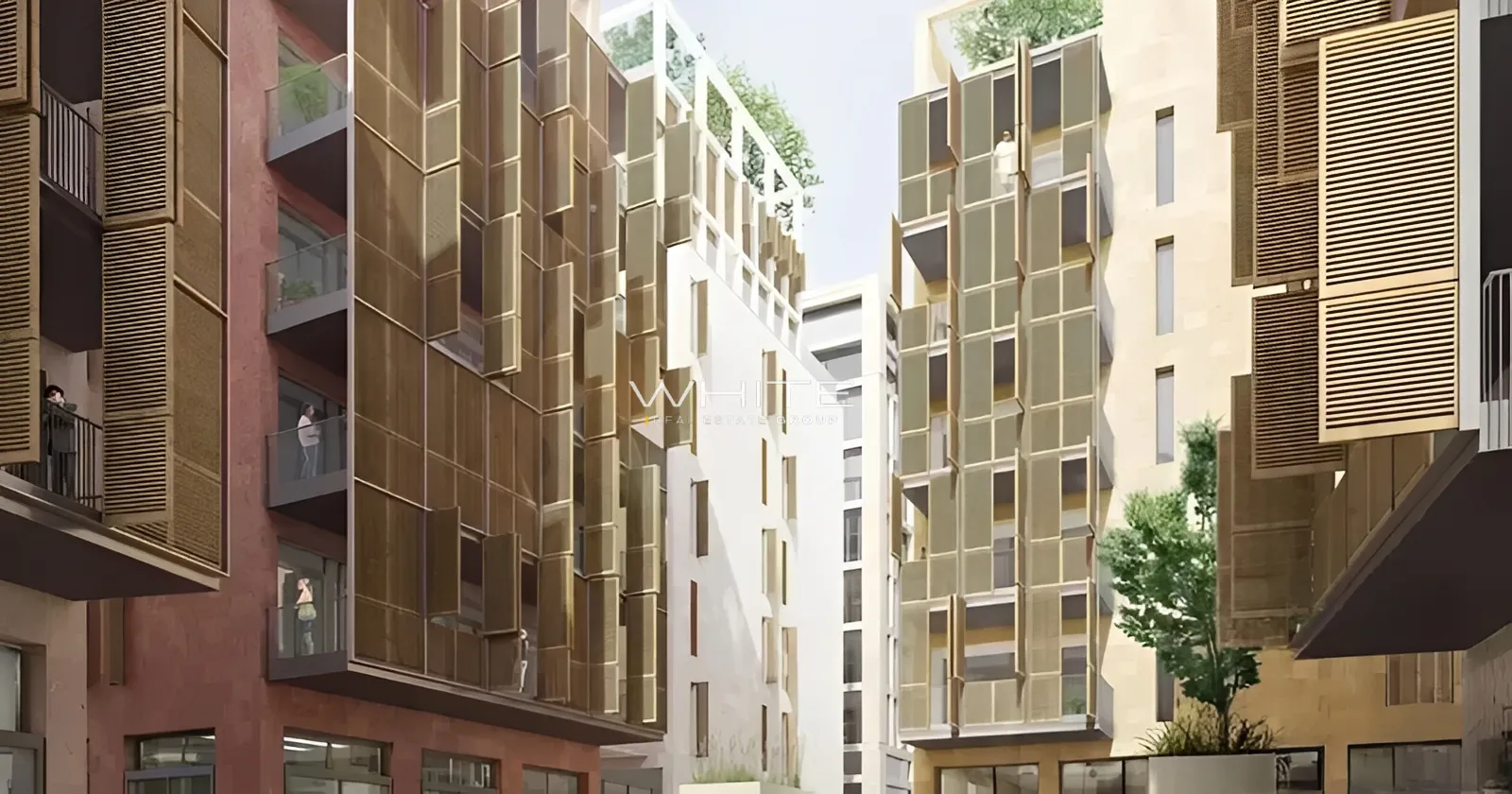
2 |
3 |
185 m²

White Real Estate Group
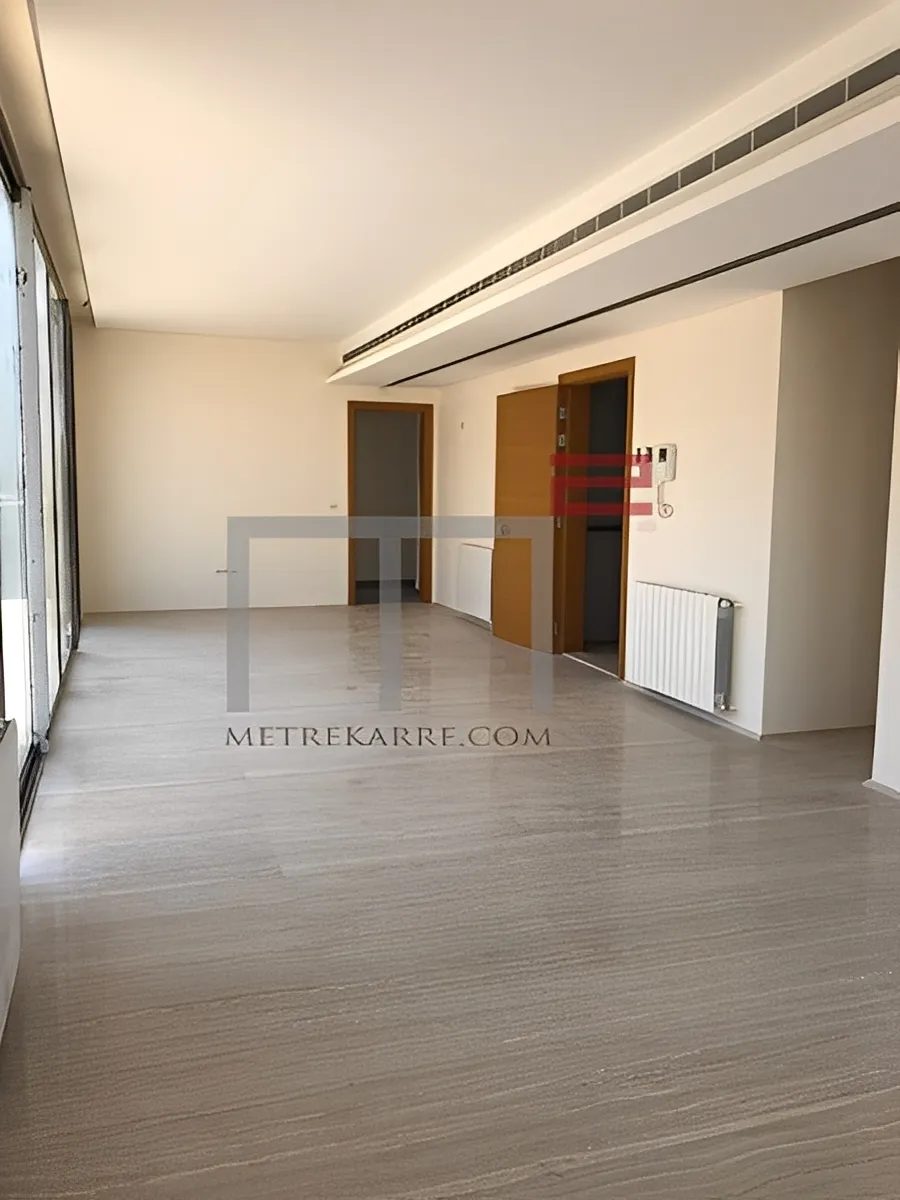
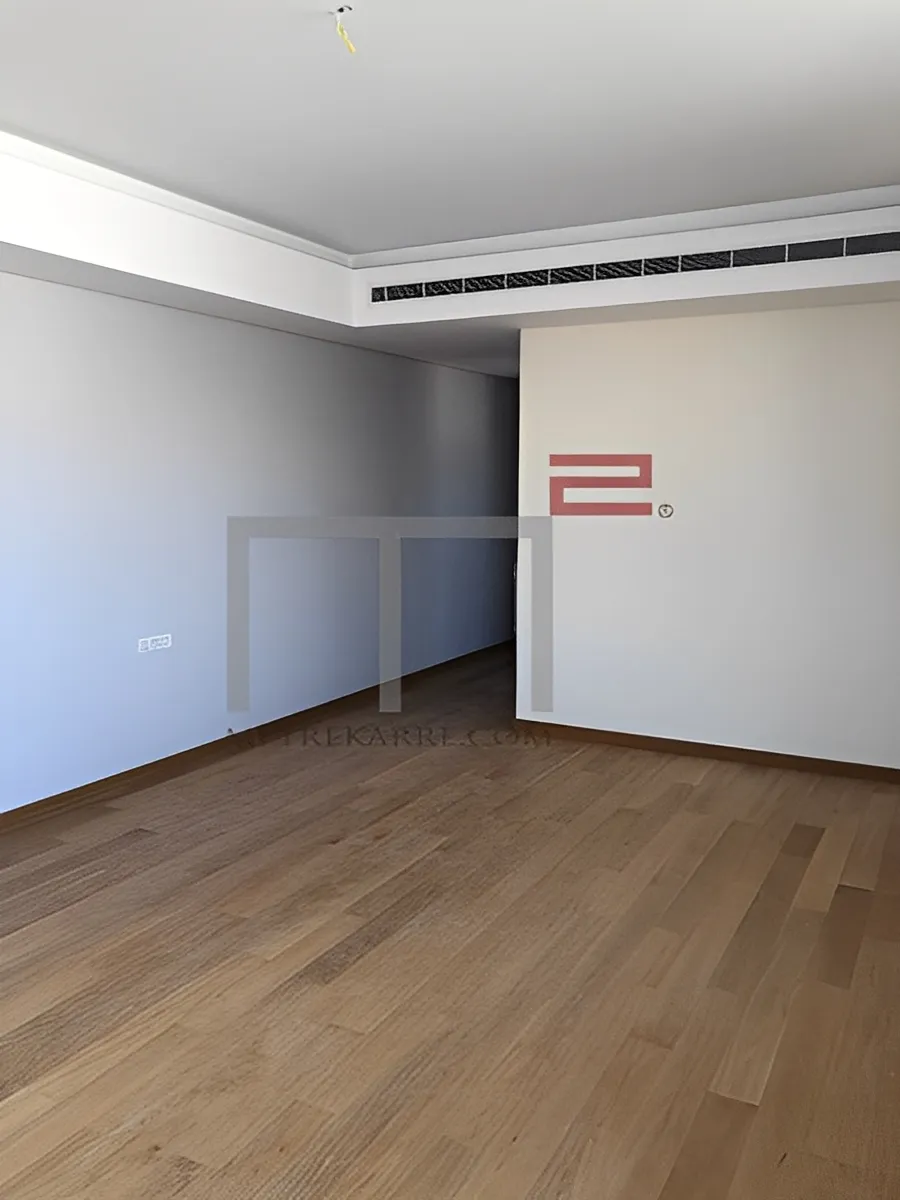
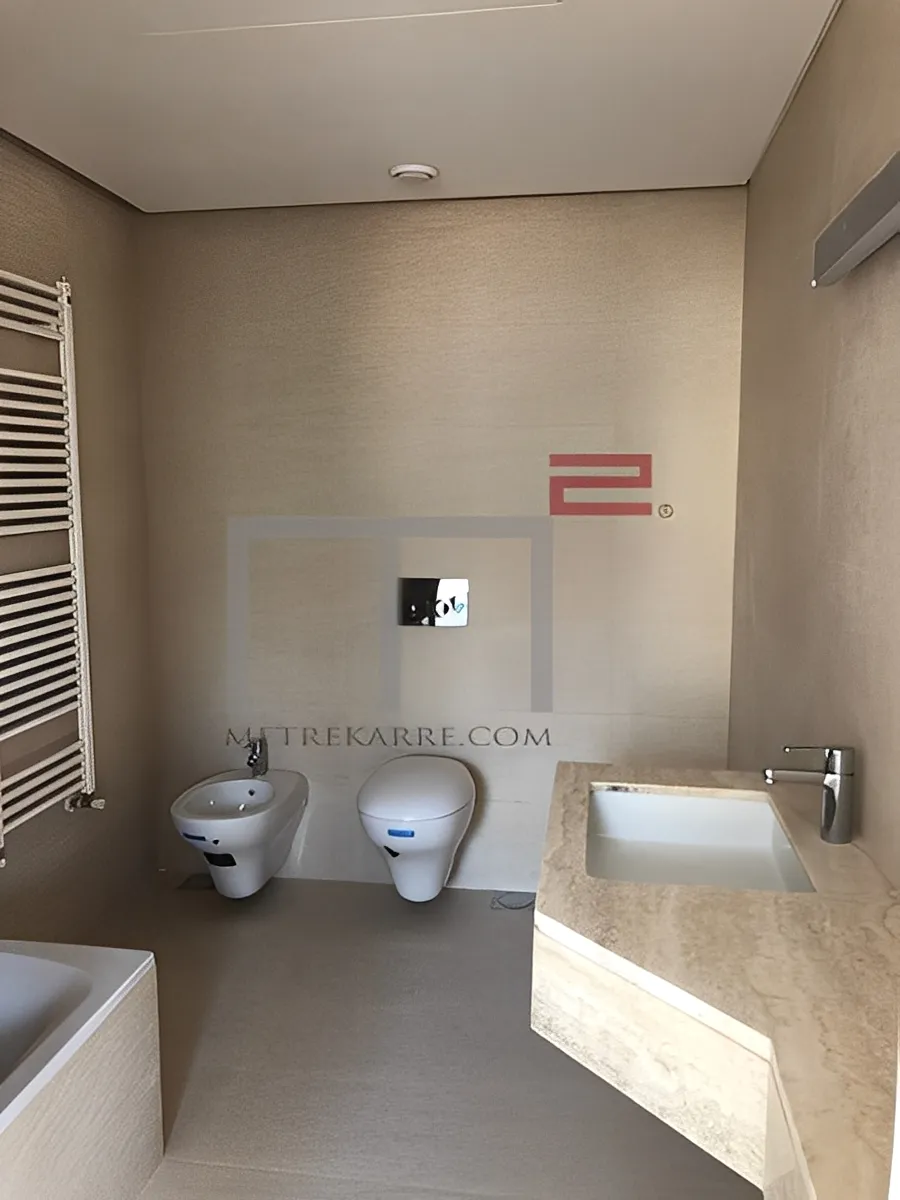
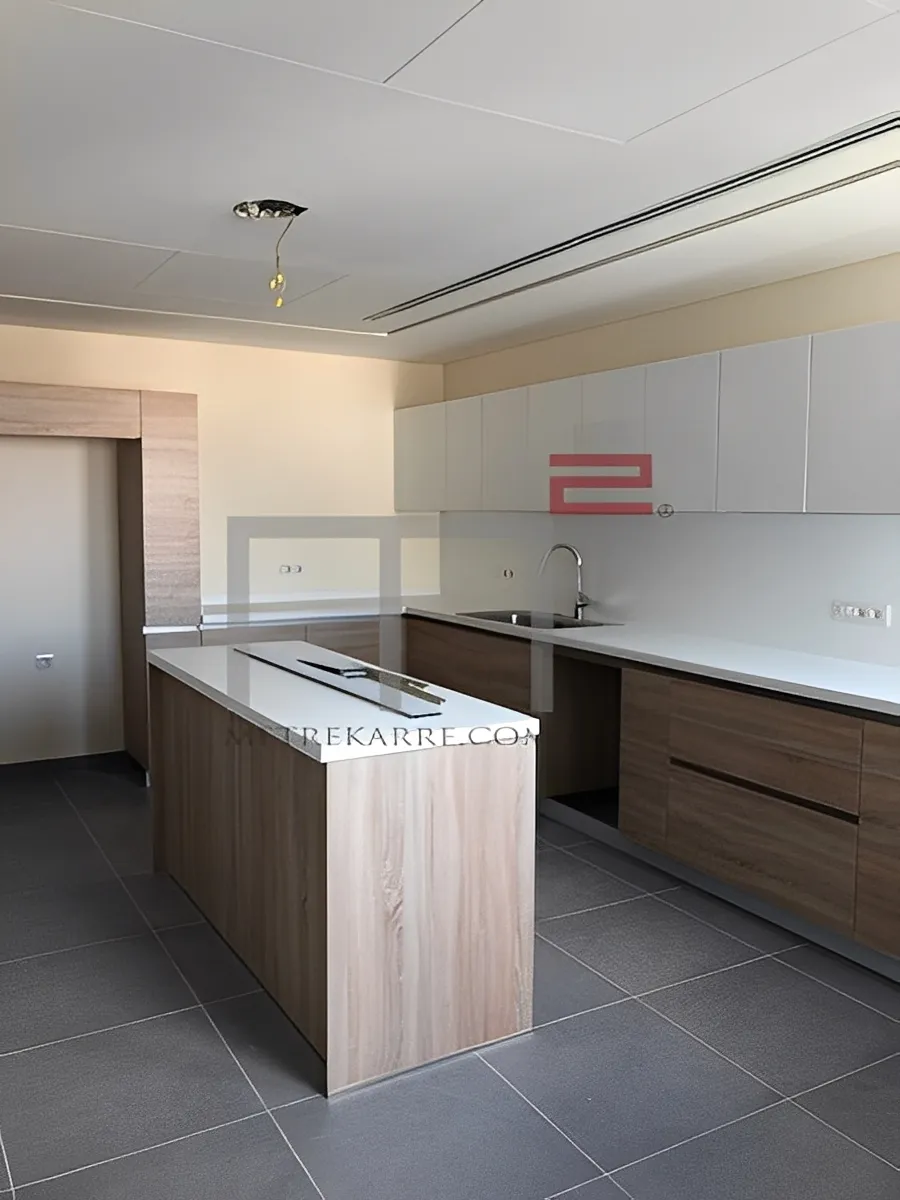
3 |
5 |
395 m²
Metrekarre Koncept
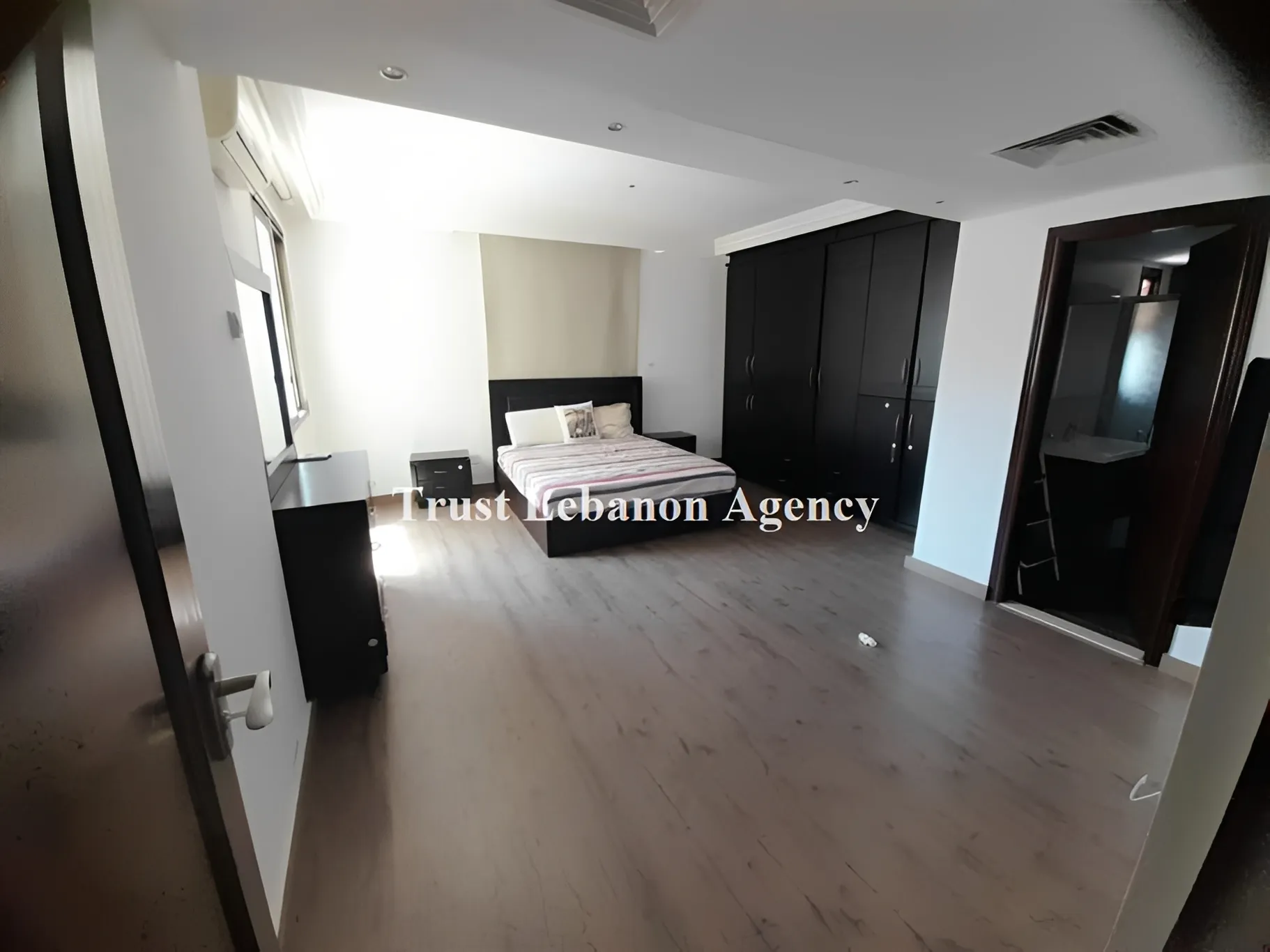
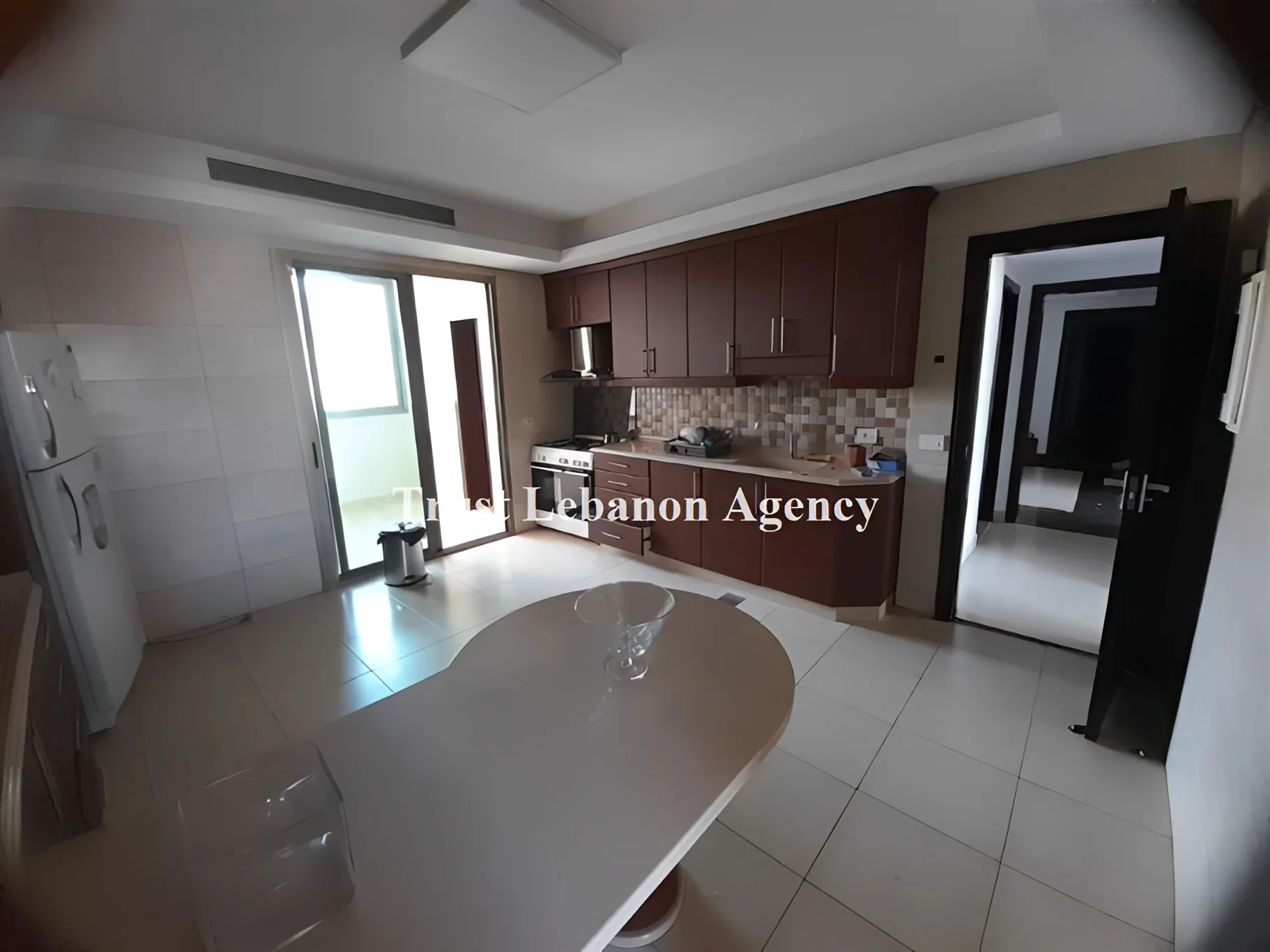
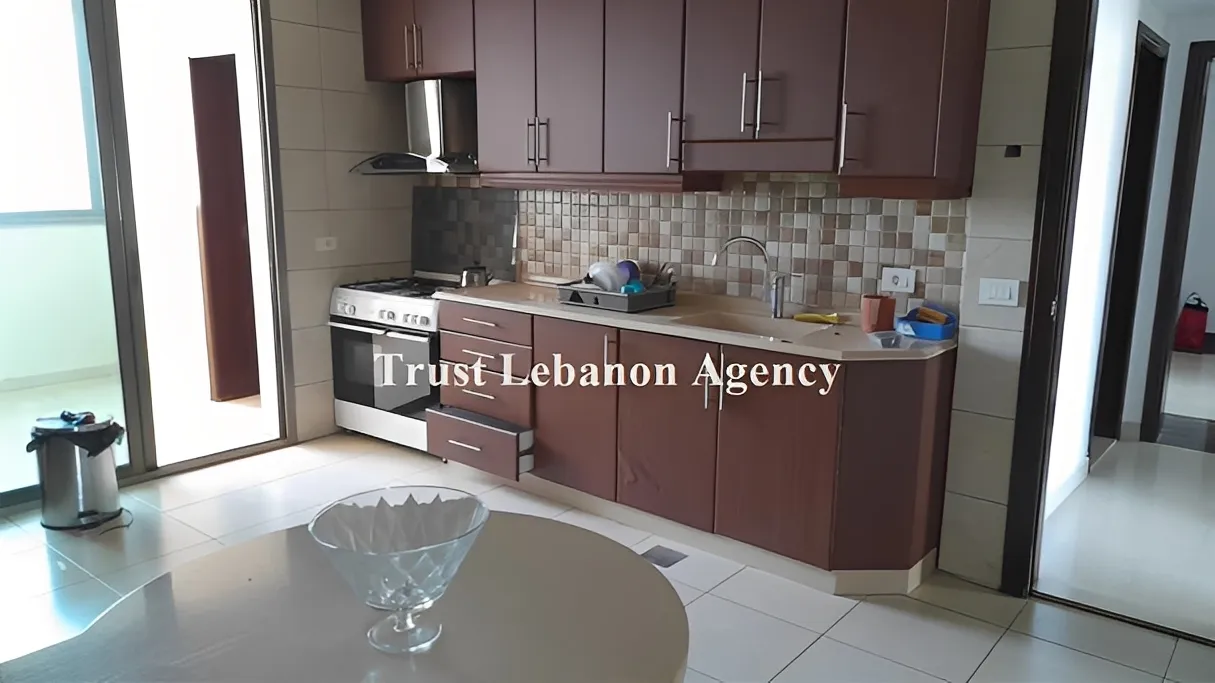
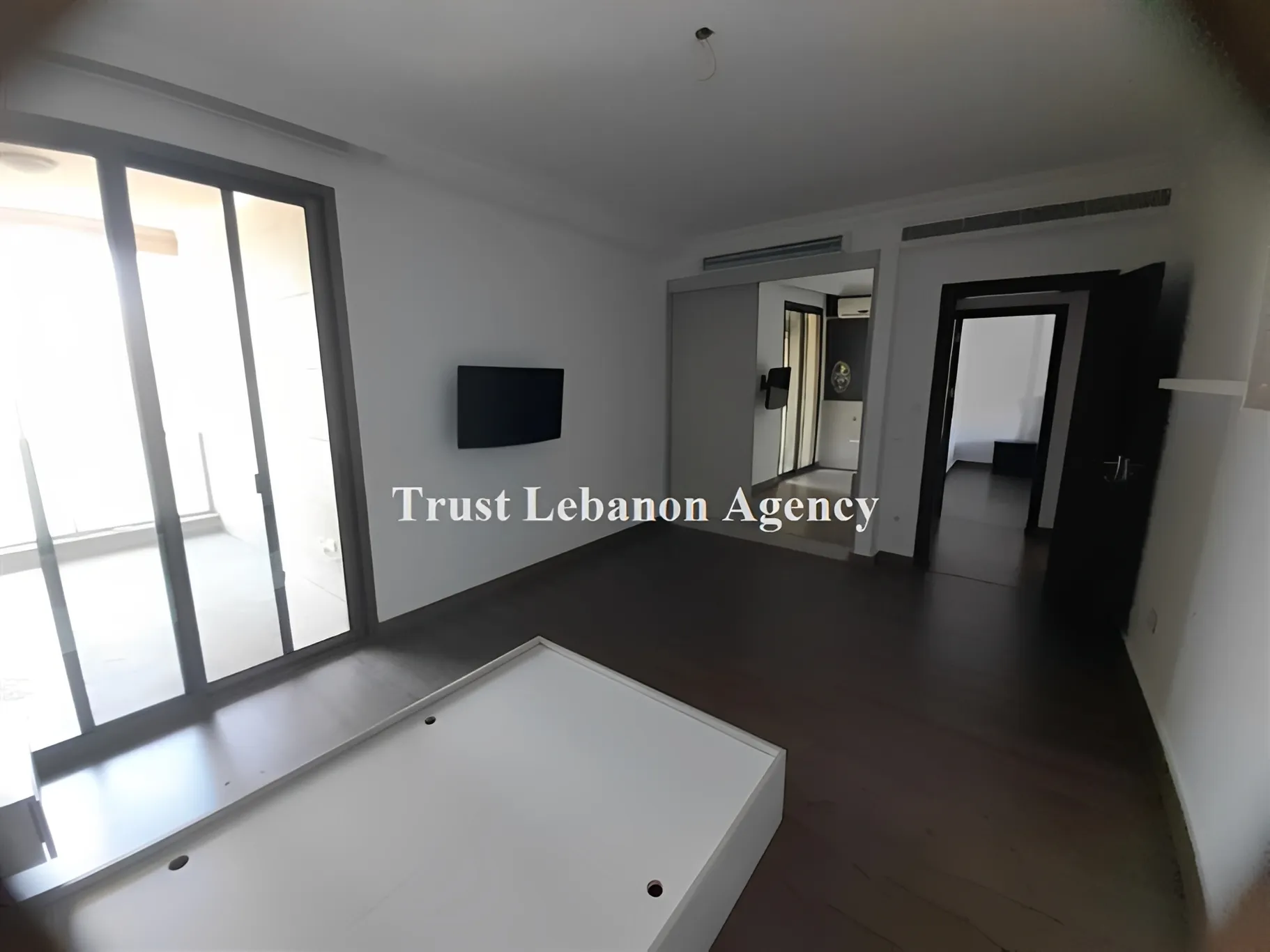
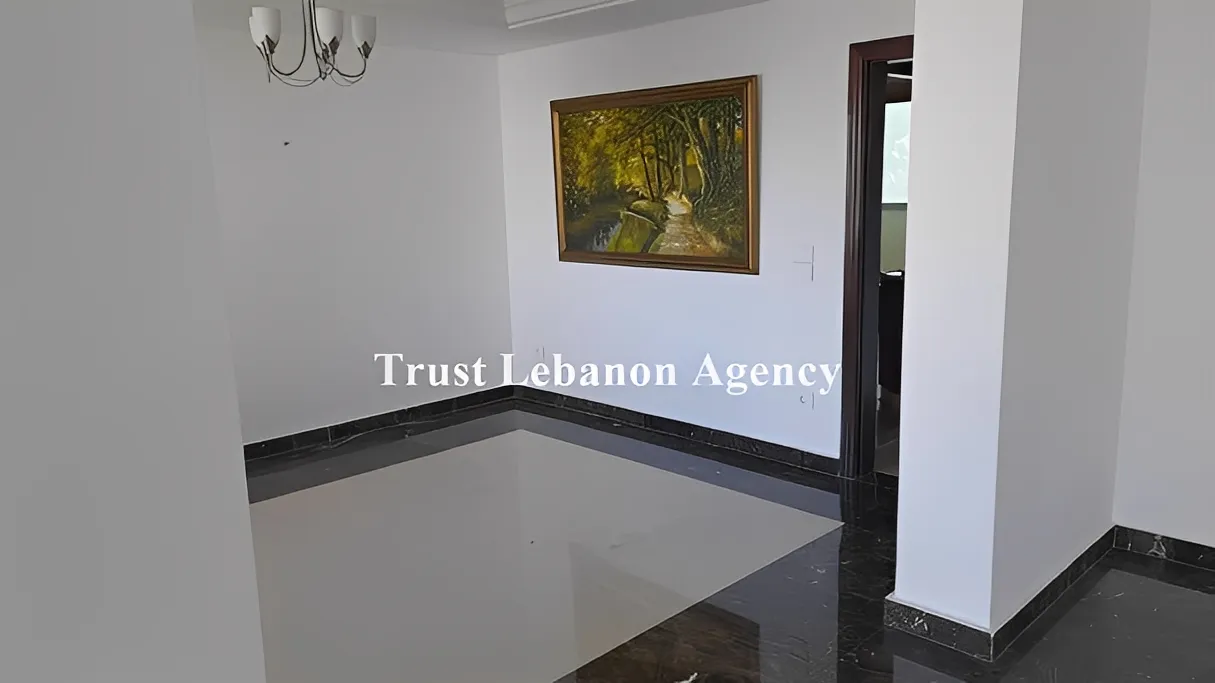
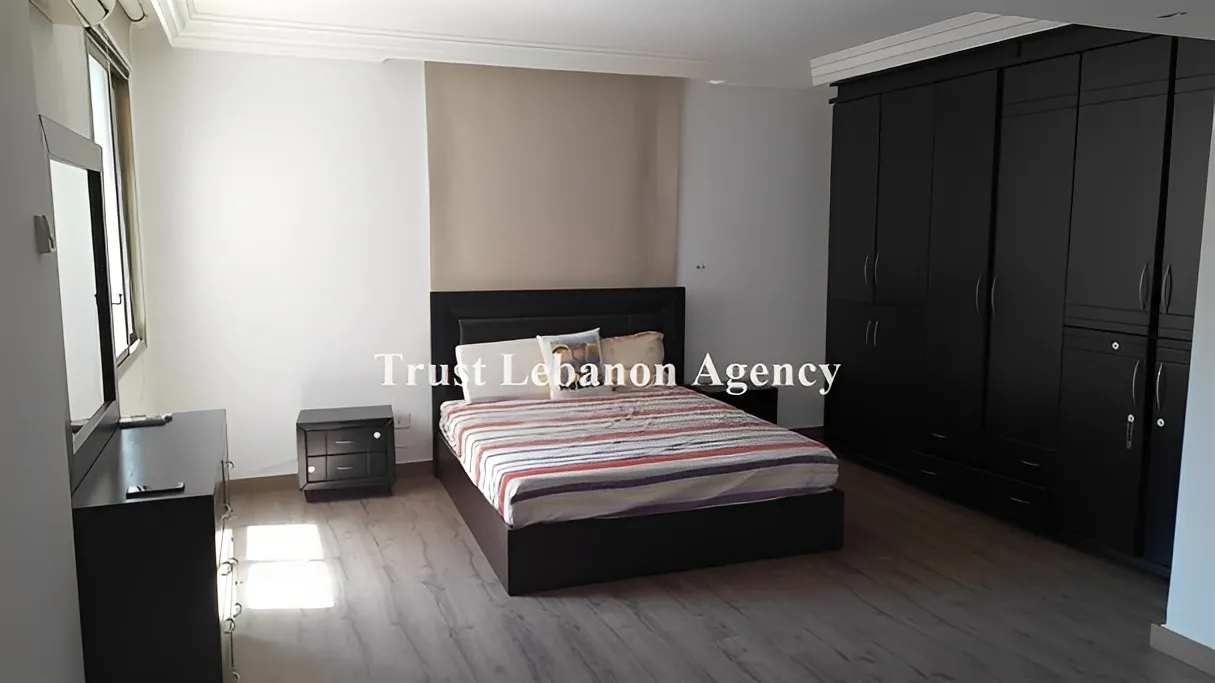
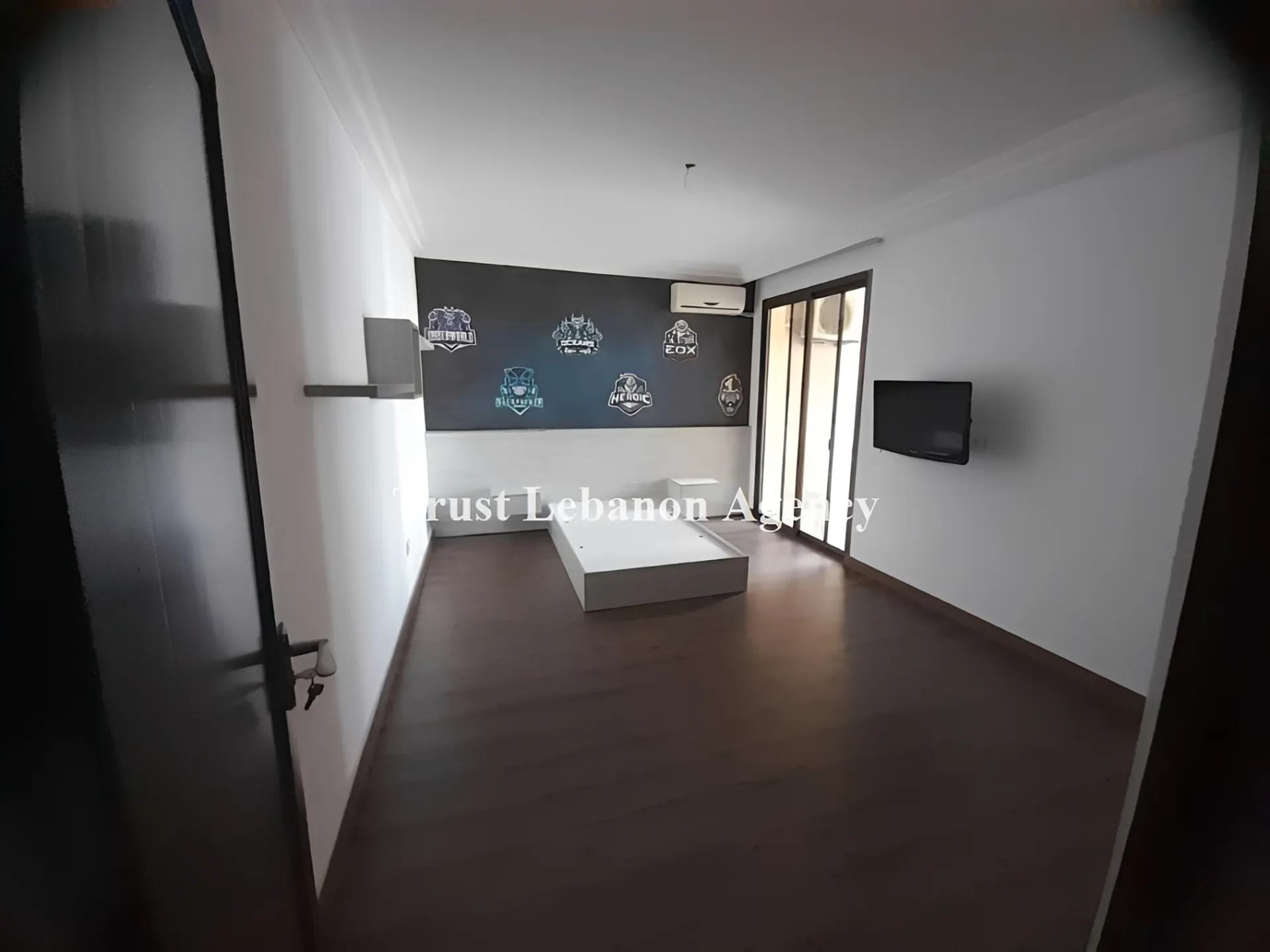
4 |
4 |
310 m²
Trust Lebanon
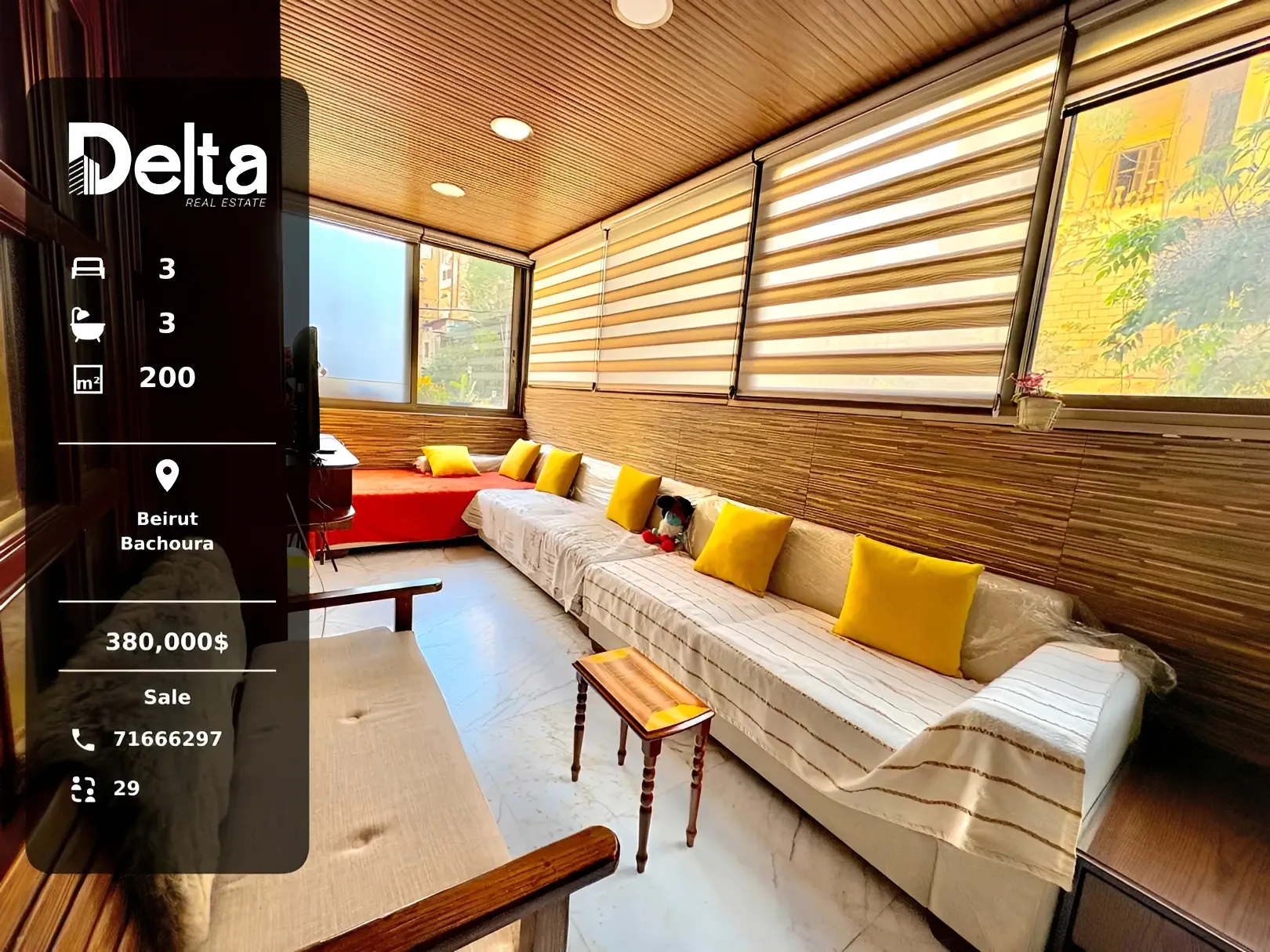
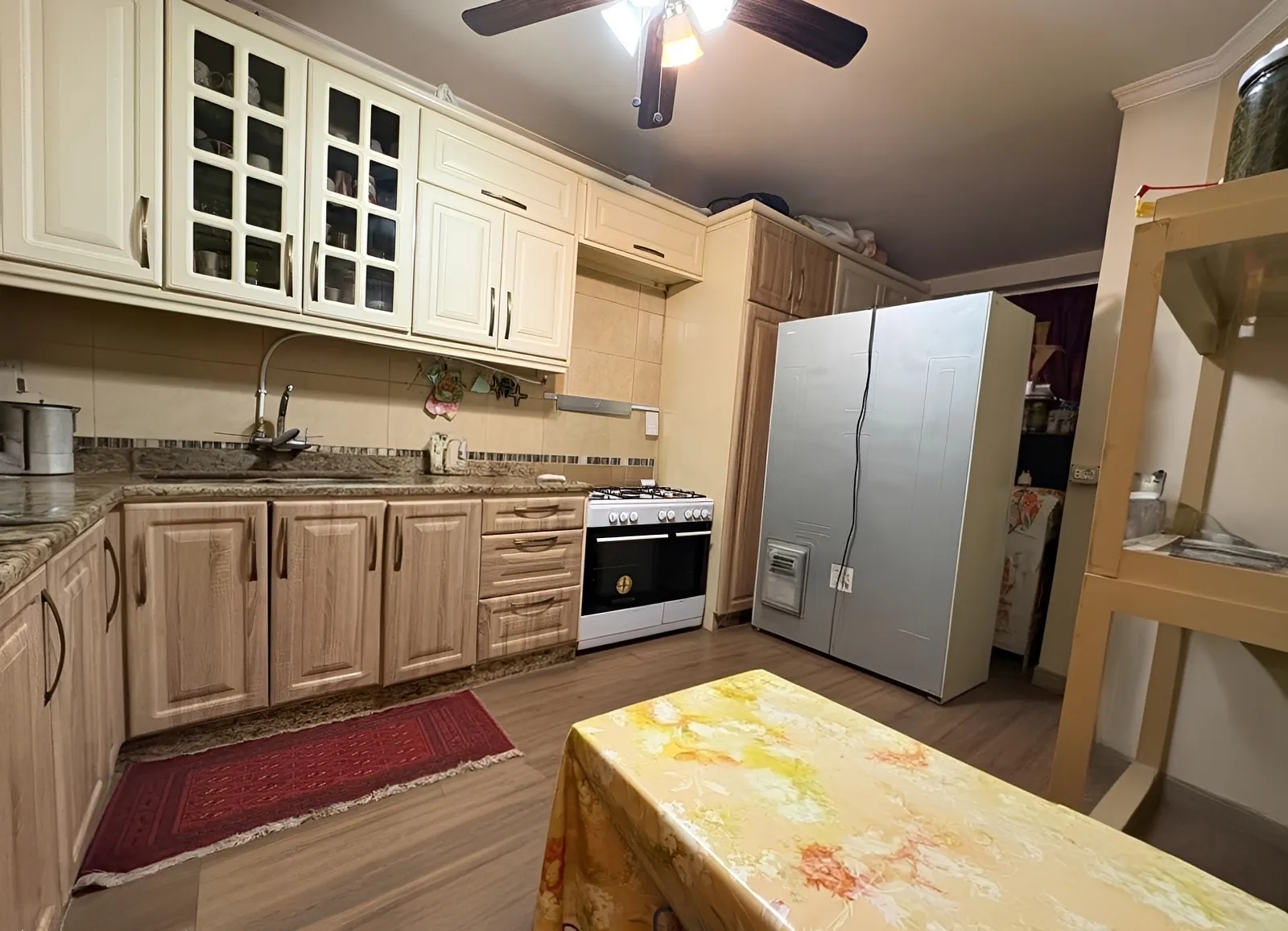
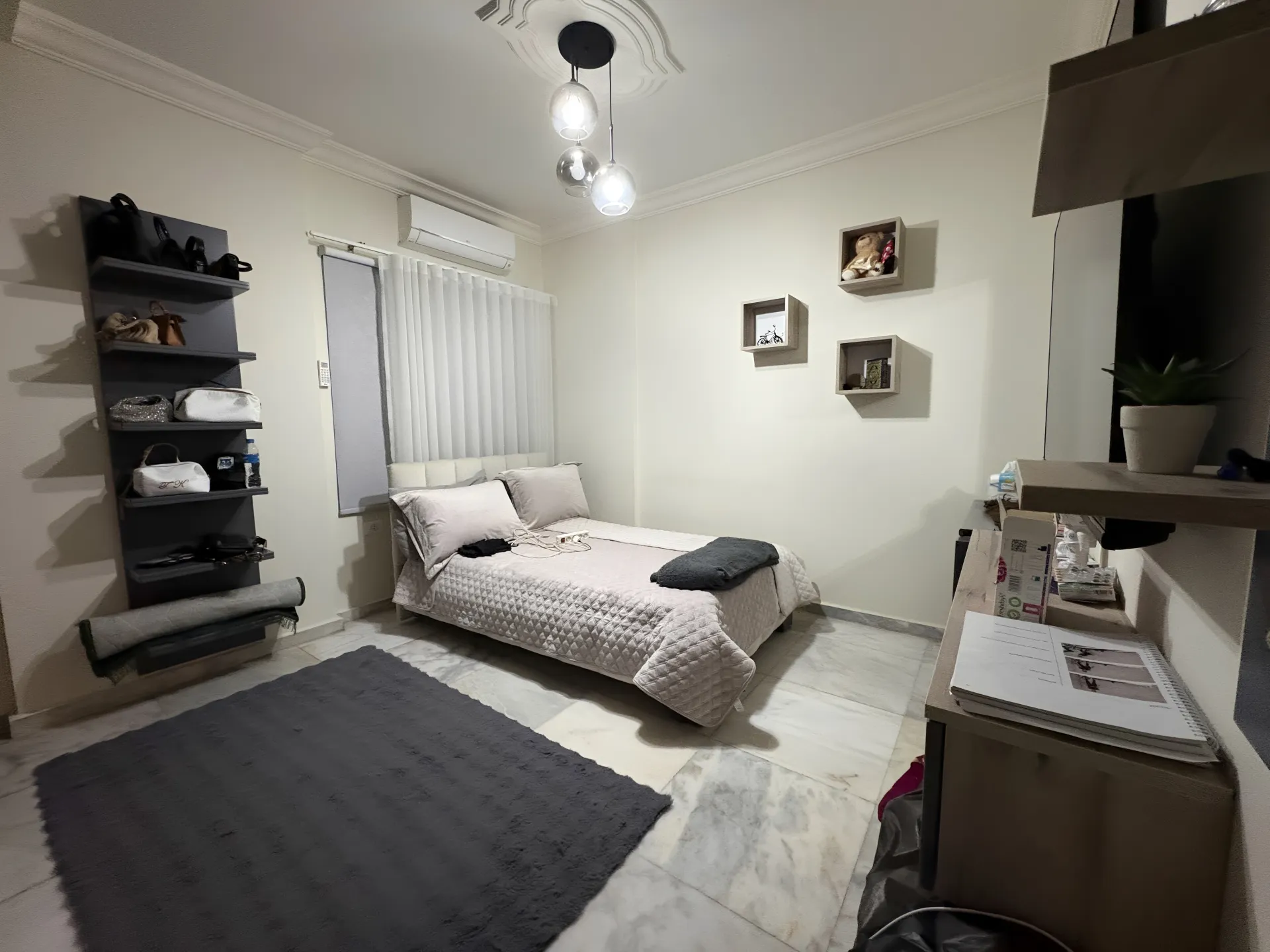
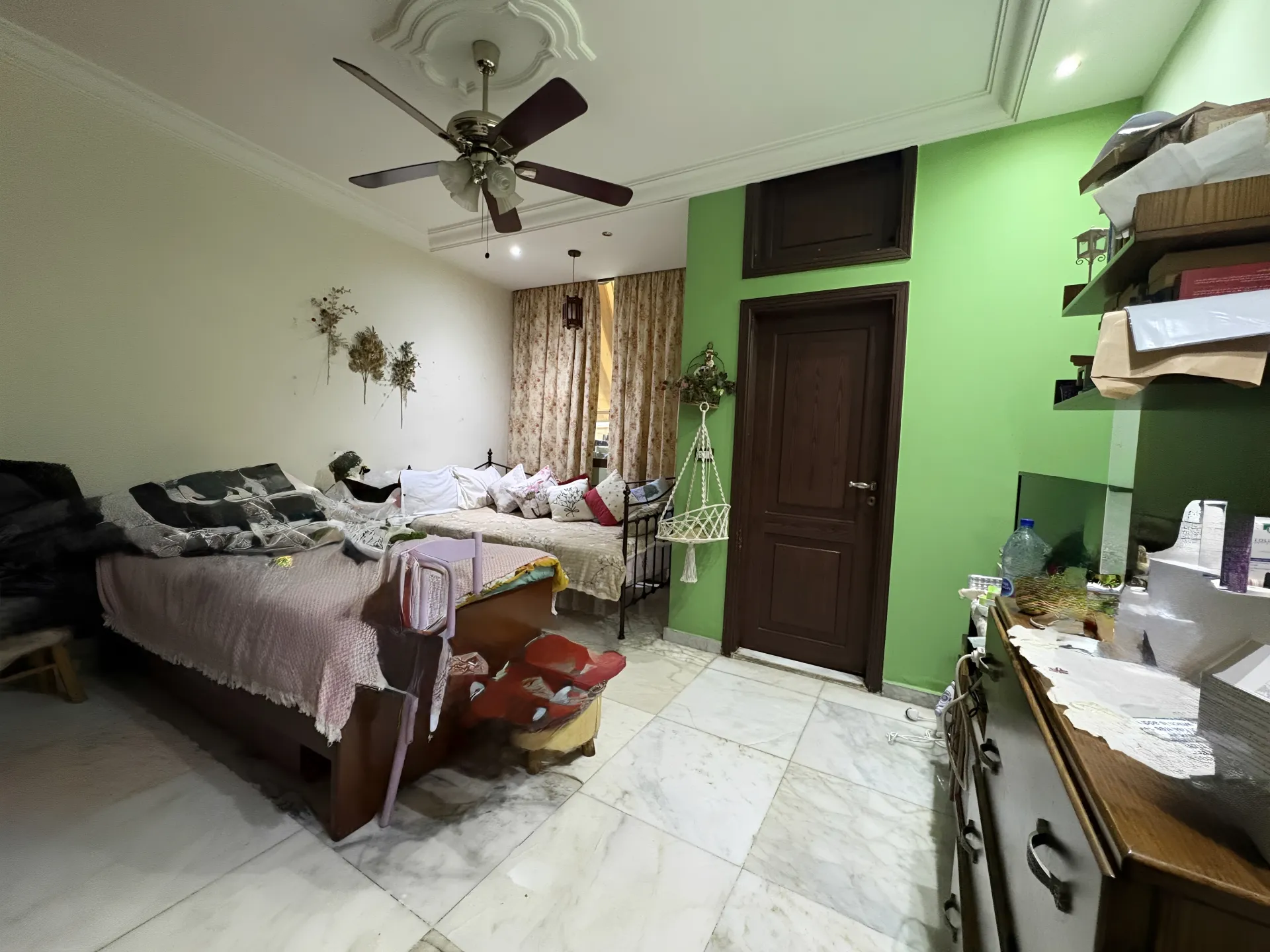
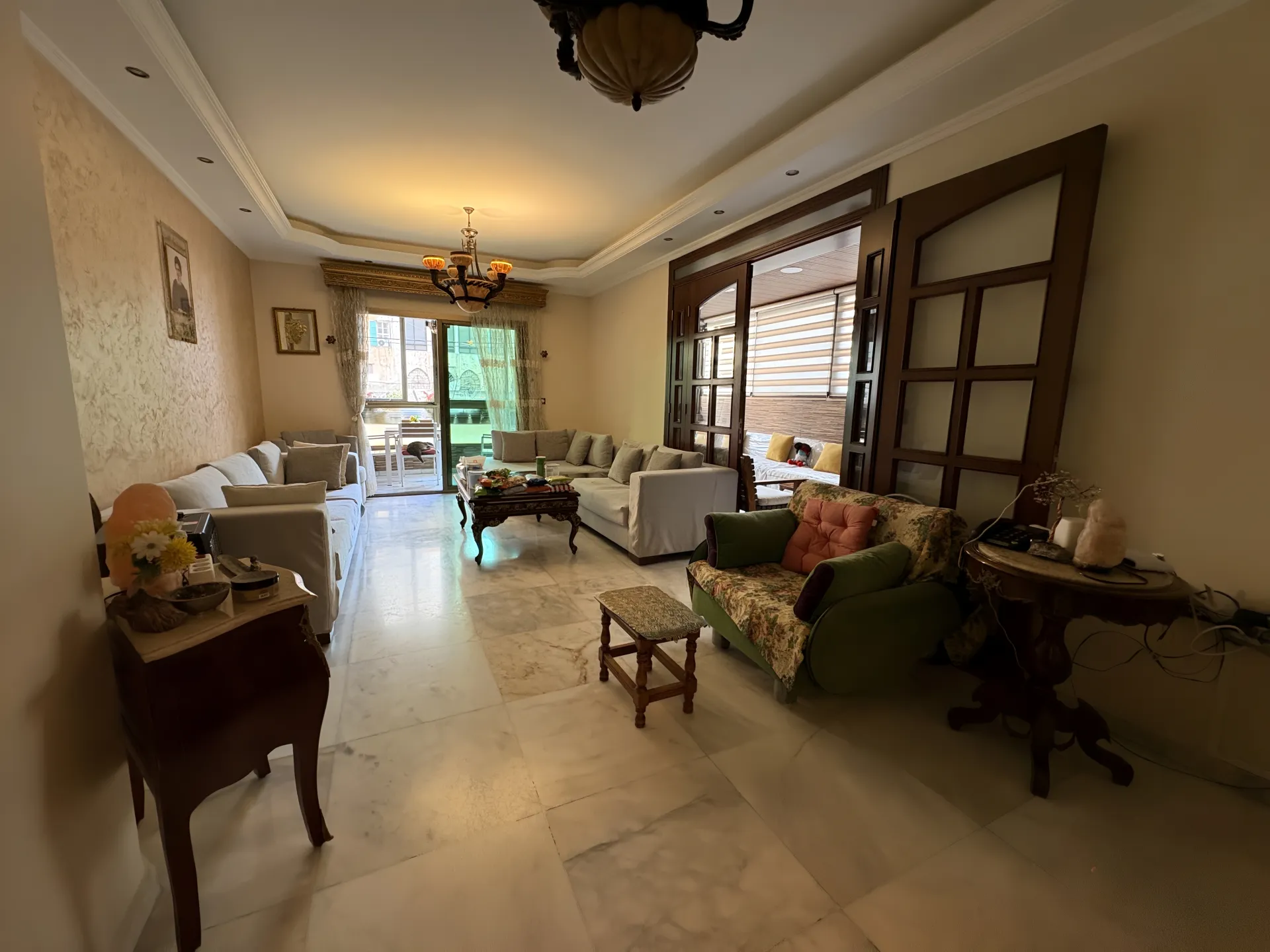
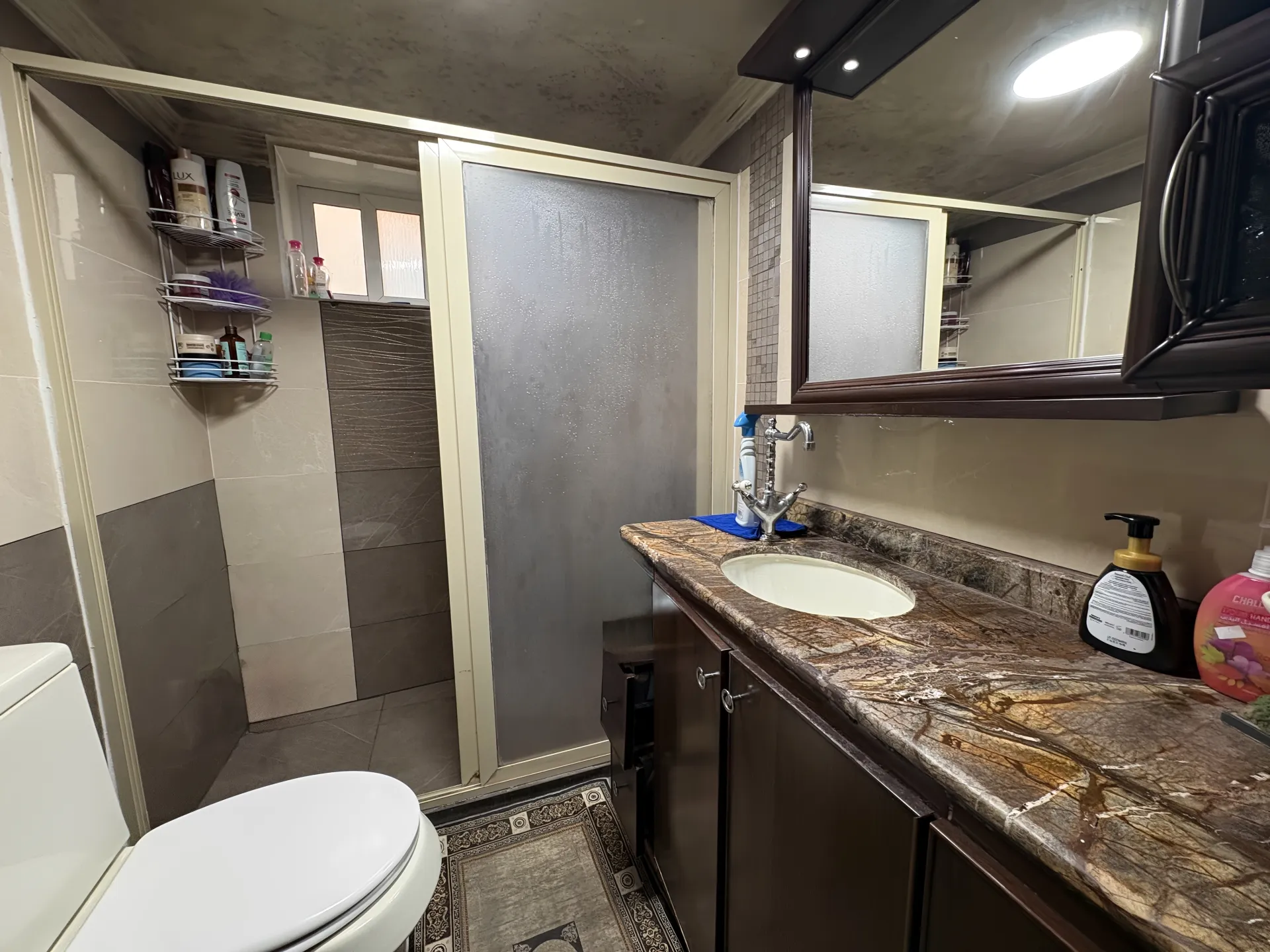
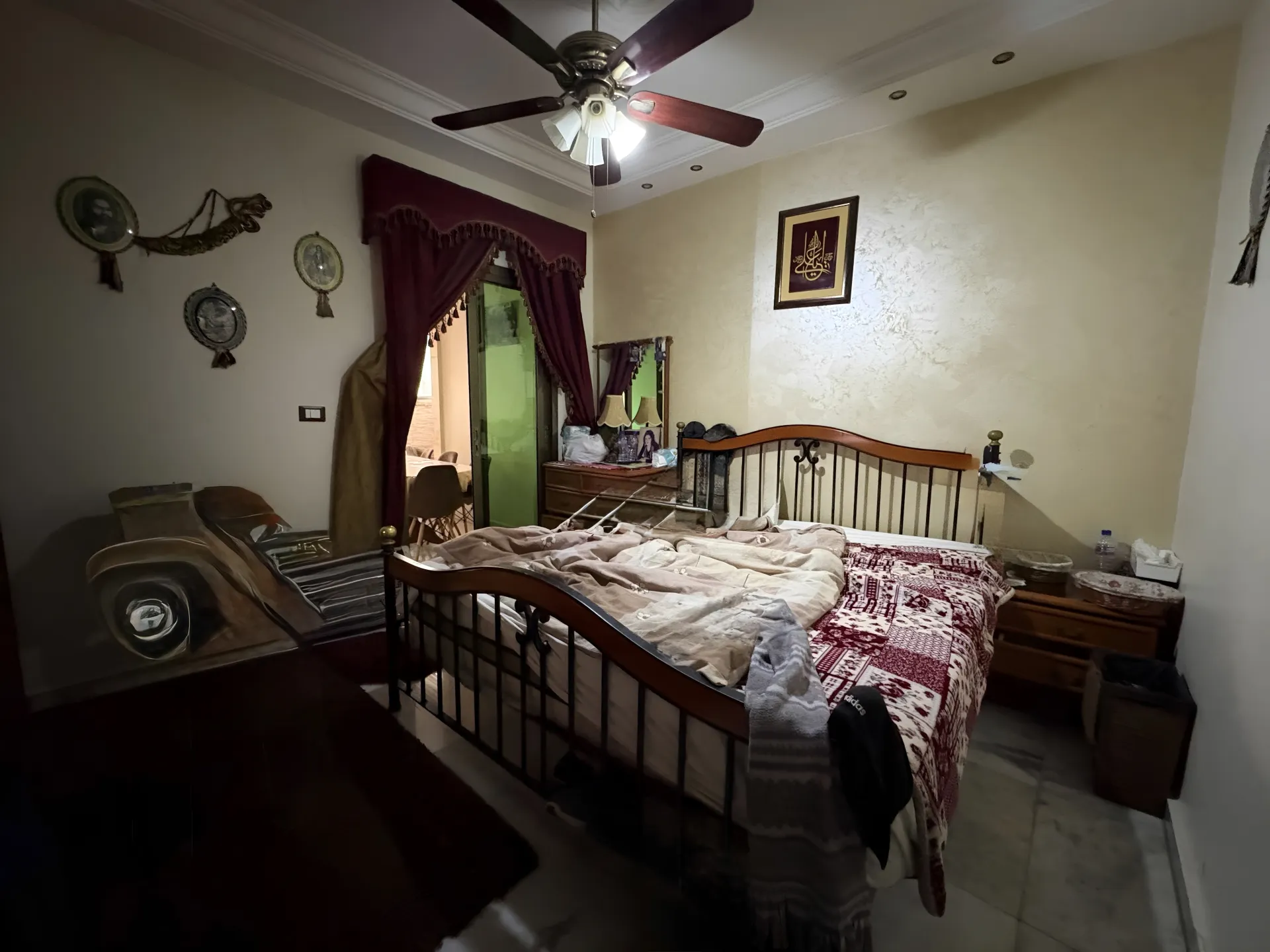
3 |
3.0 |
200 m²
Delta Real Estate
3 |
4 |
183 m²
Trust Lebanon
3 |
5 |
345 m²
S-Gestion
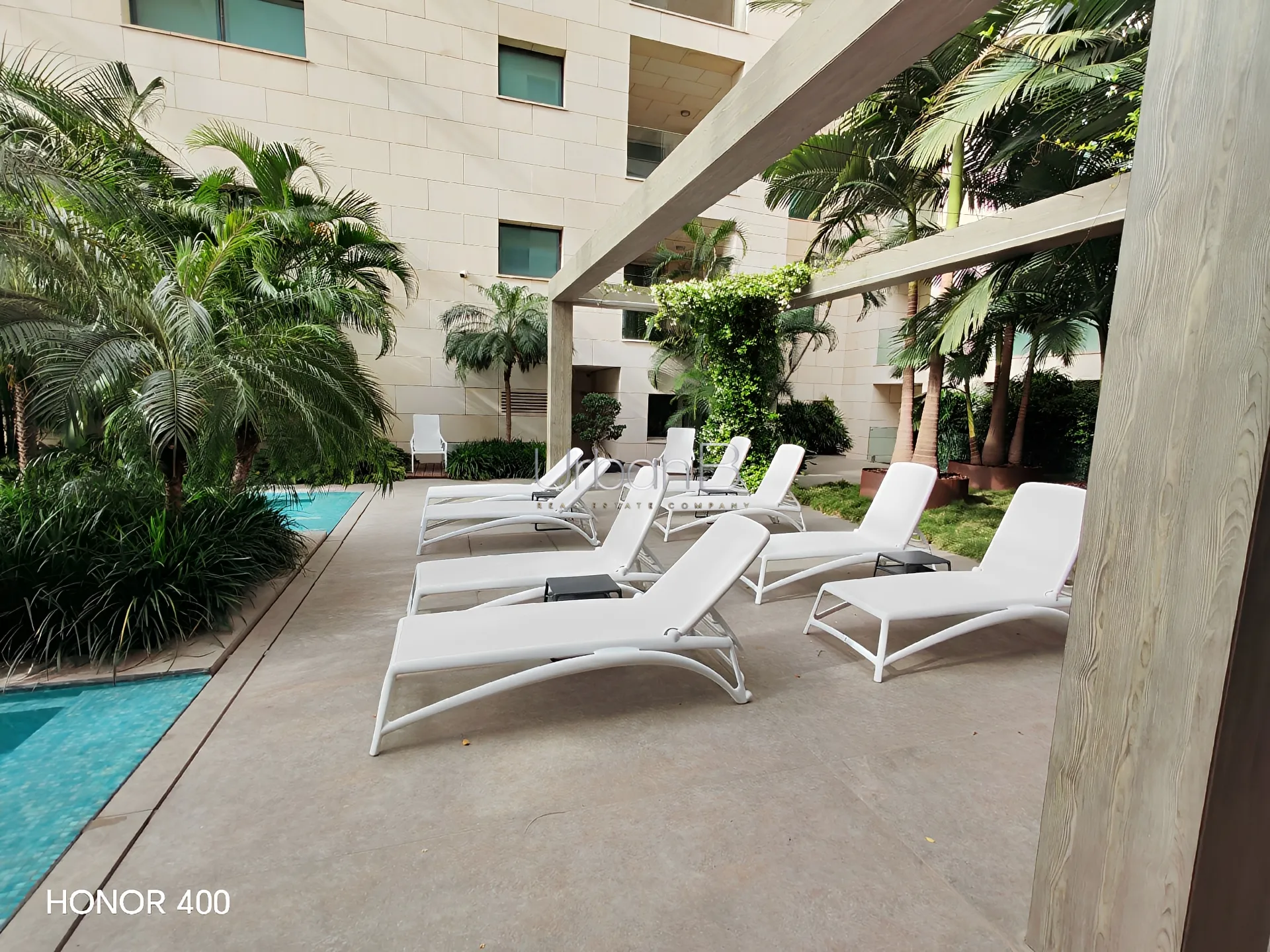
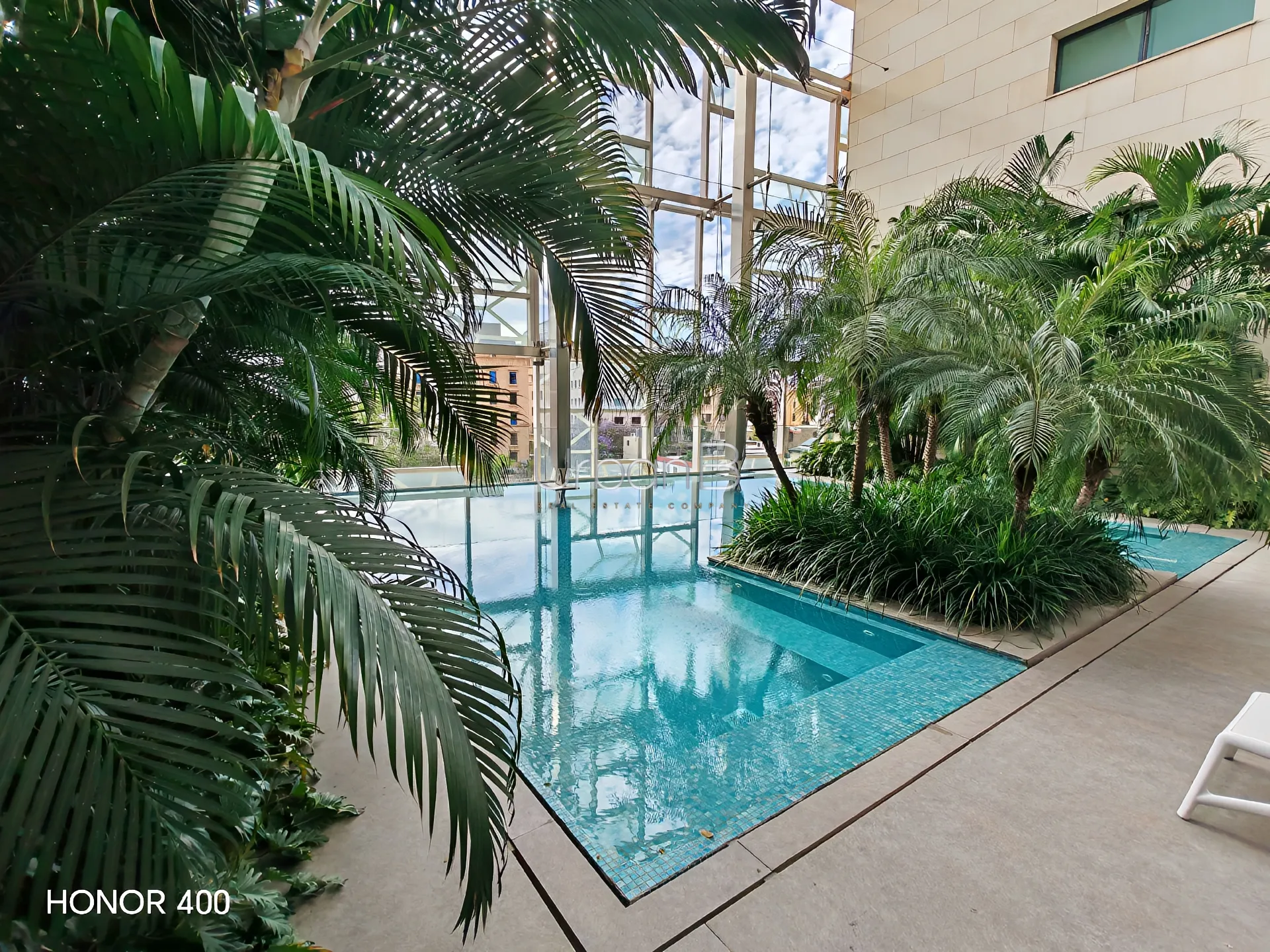
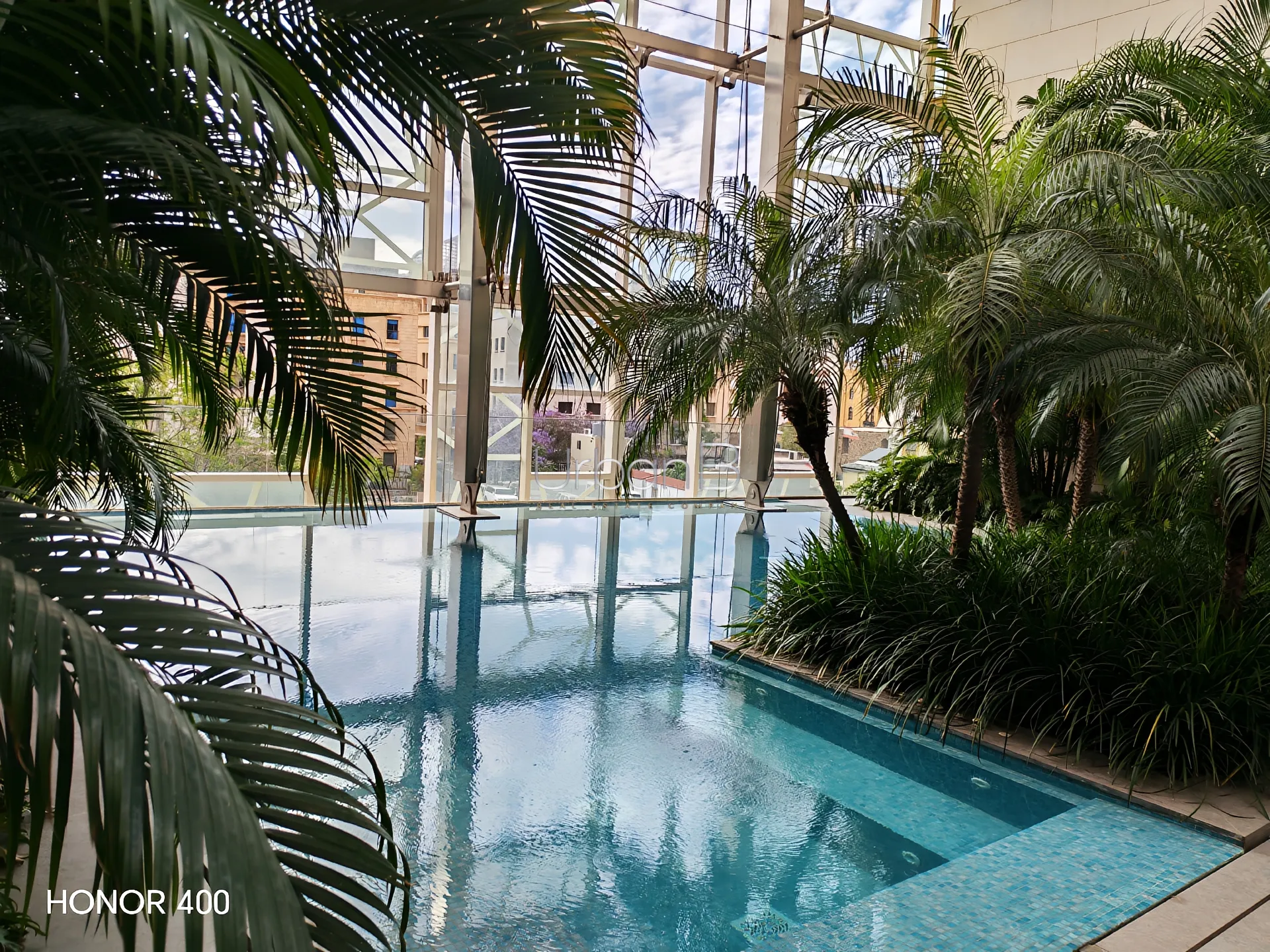
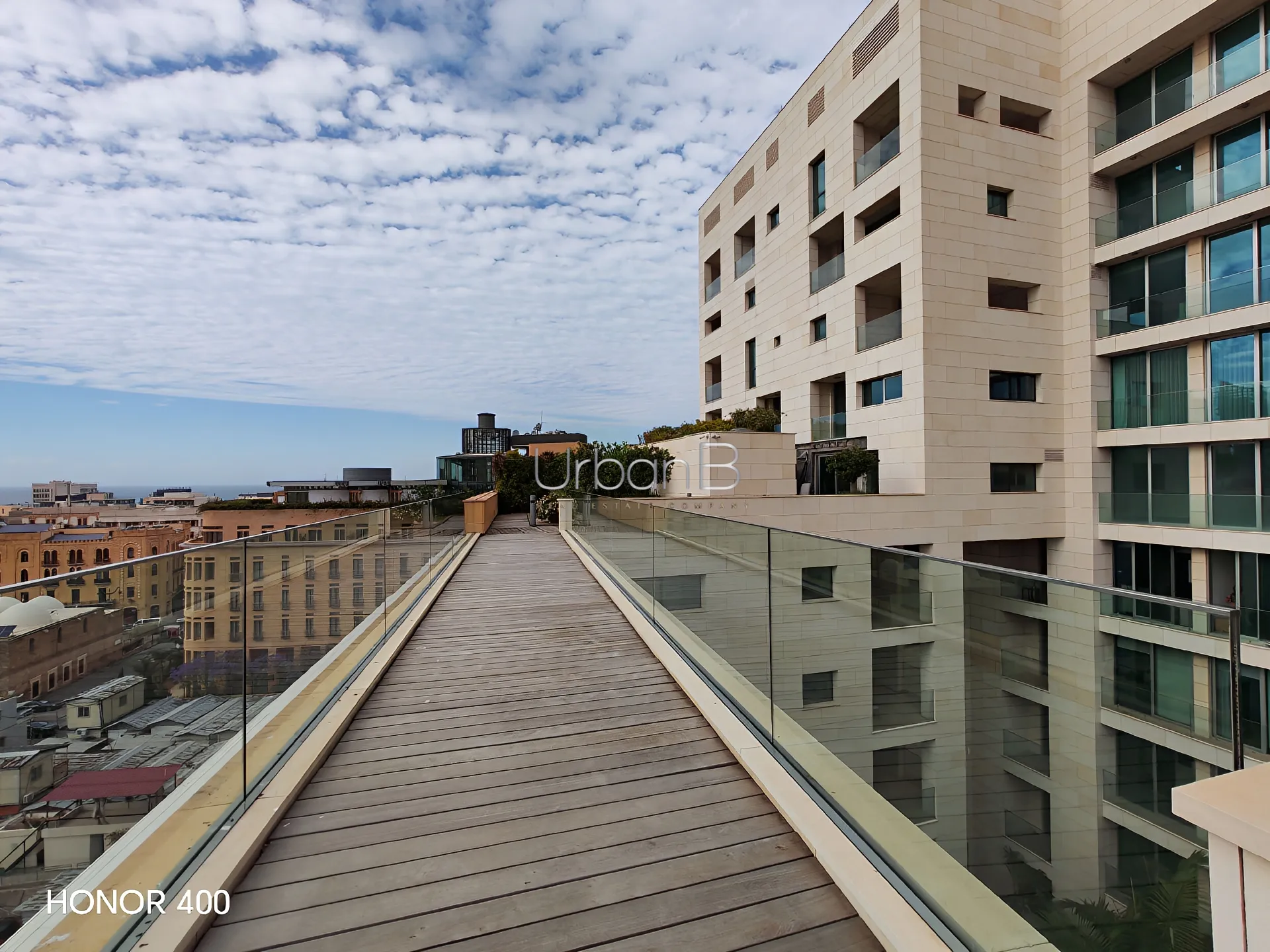
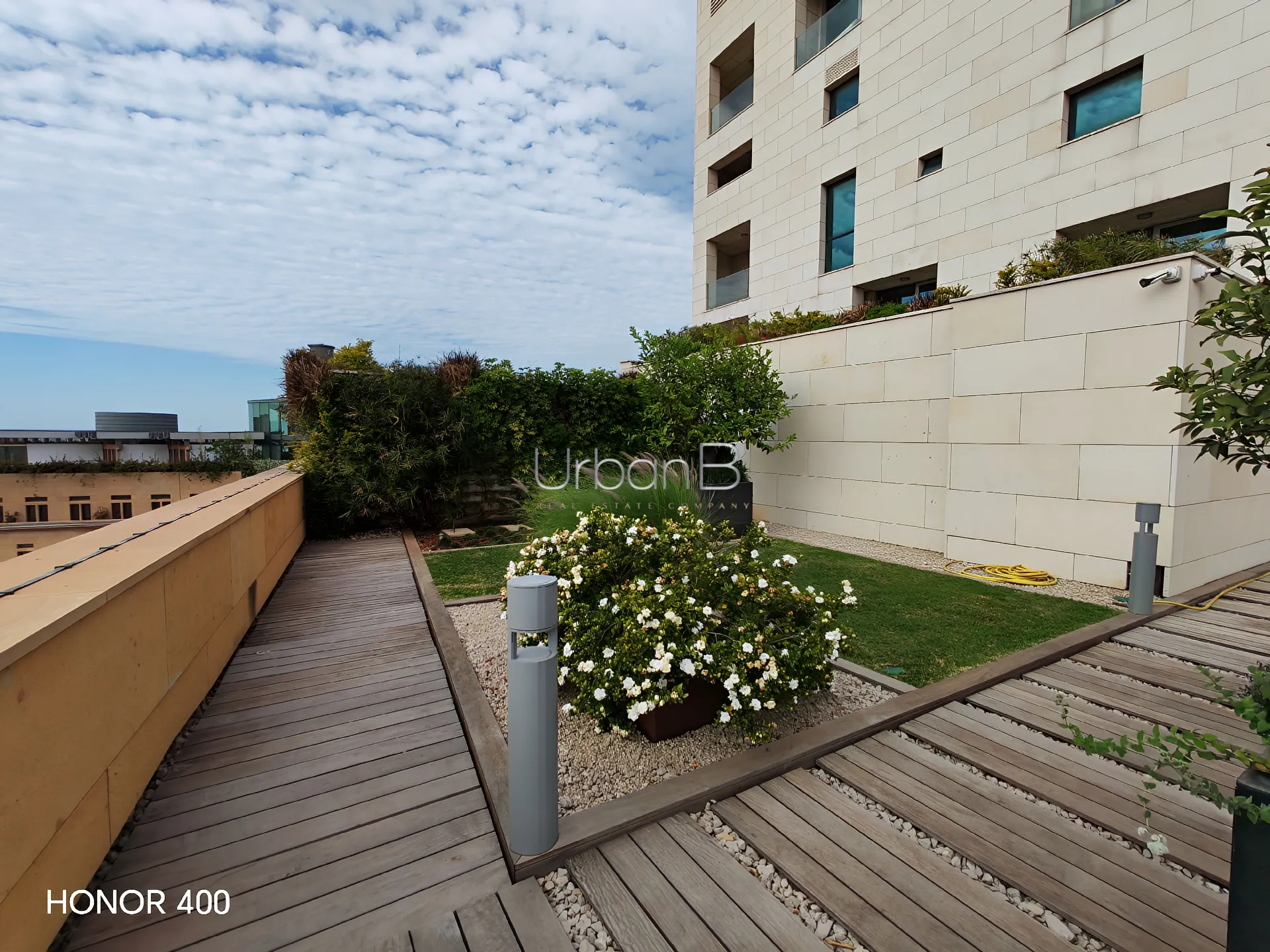
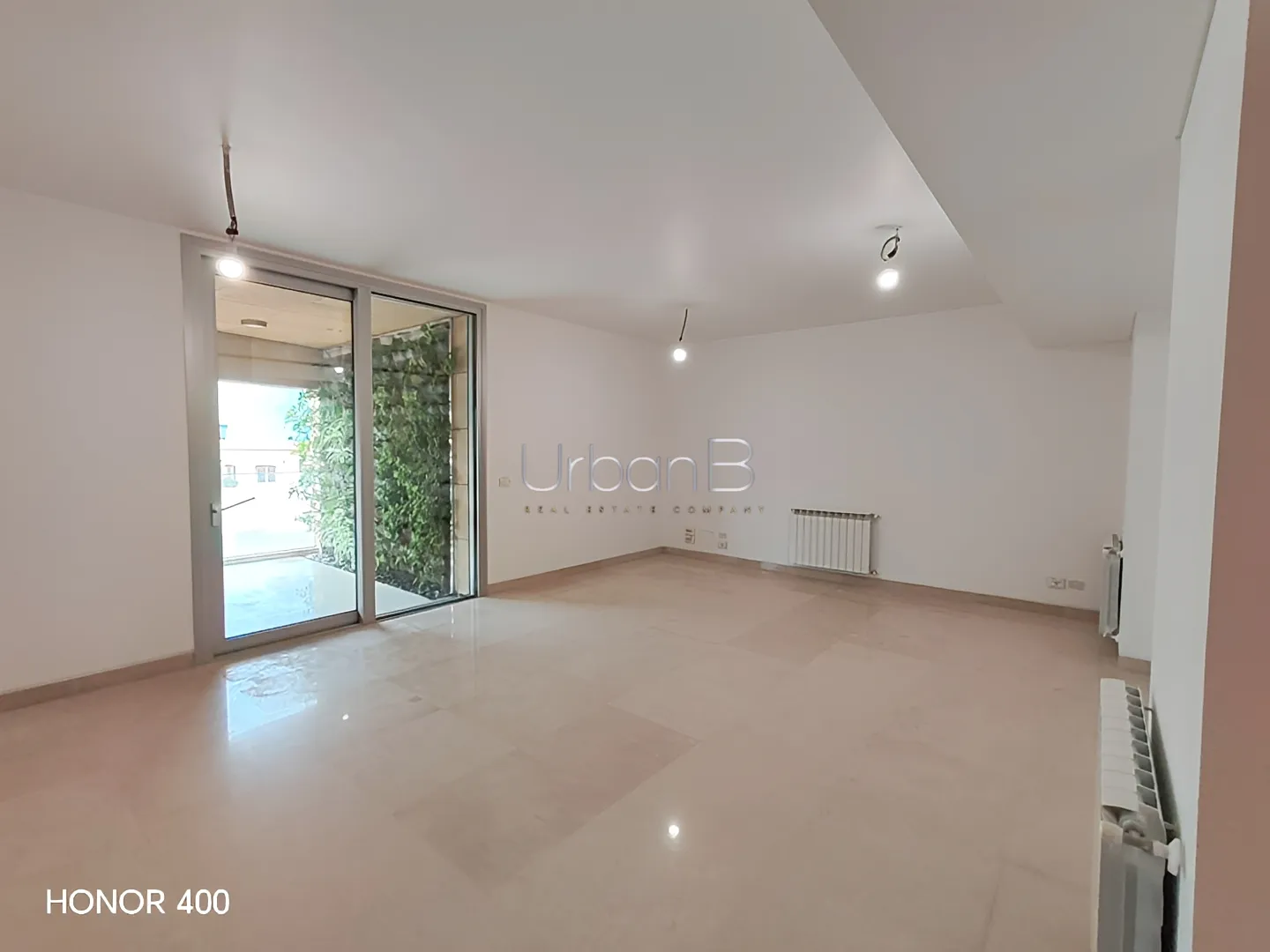
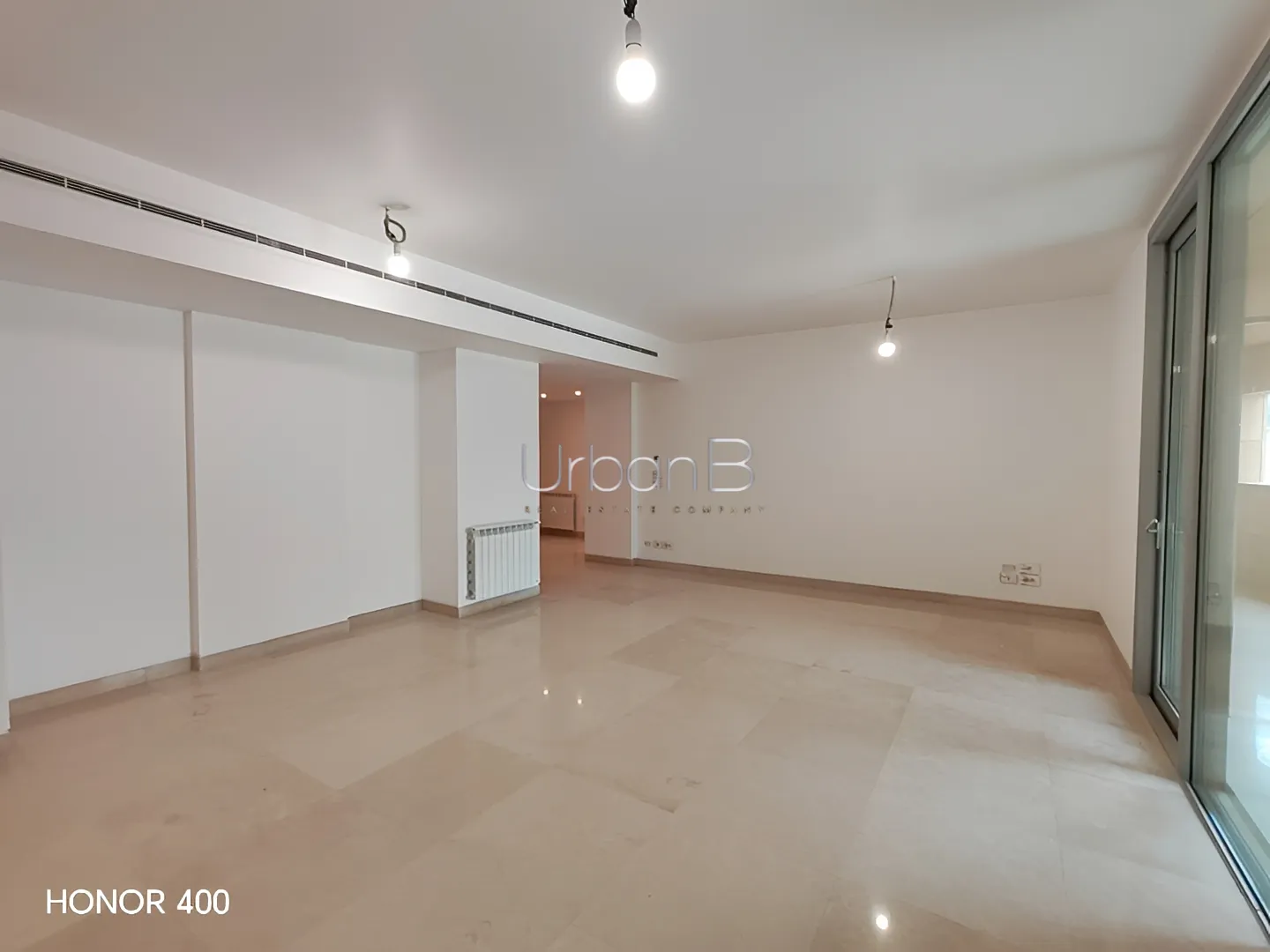
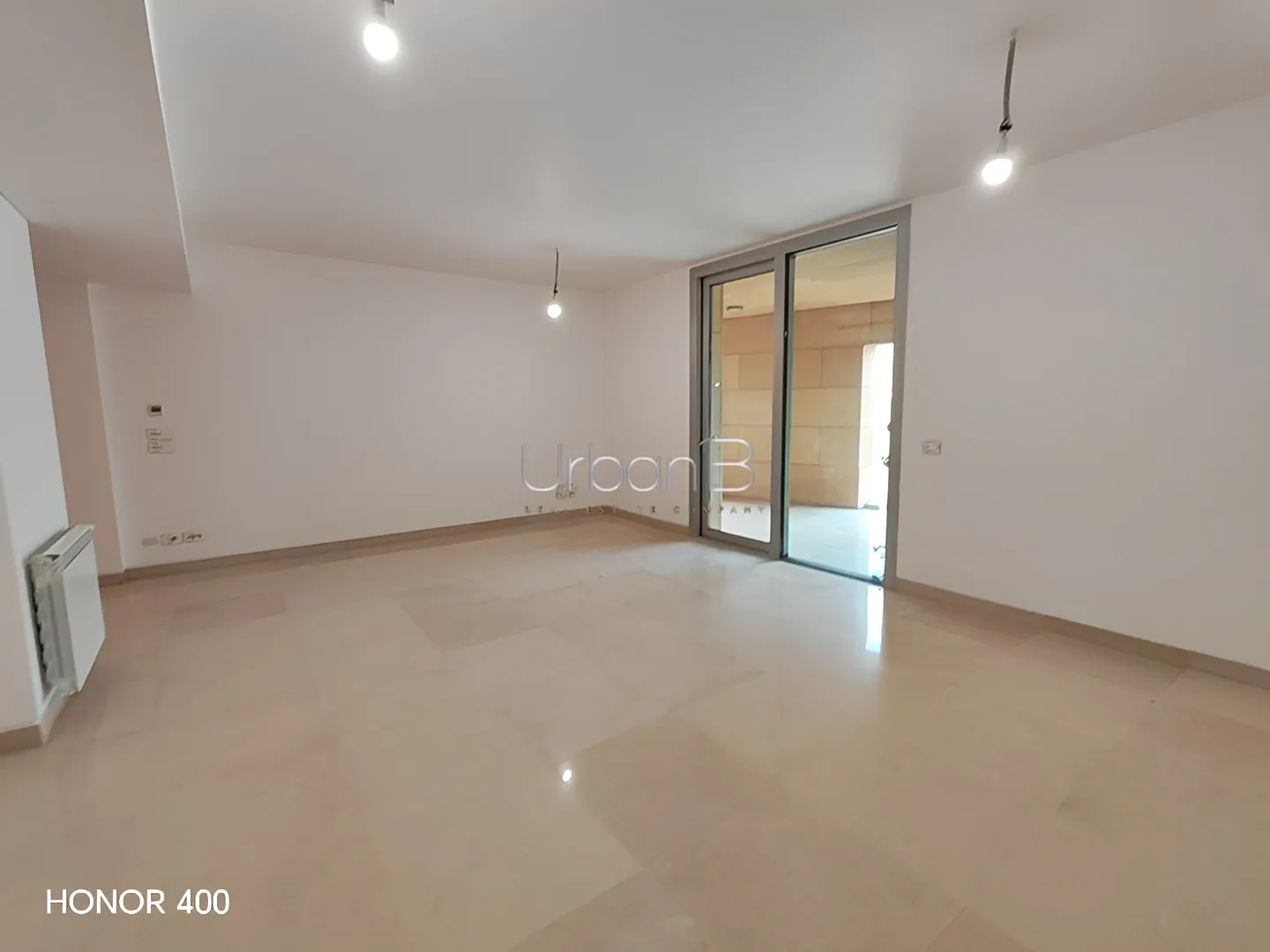
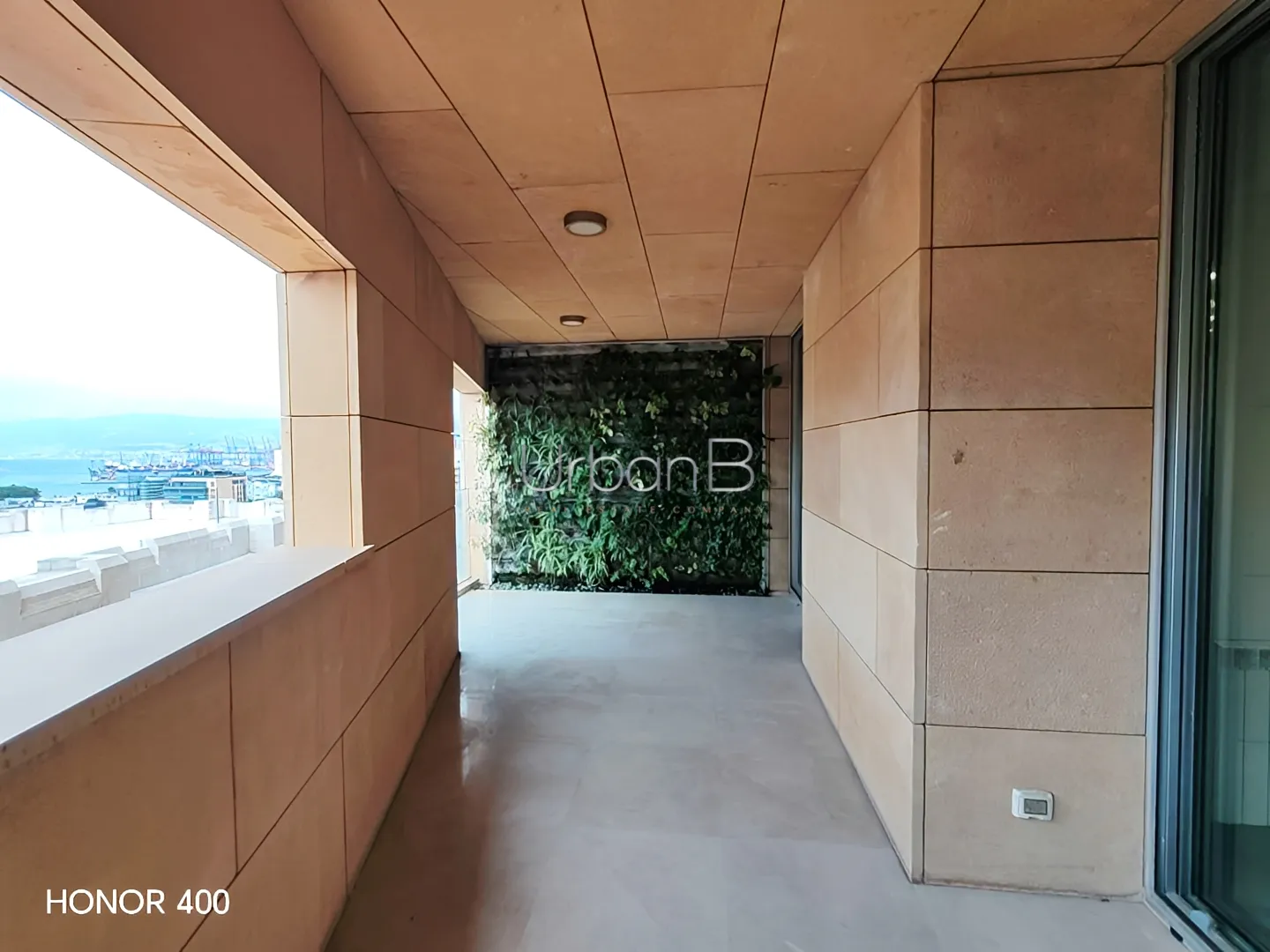
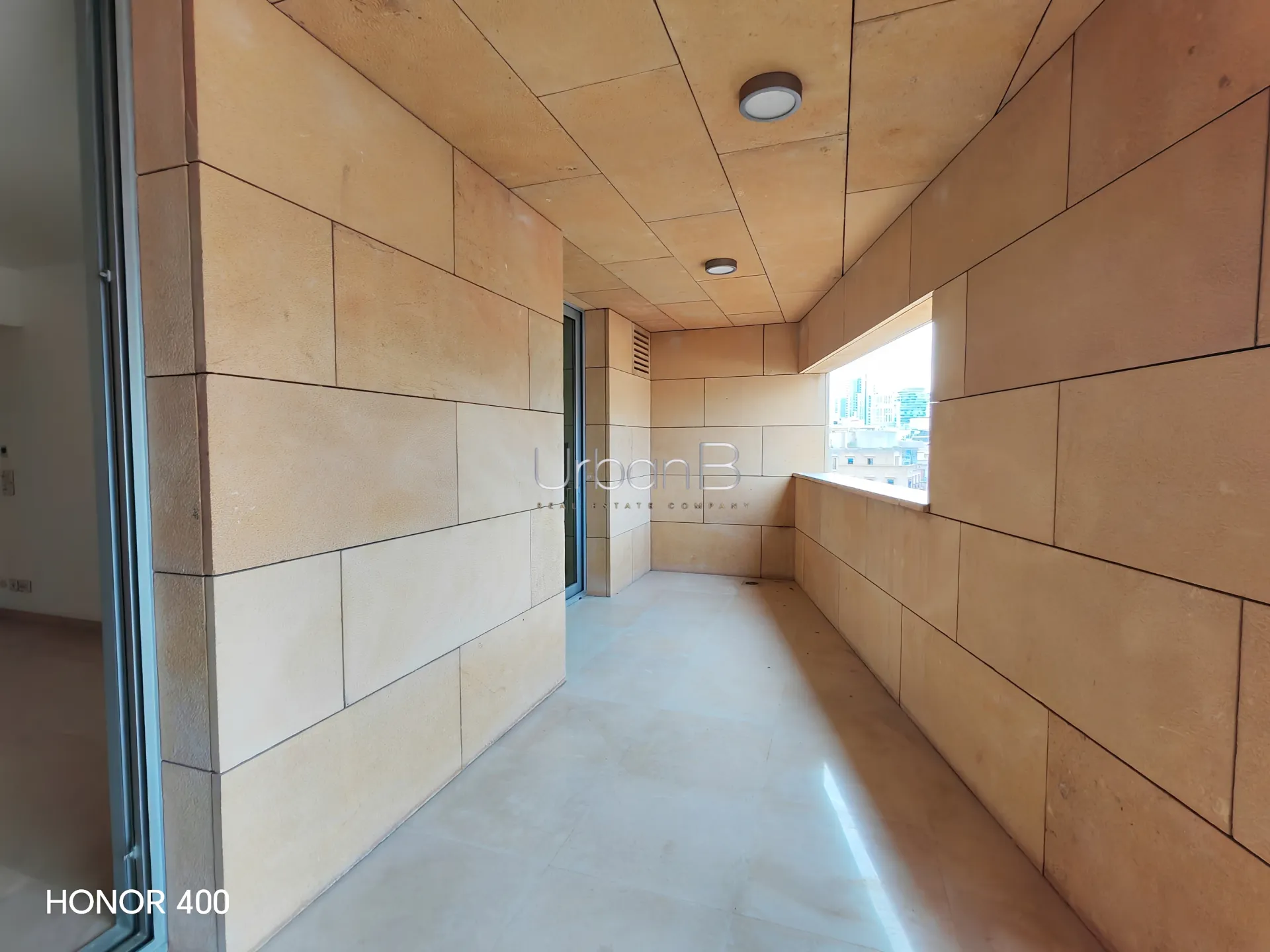
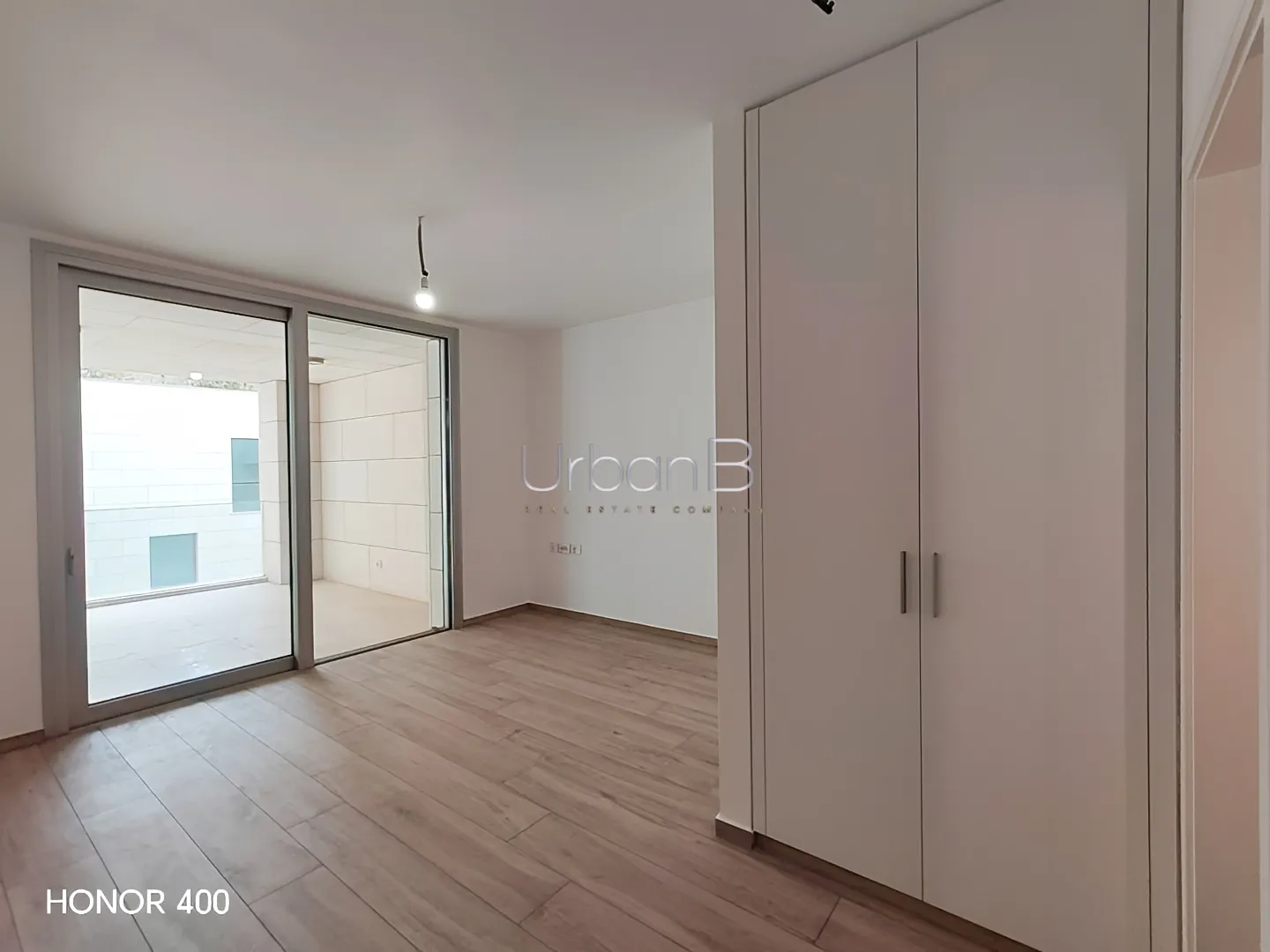
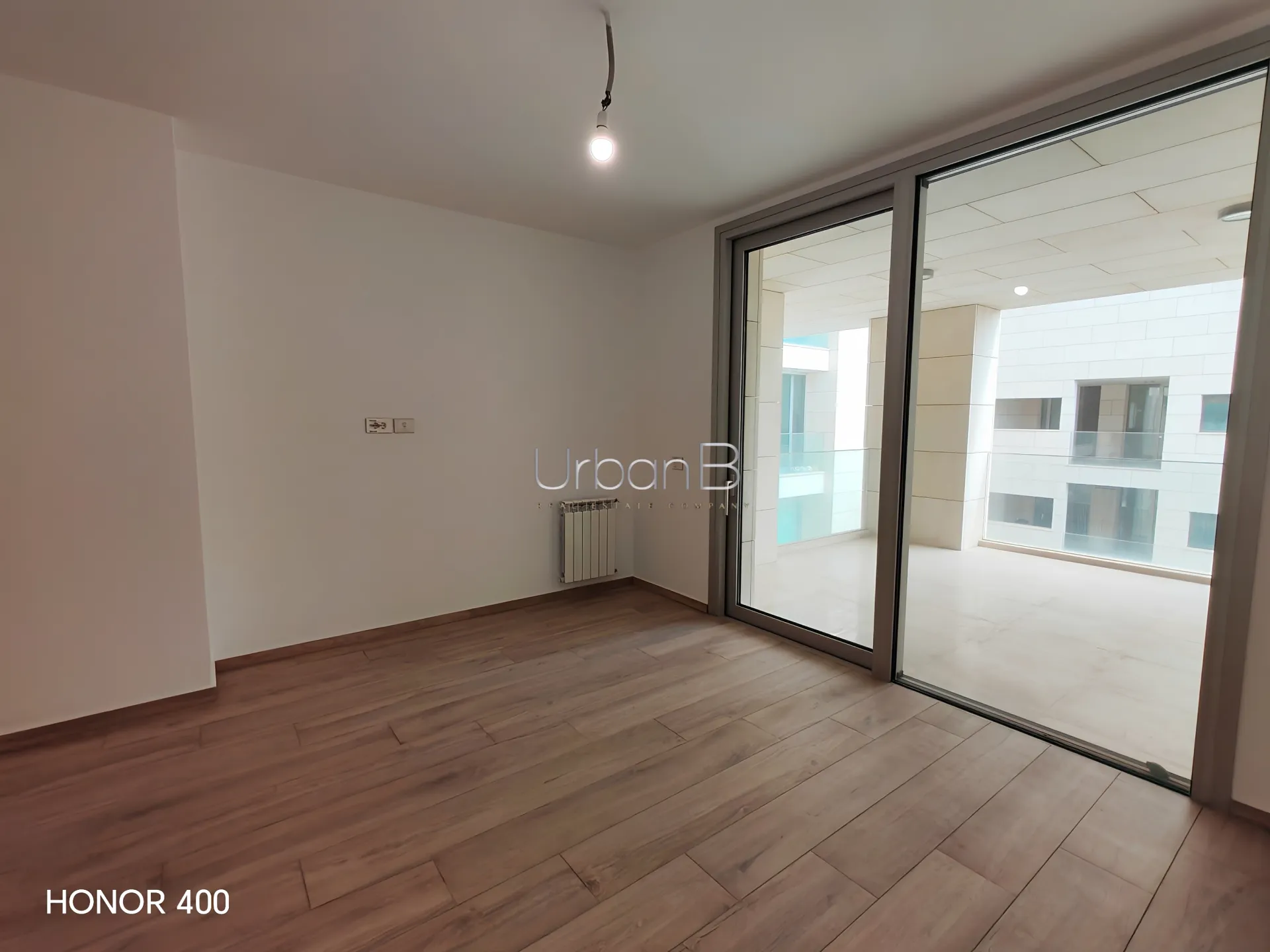
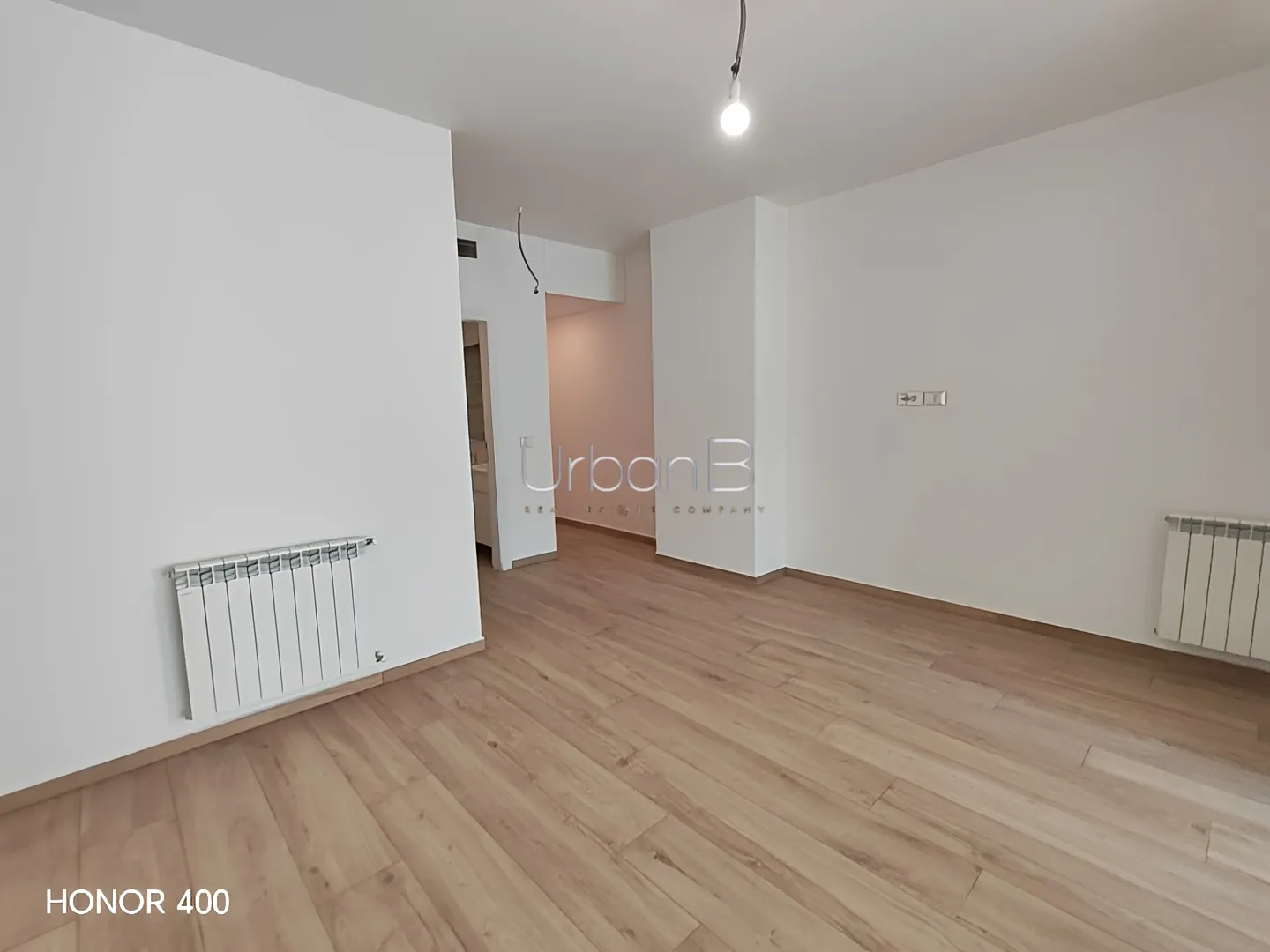
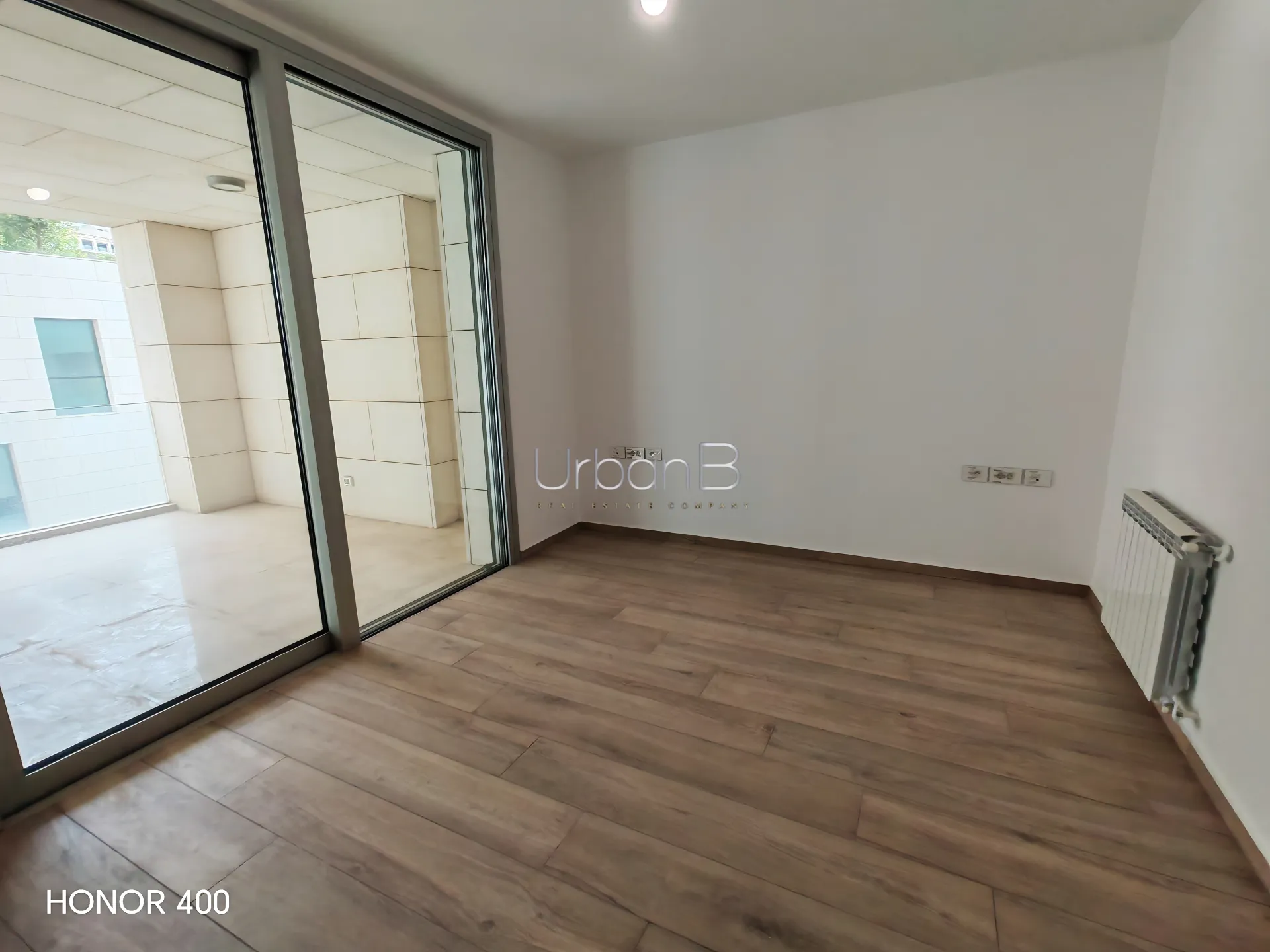
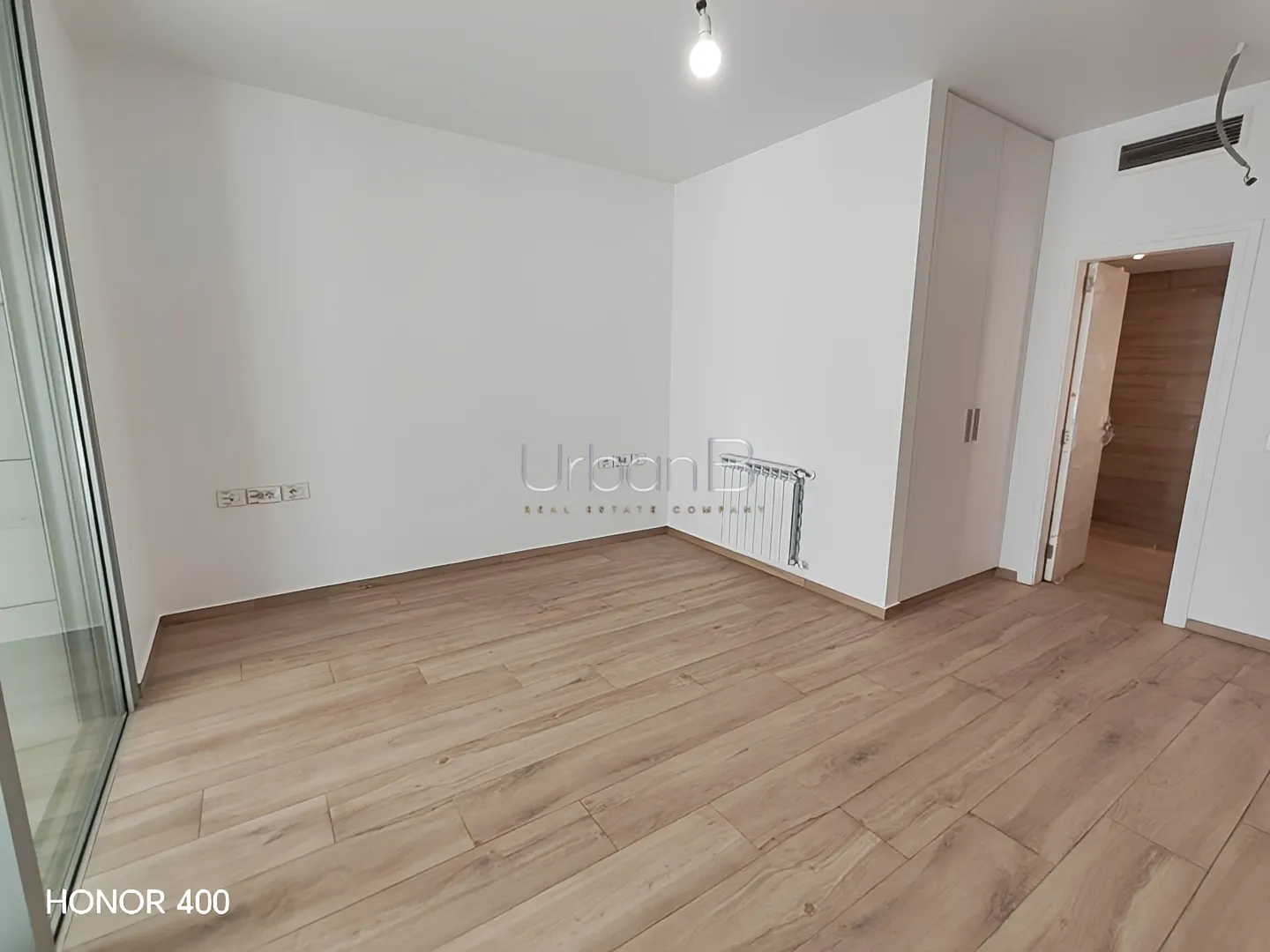
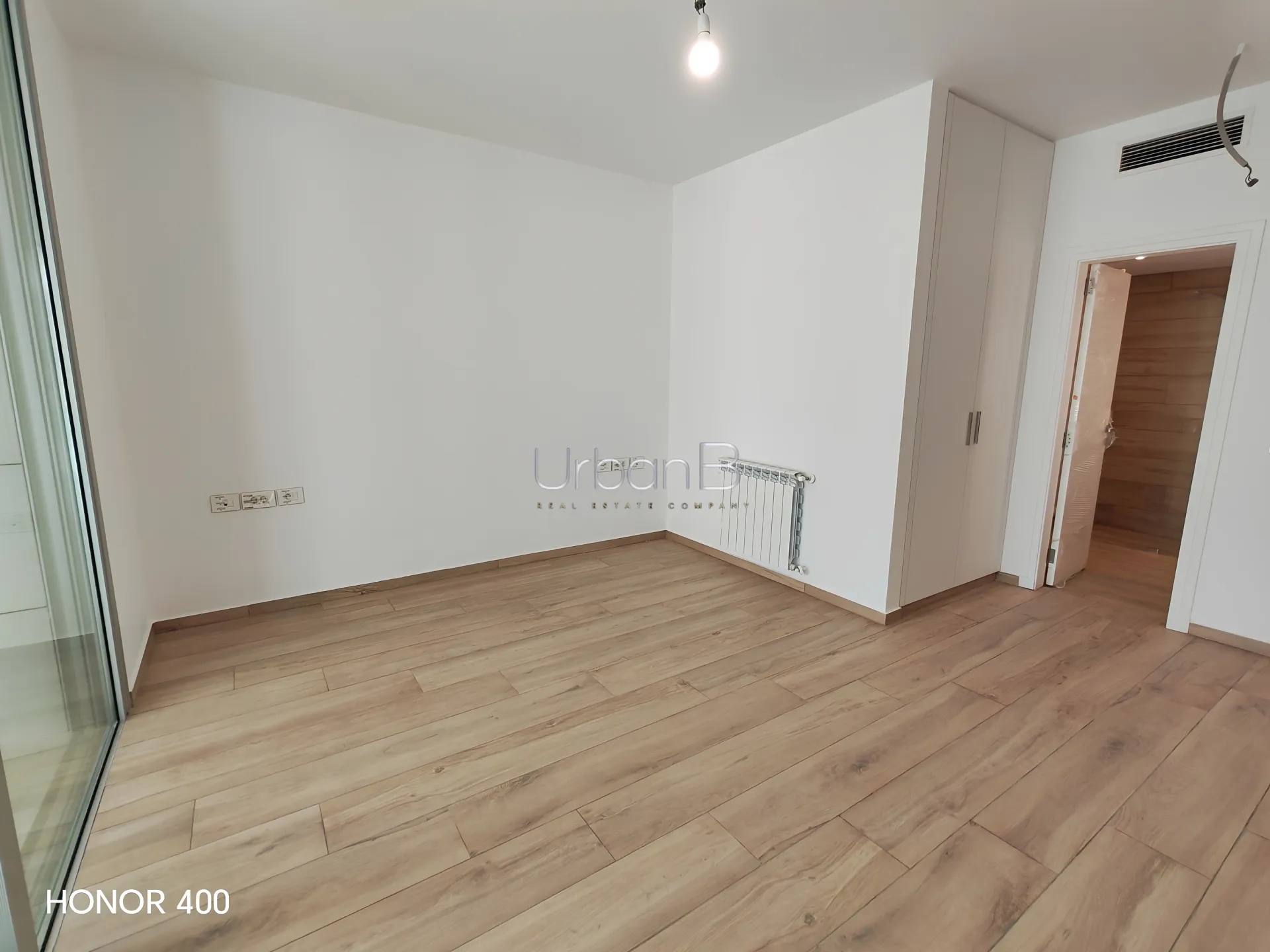
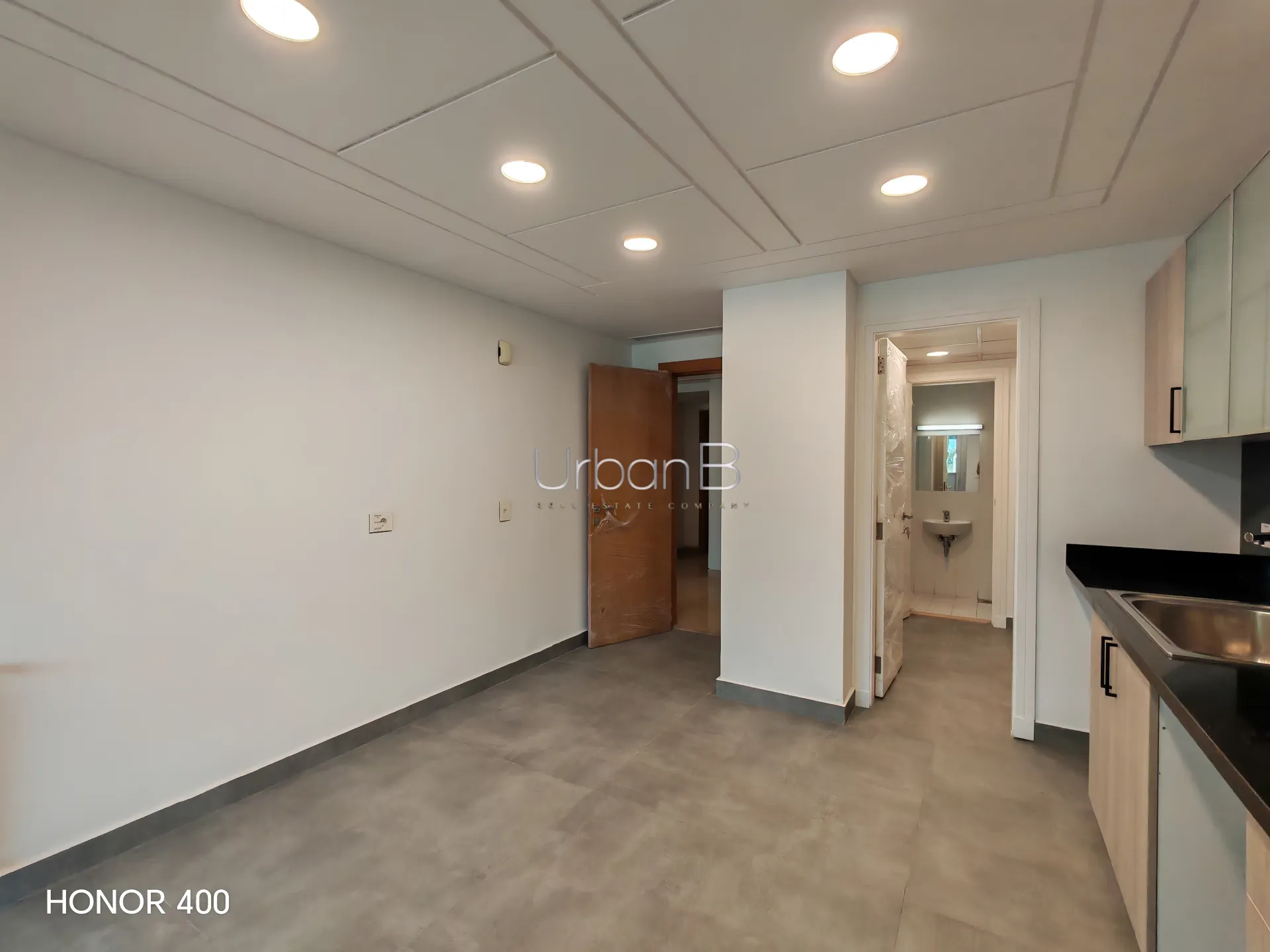
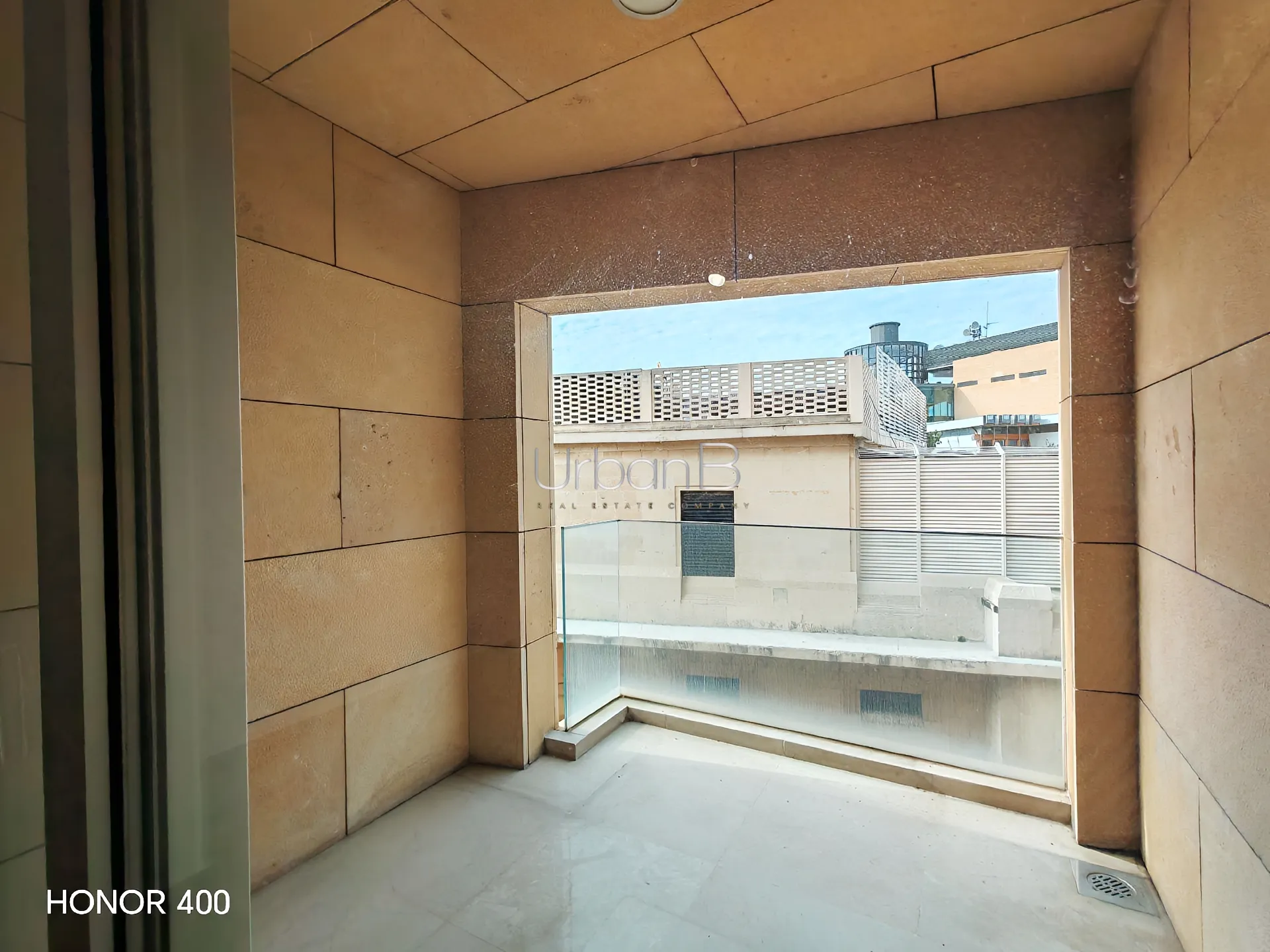
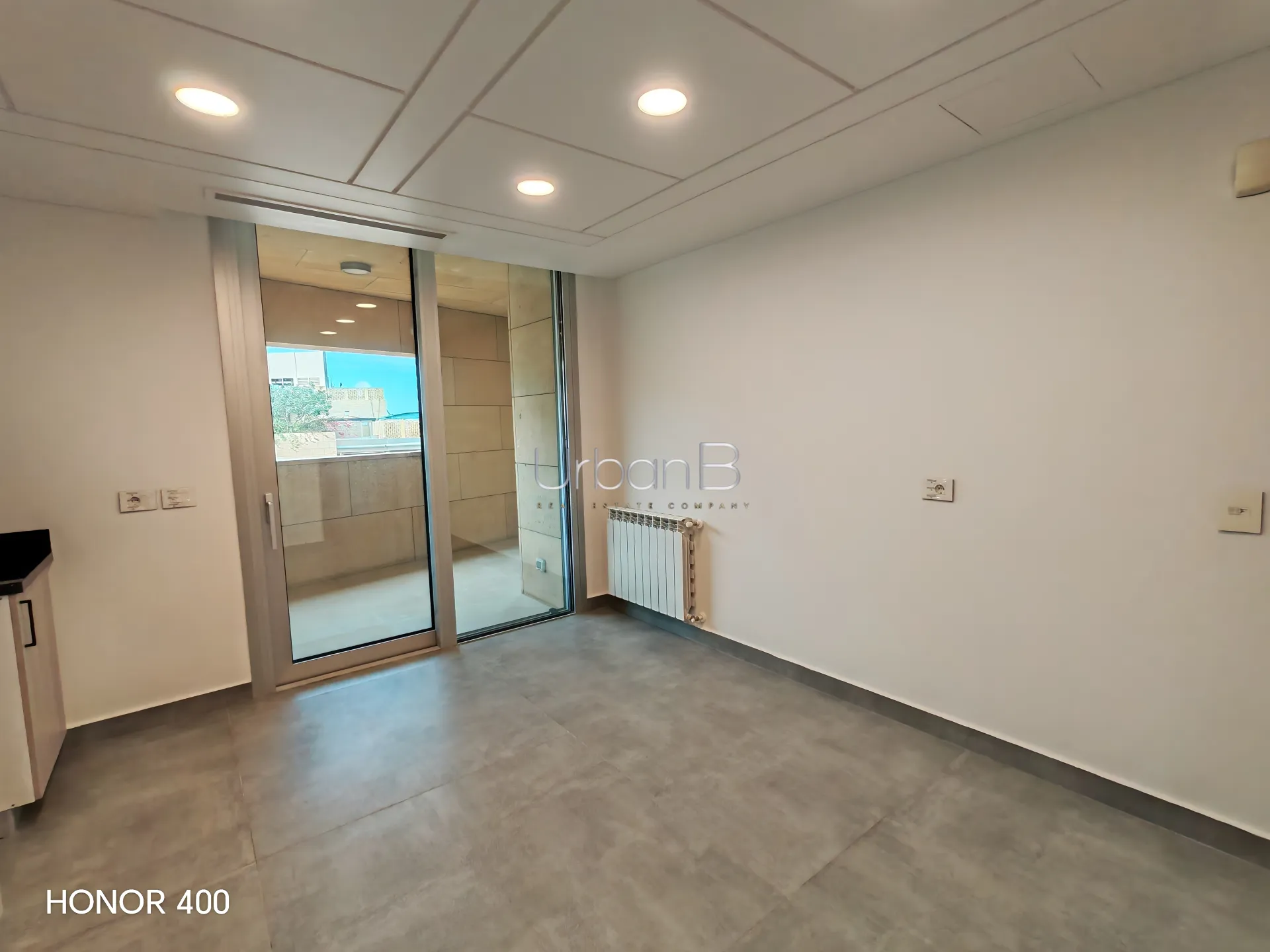
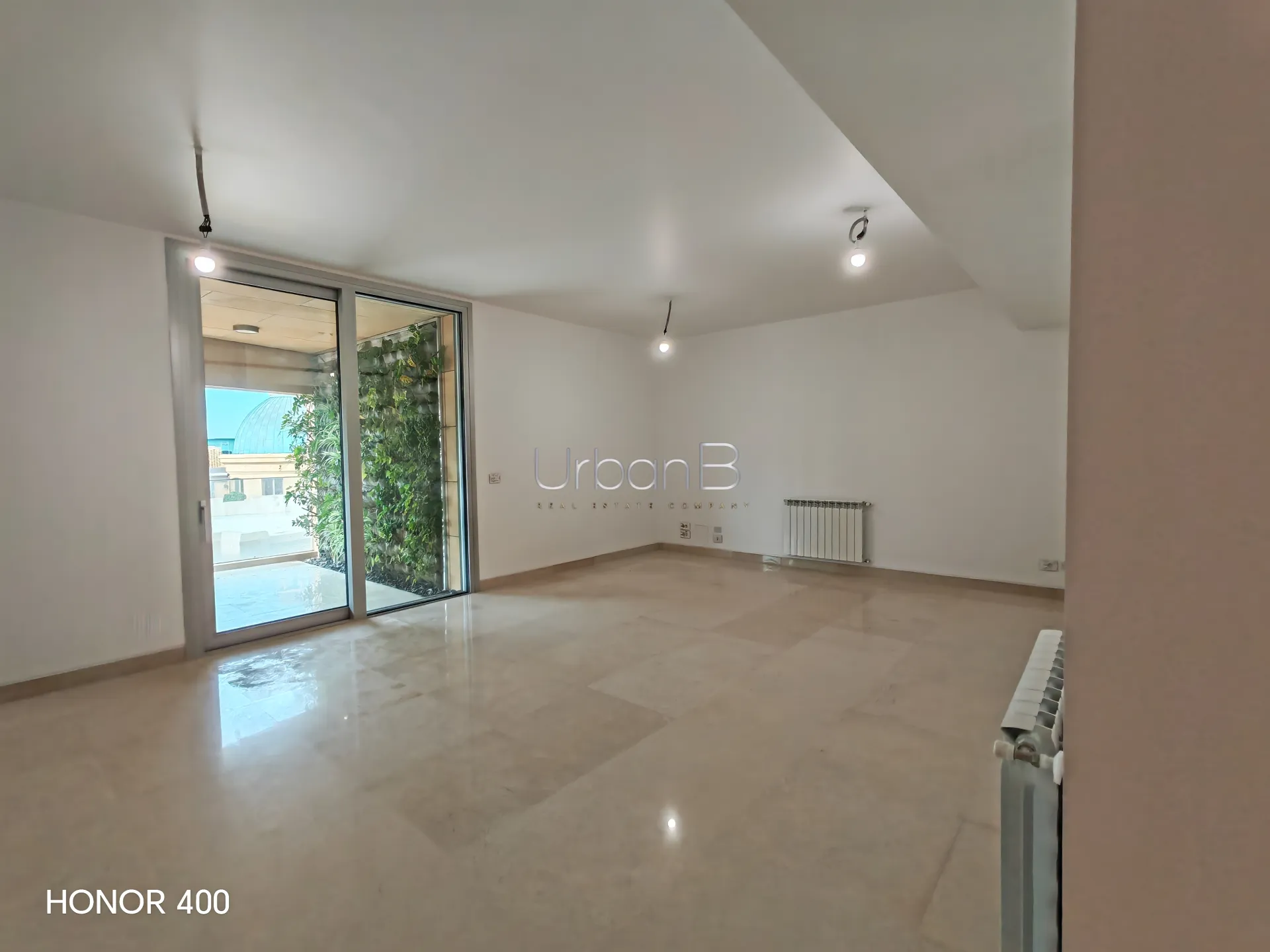
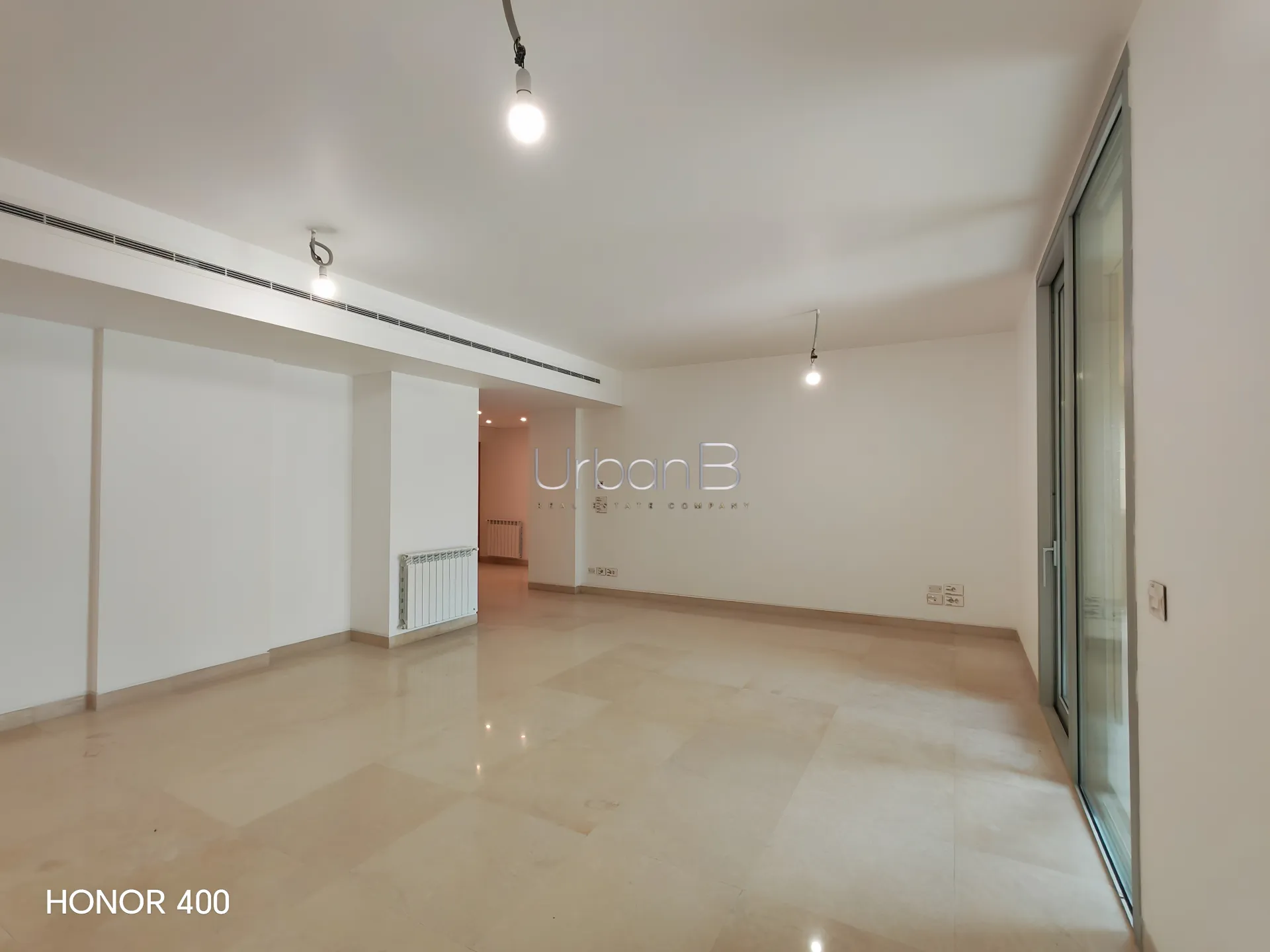
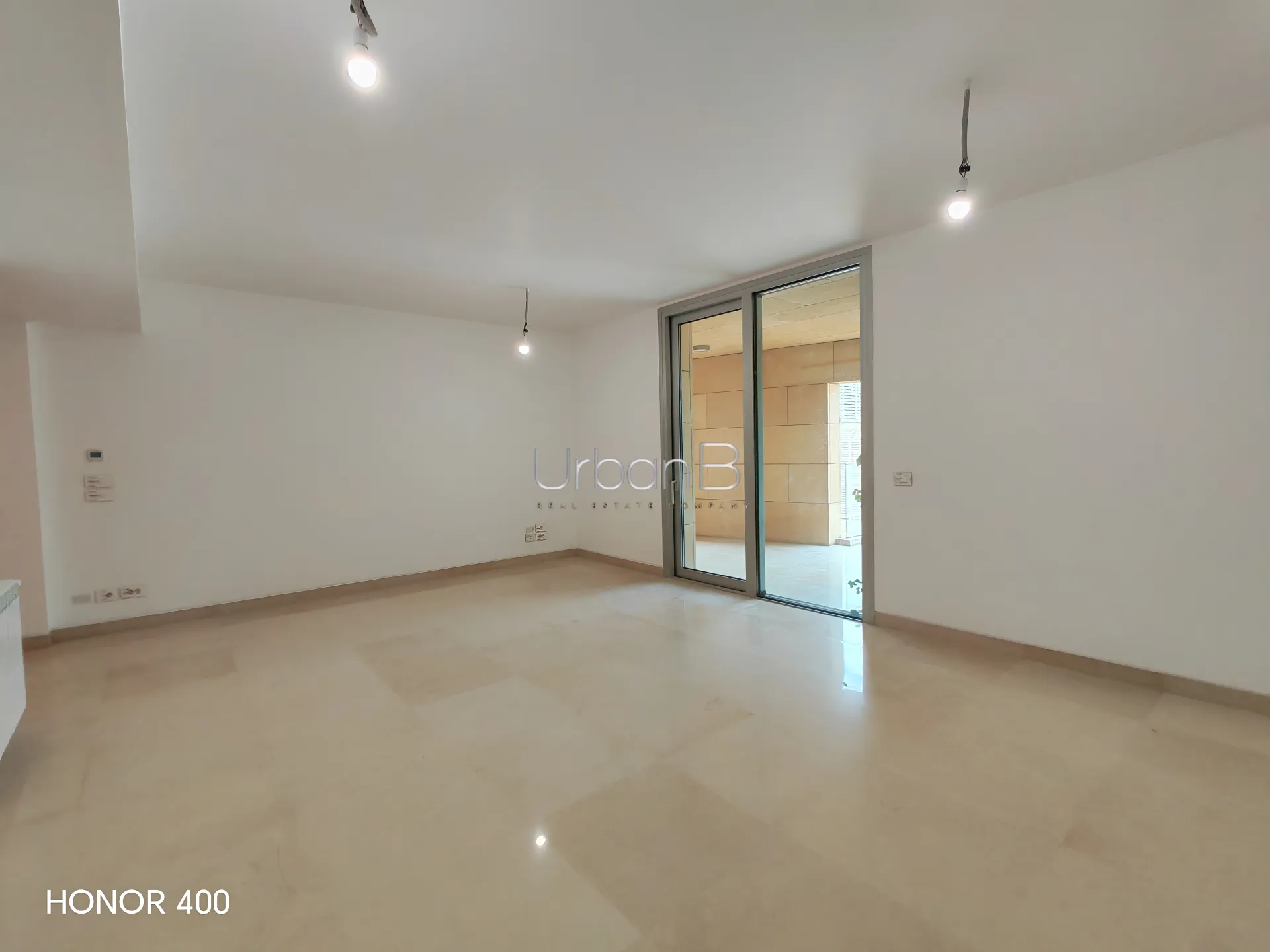
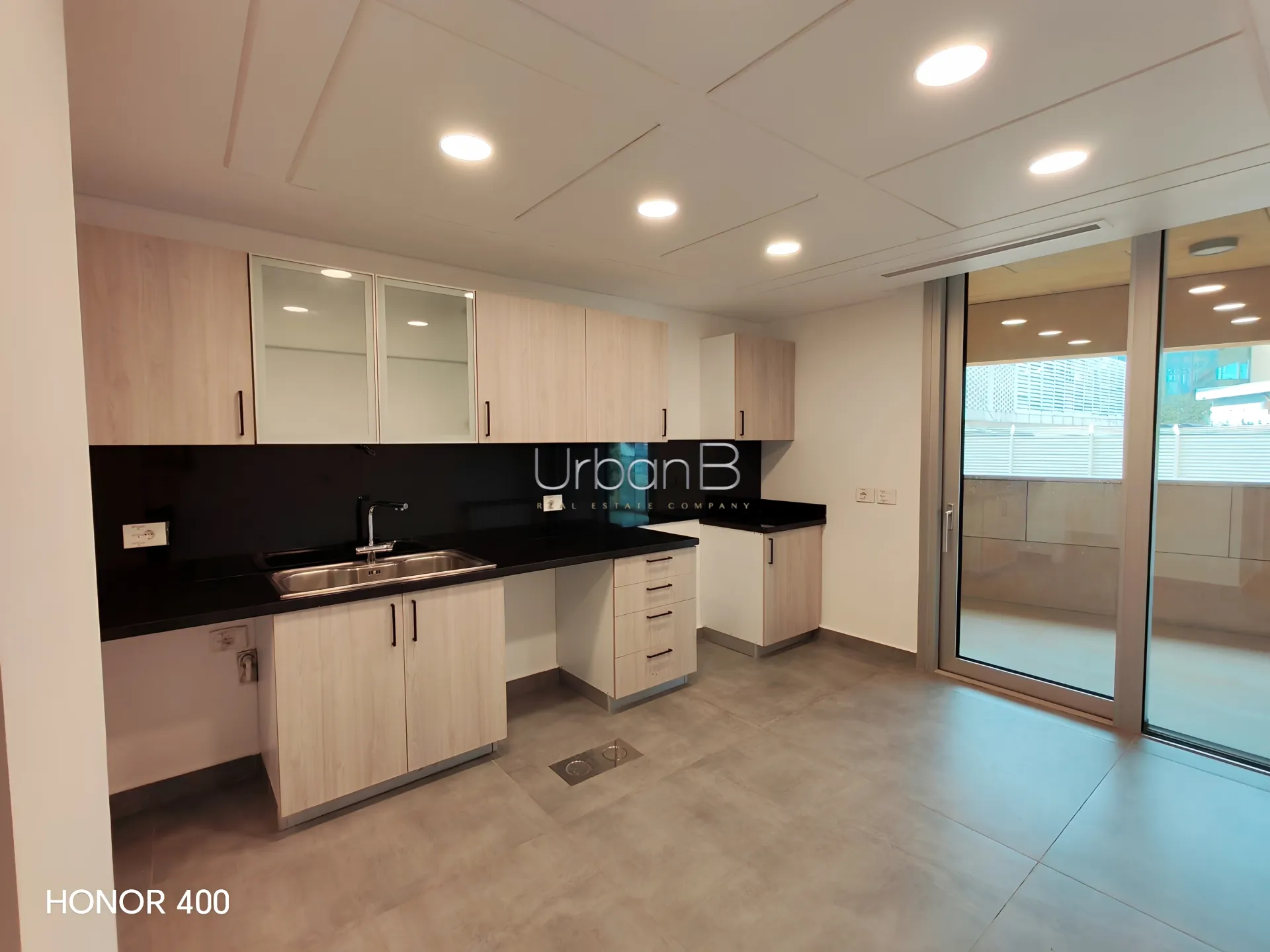
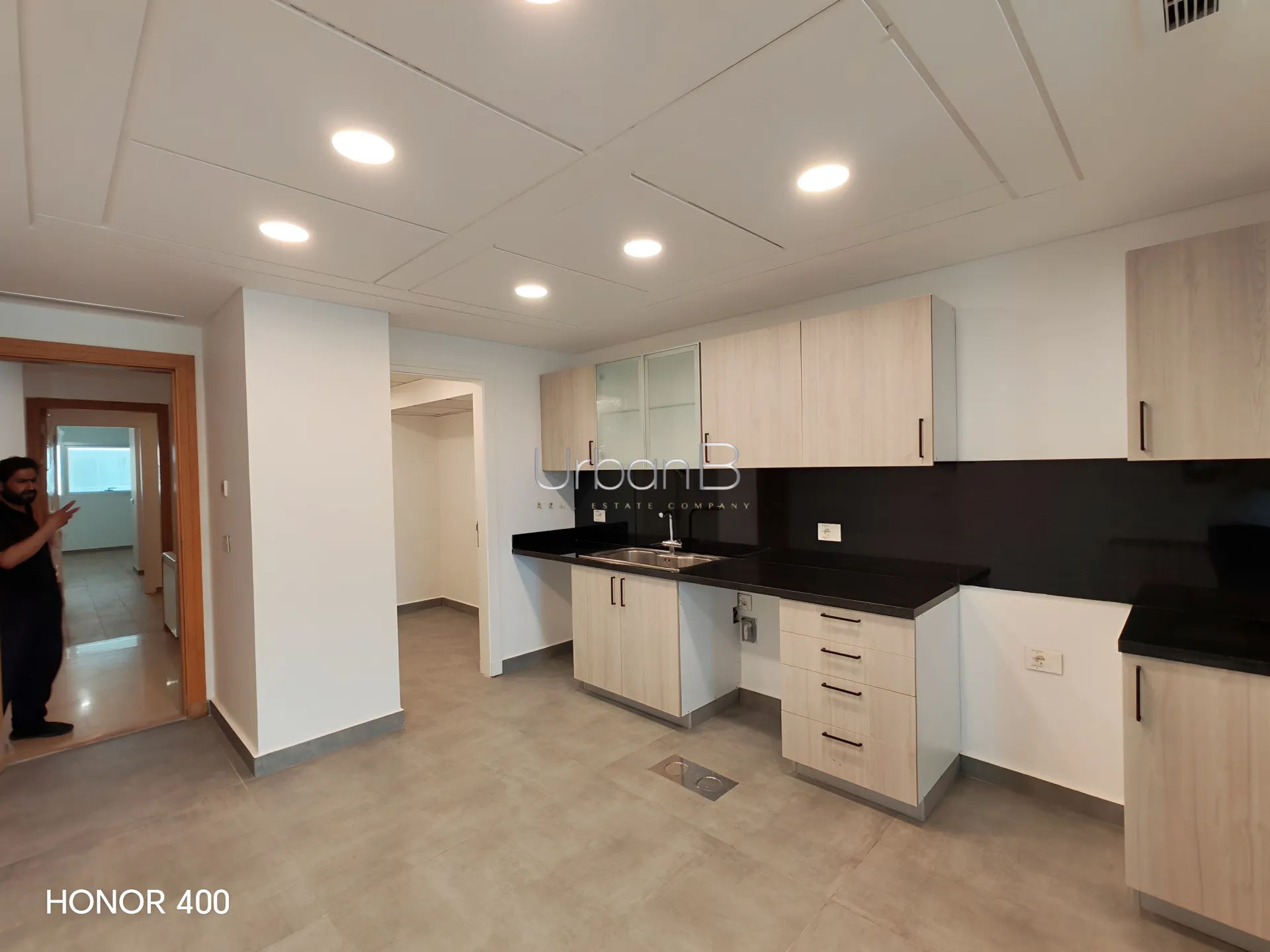
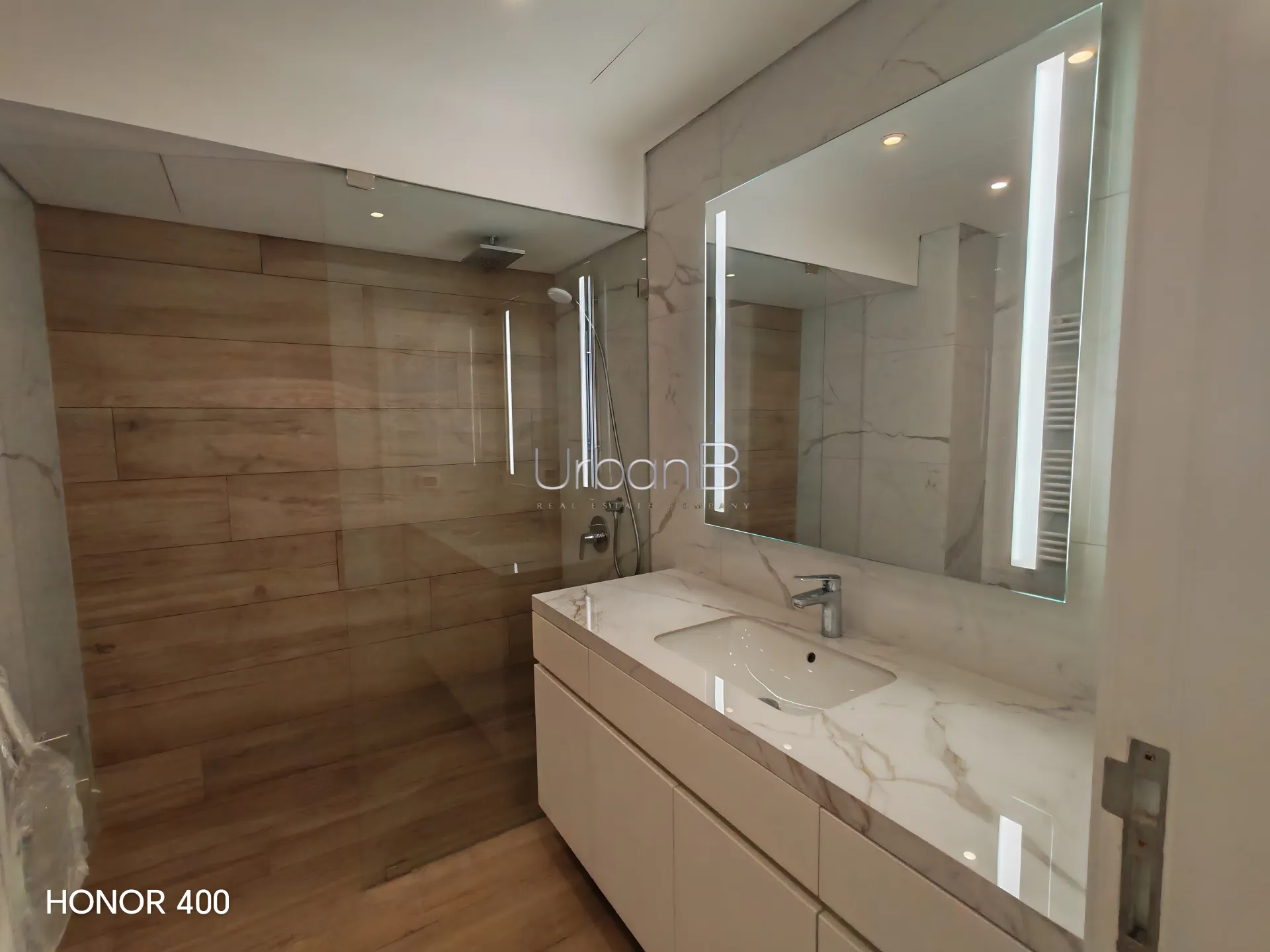
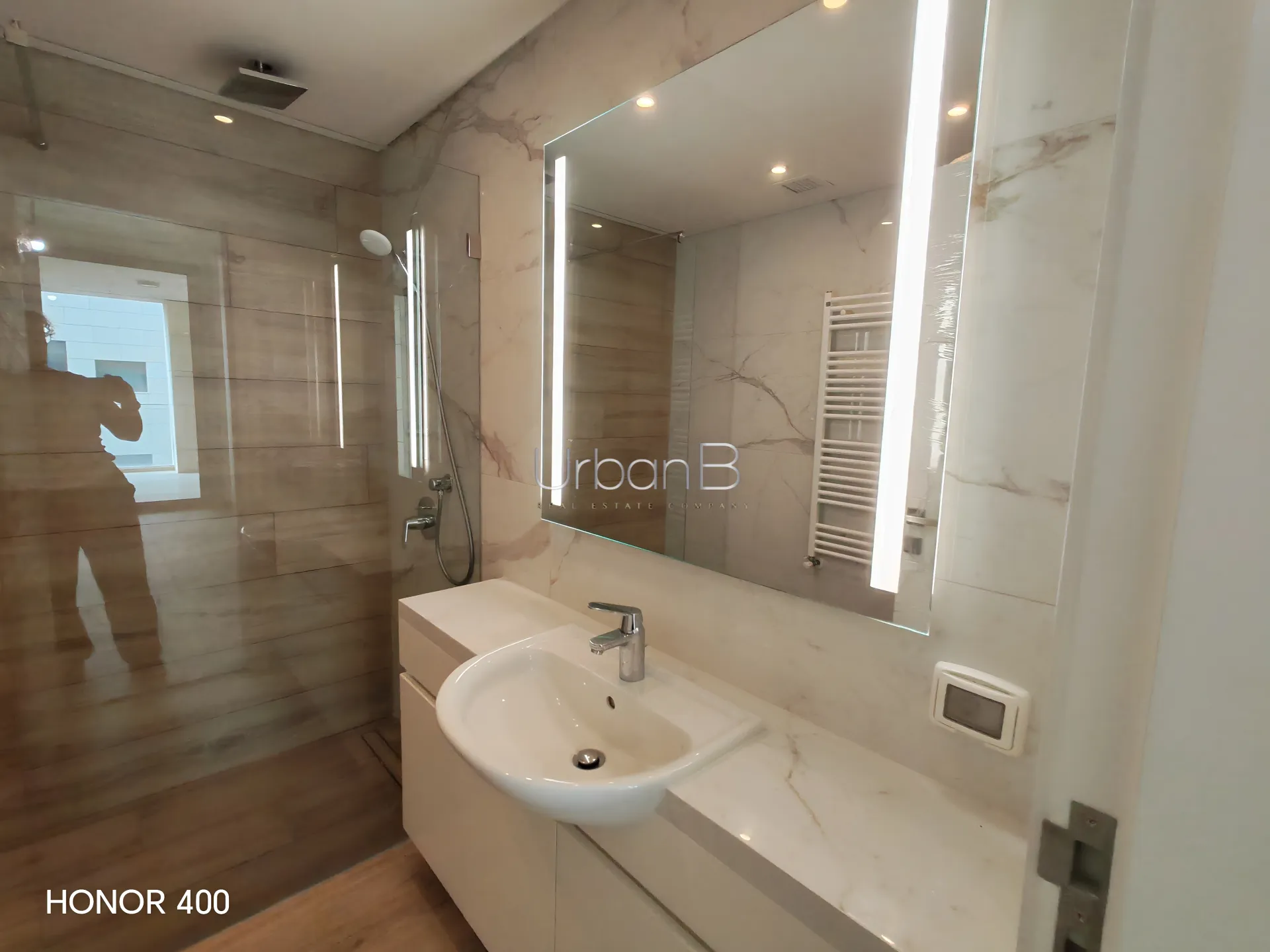
3 |
3.5 |
270 m²

Urban B
3 |
3.0 |
225 m²
Delta Real Estate
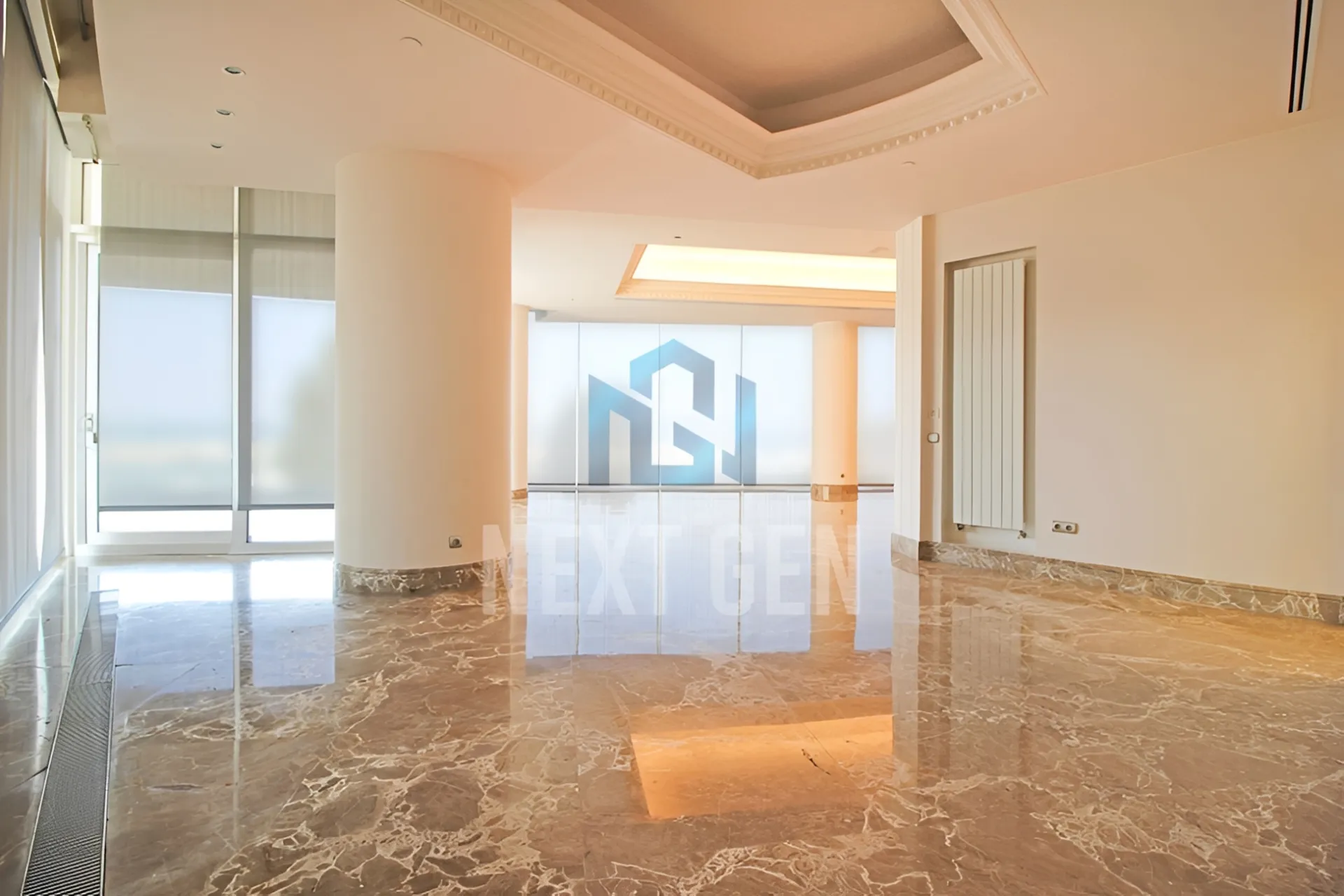
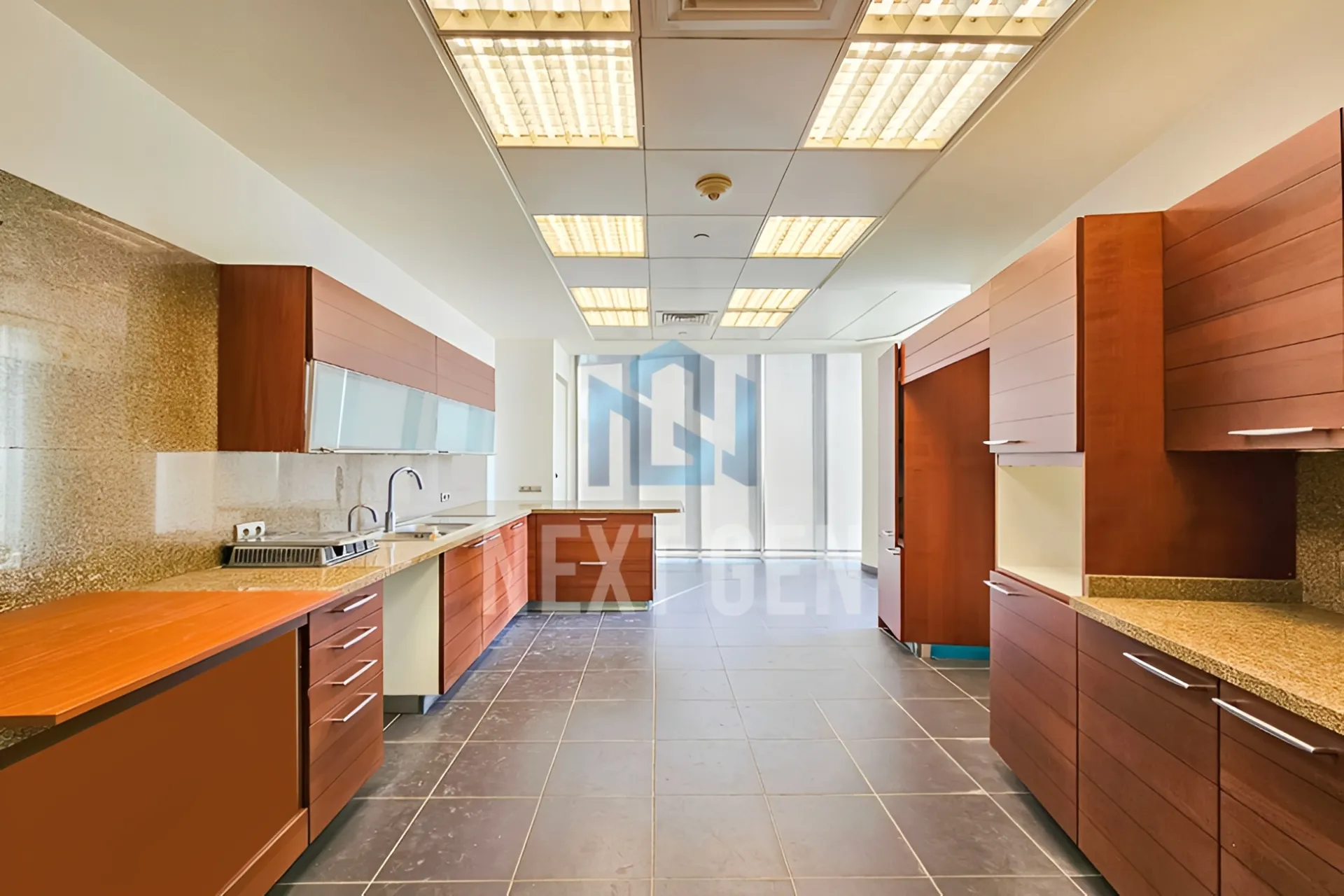
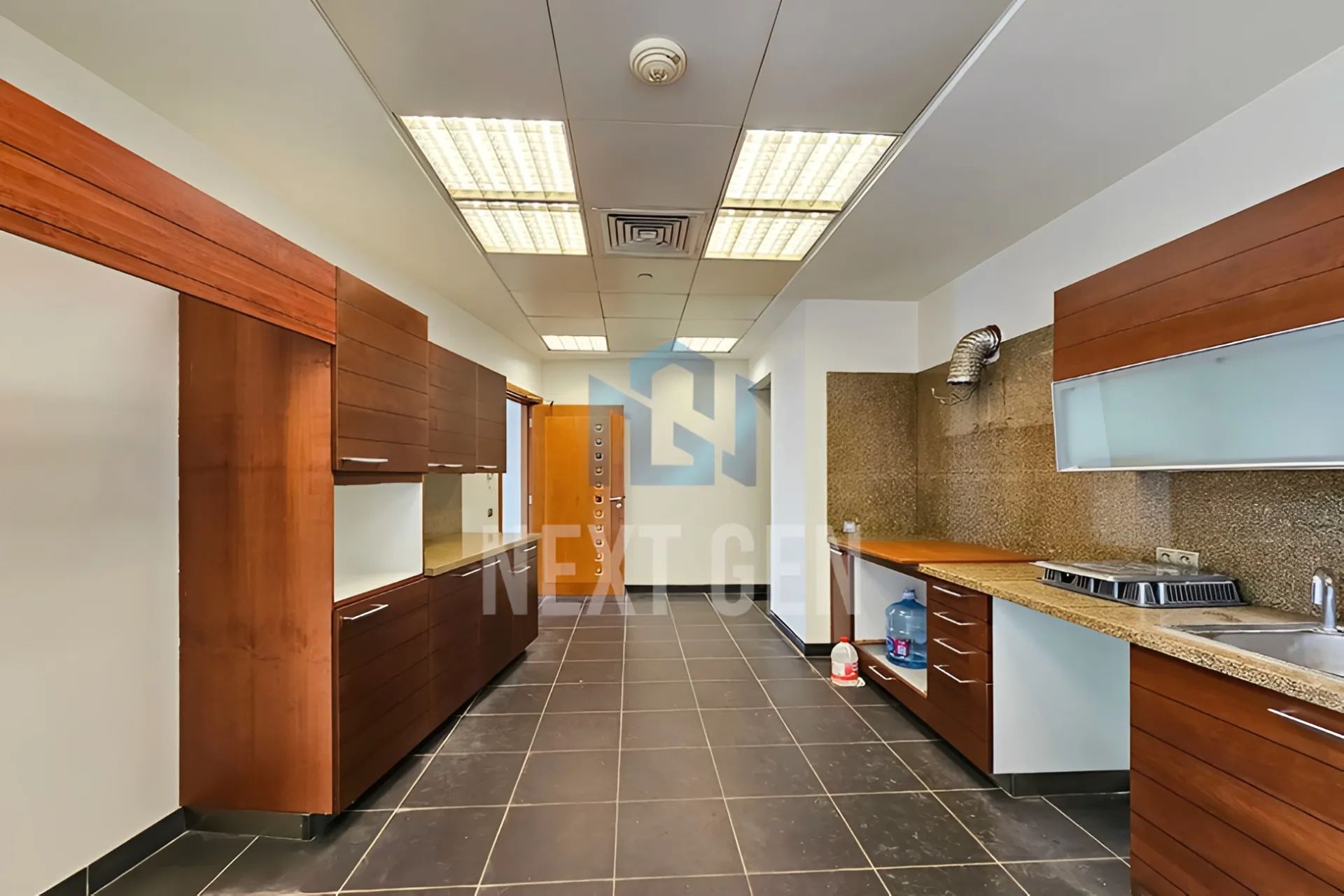
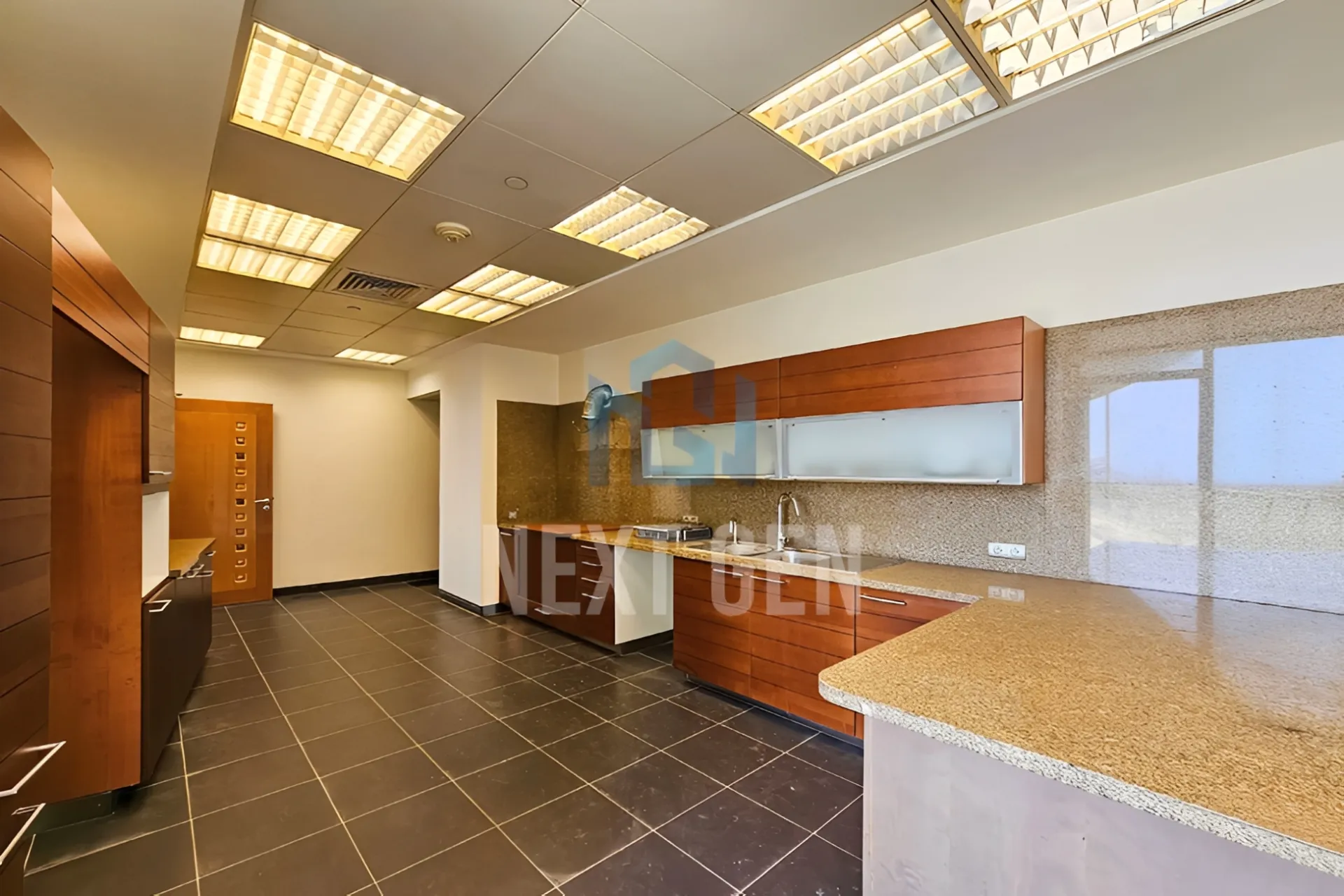
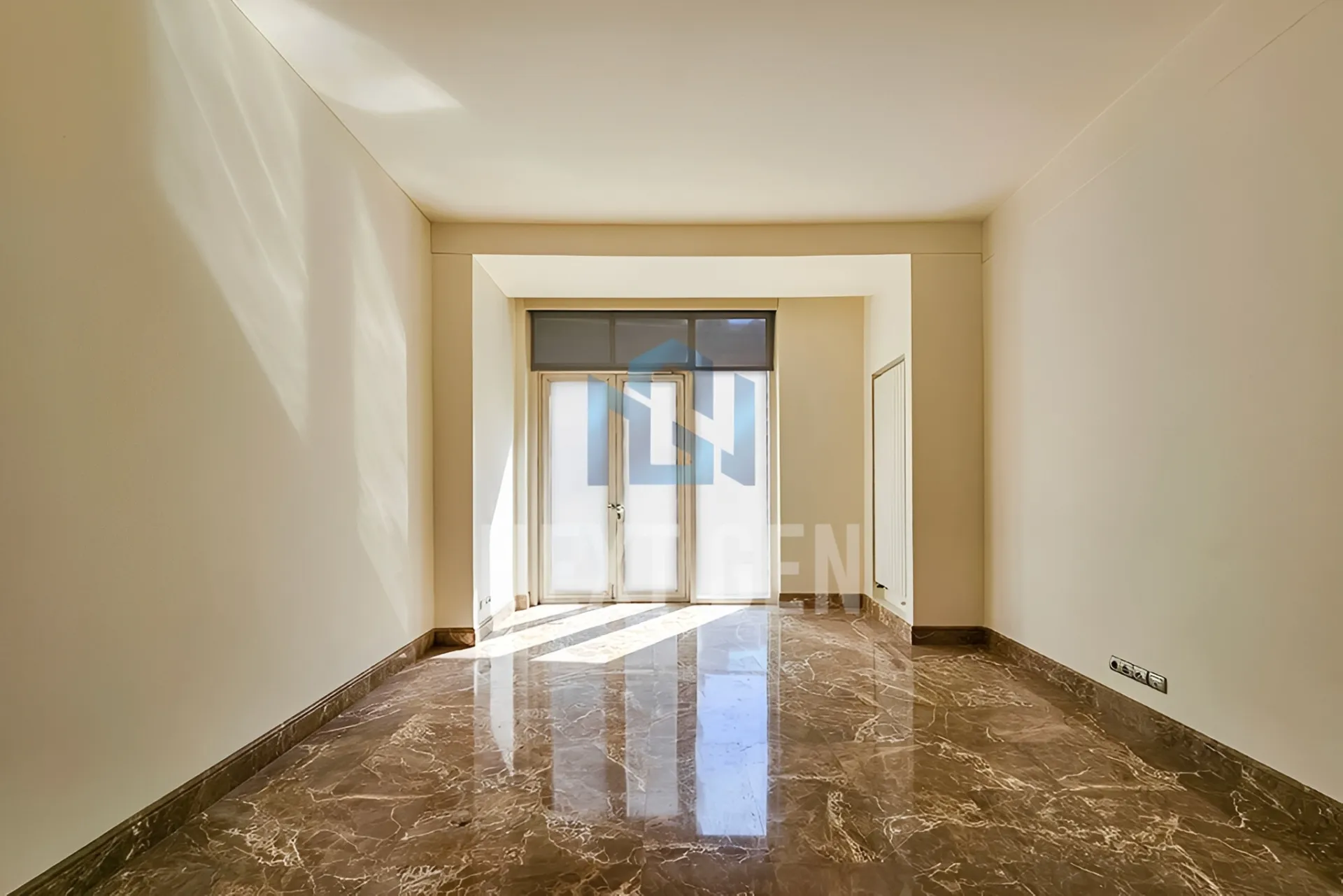
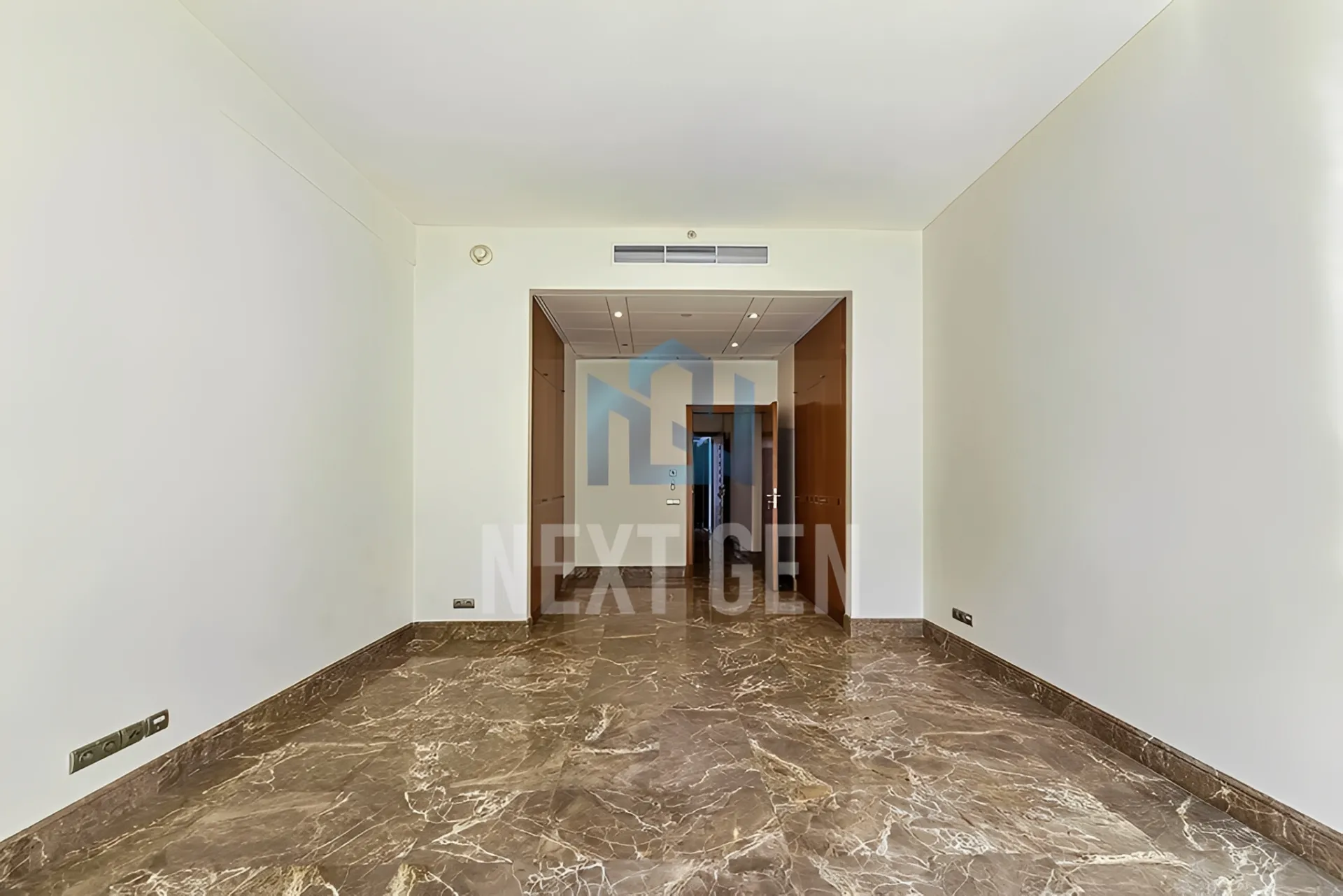
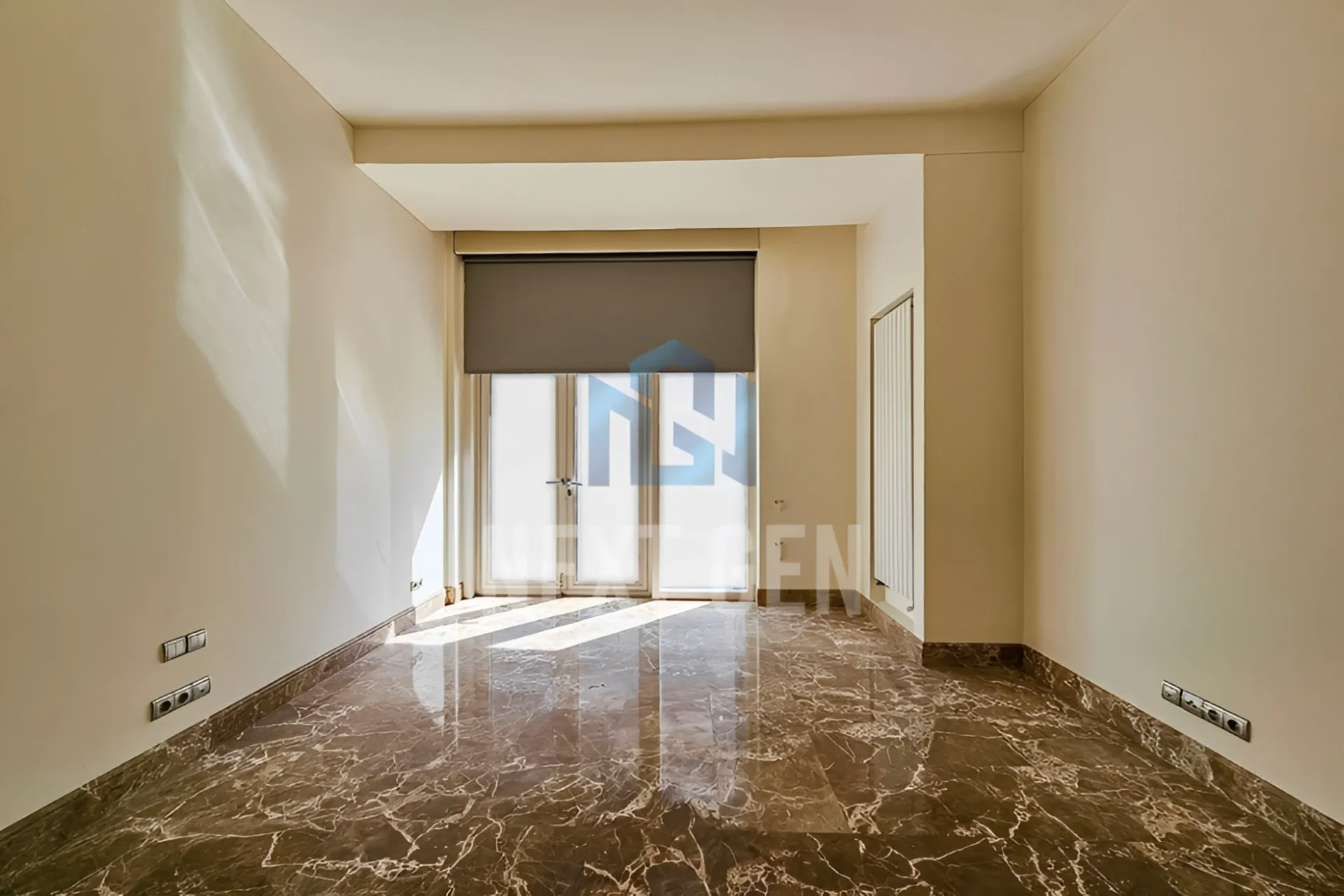
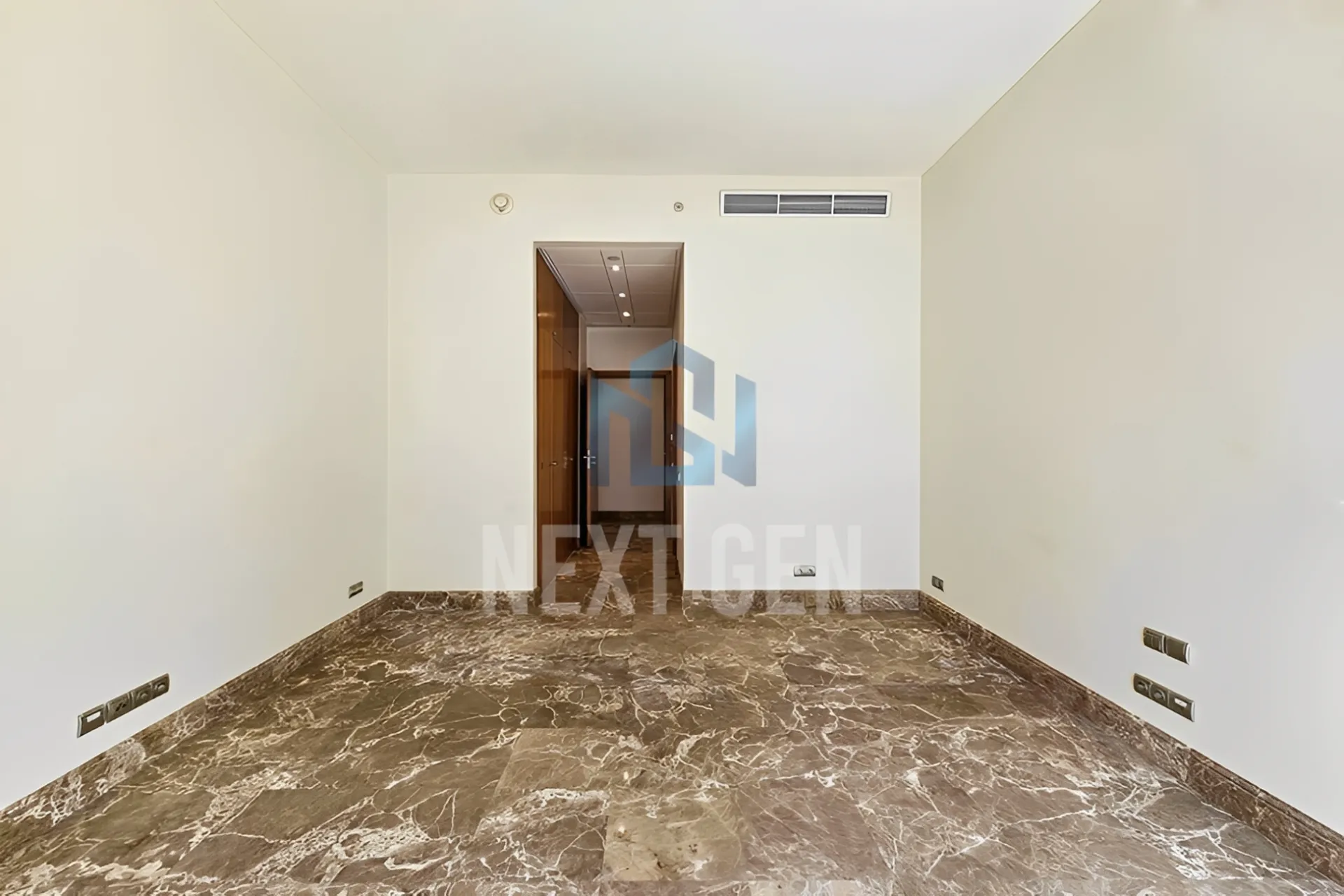
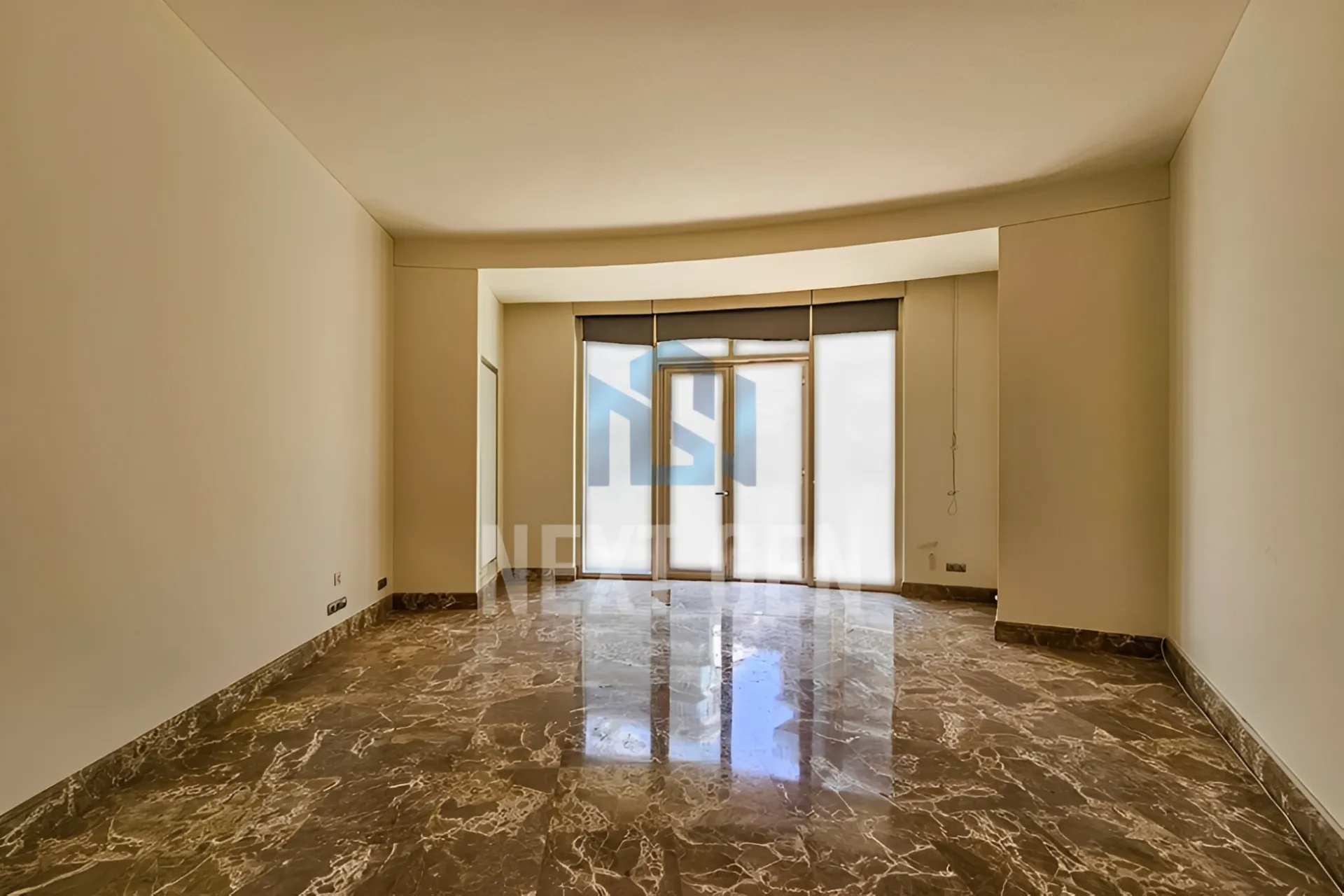
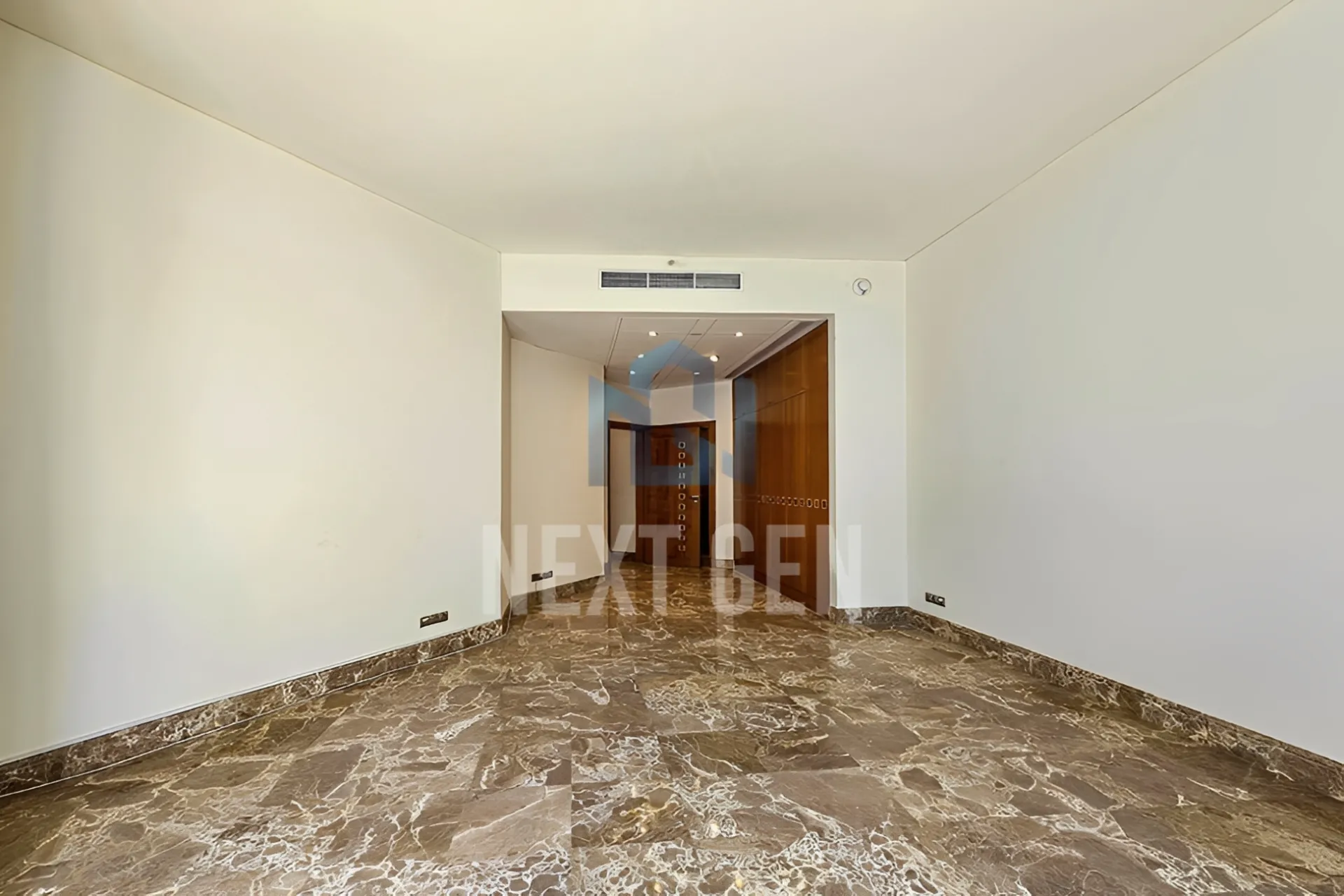
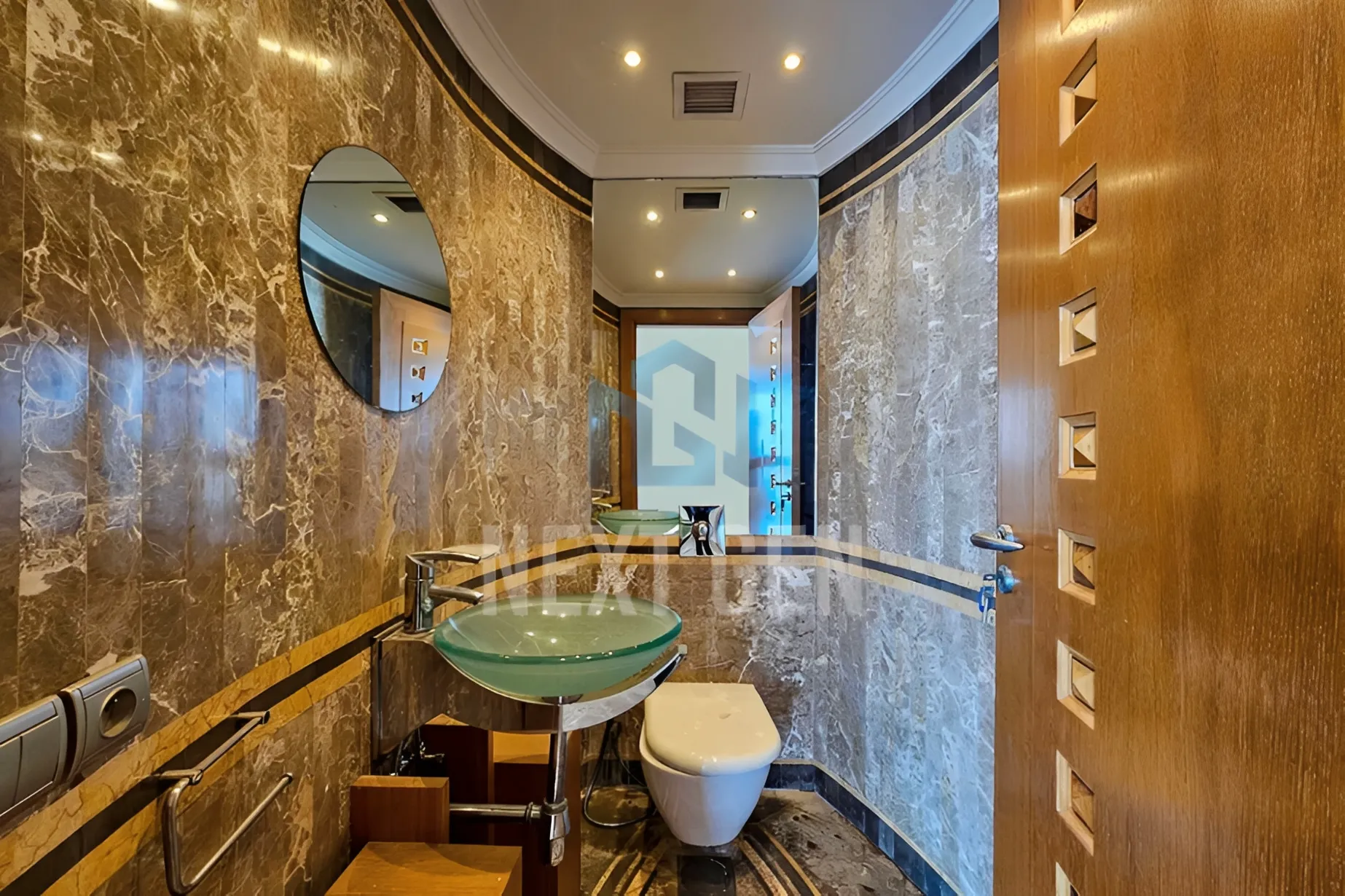
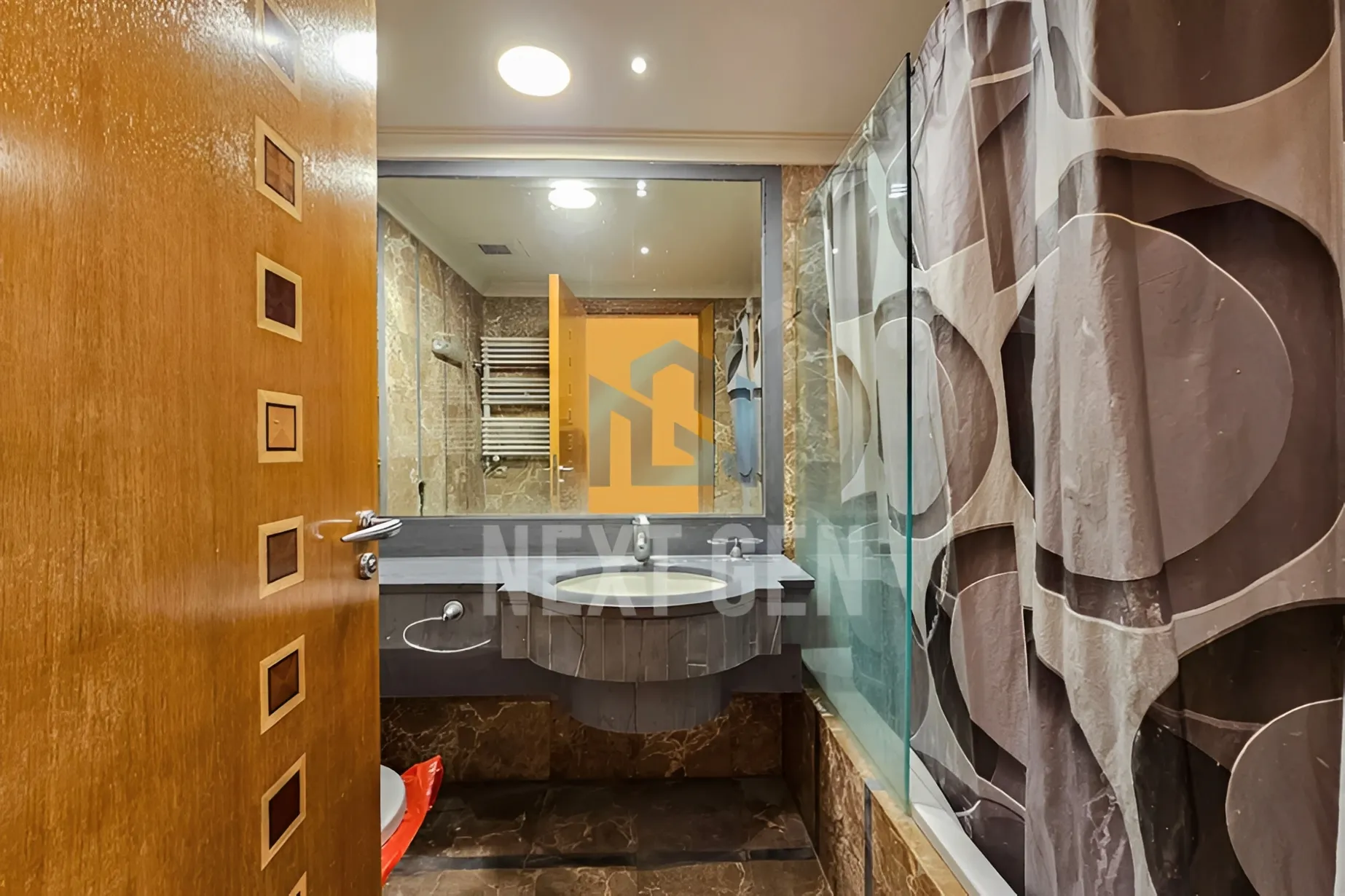
4 |
6 |
585 m²
Next Gen Real Estate SARL
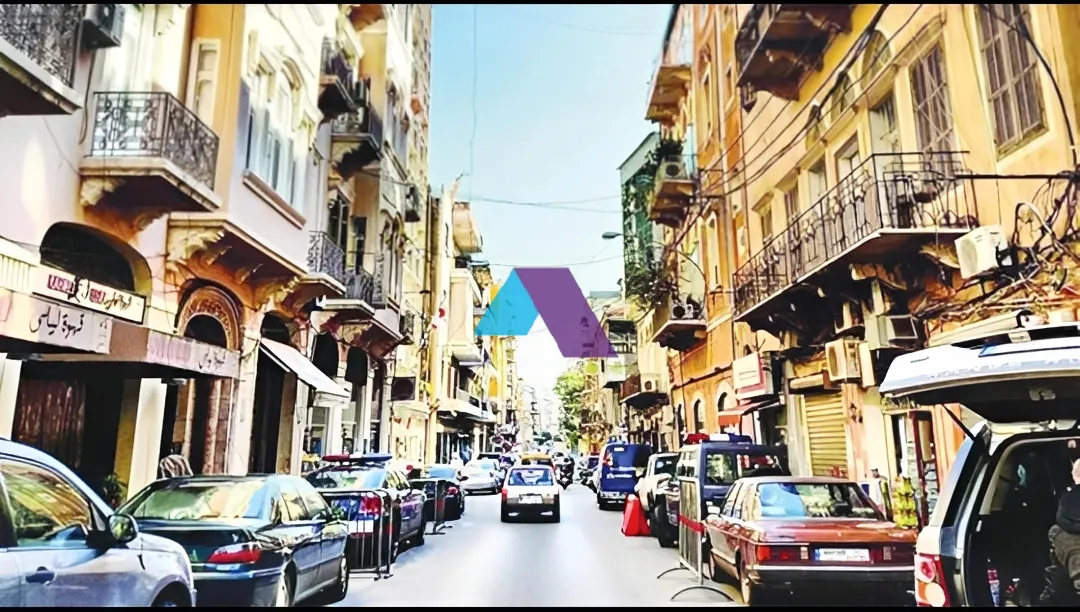
210 m²
ISOLD Real Estate
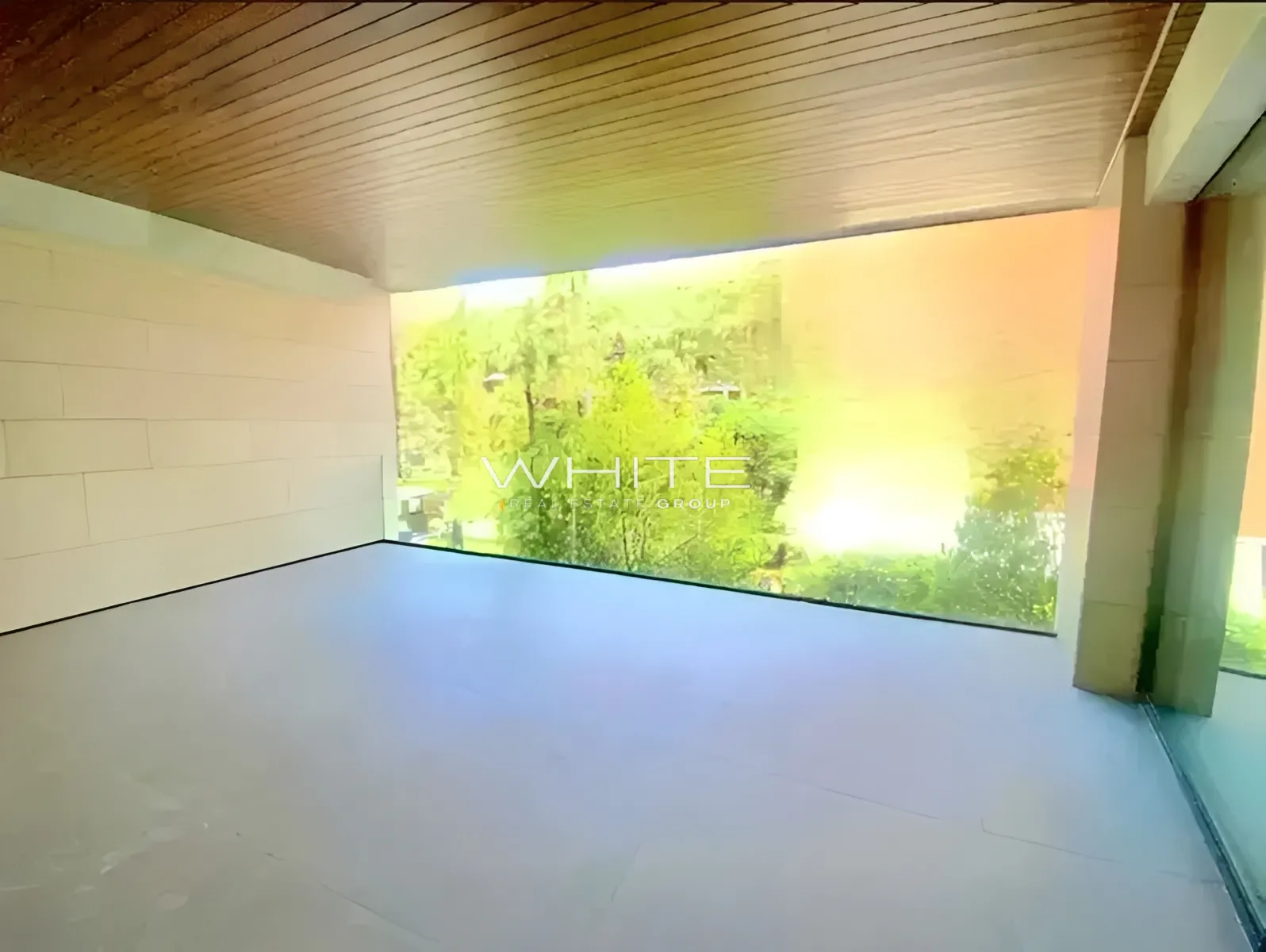
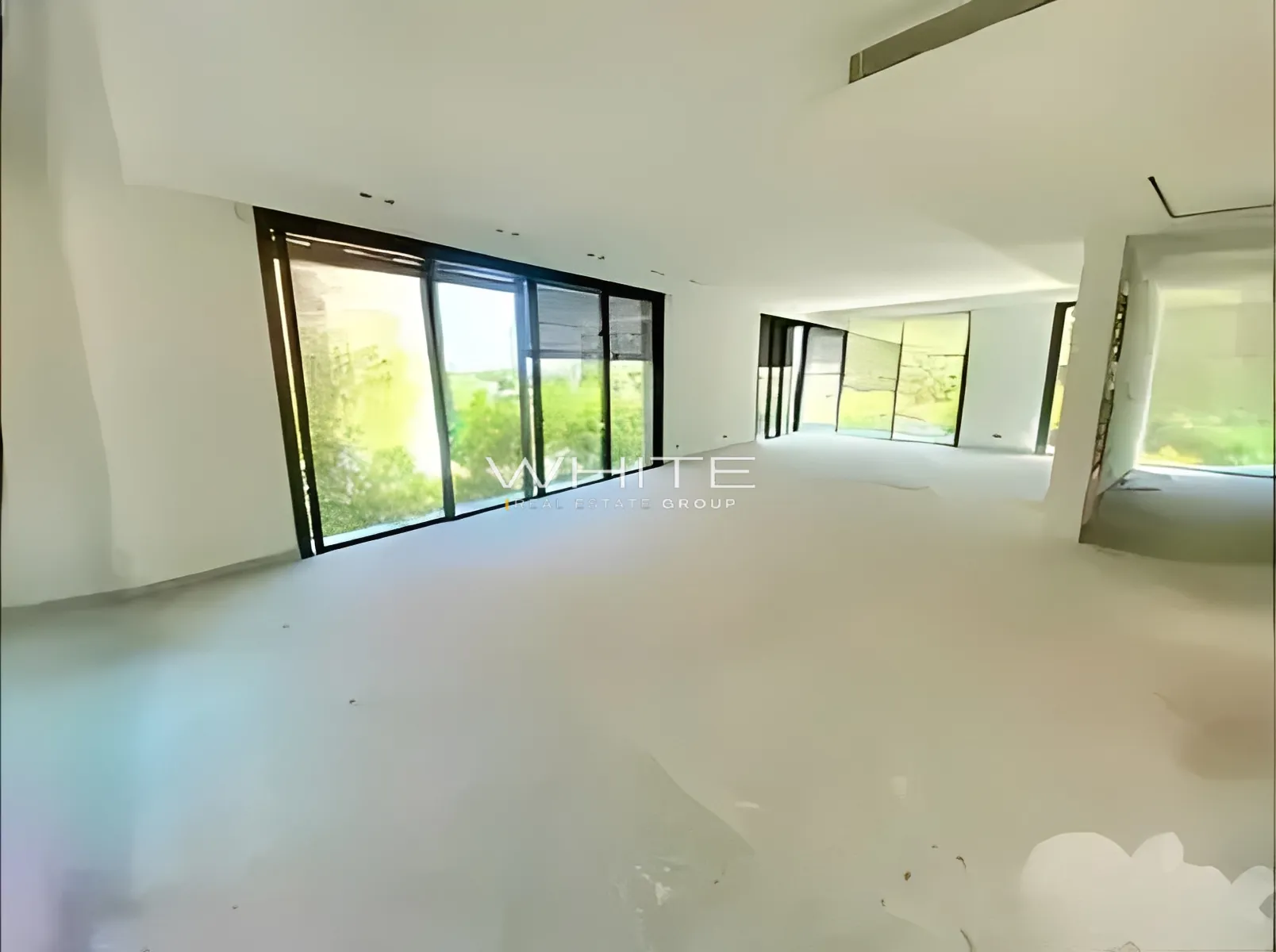
3 |
4 |
350 m²
White Real Estate Group
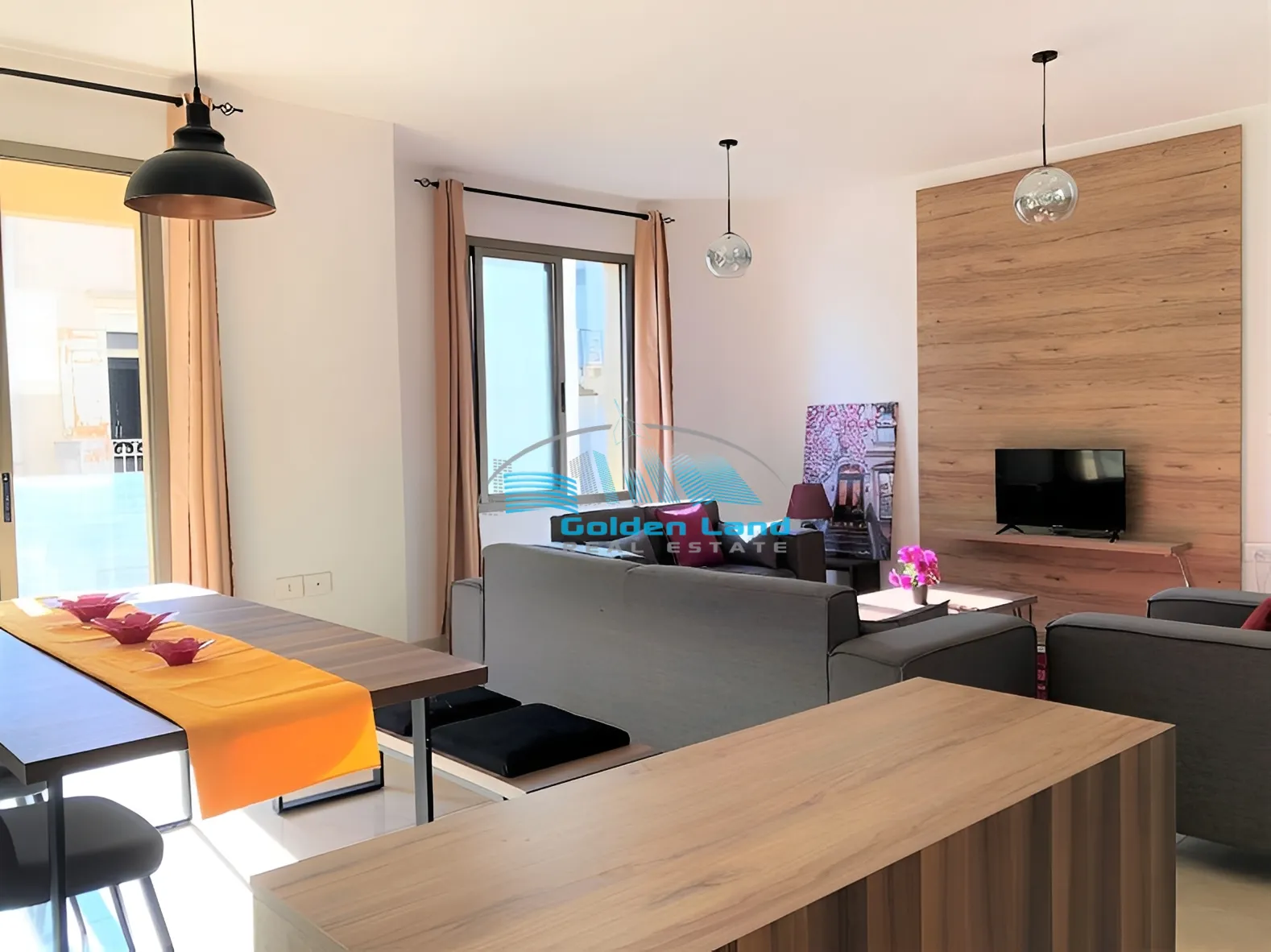
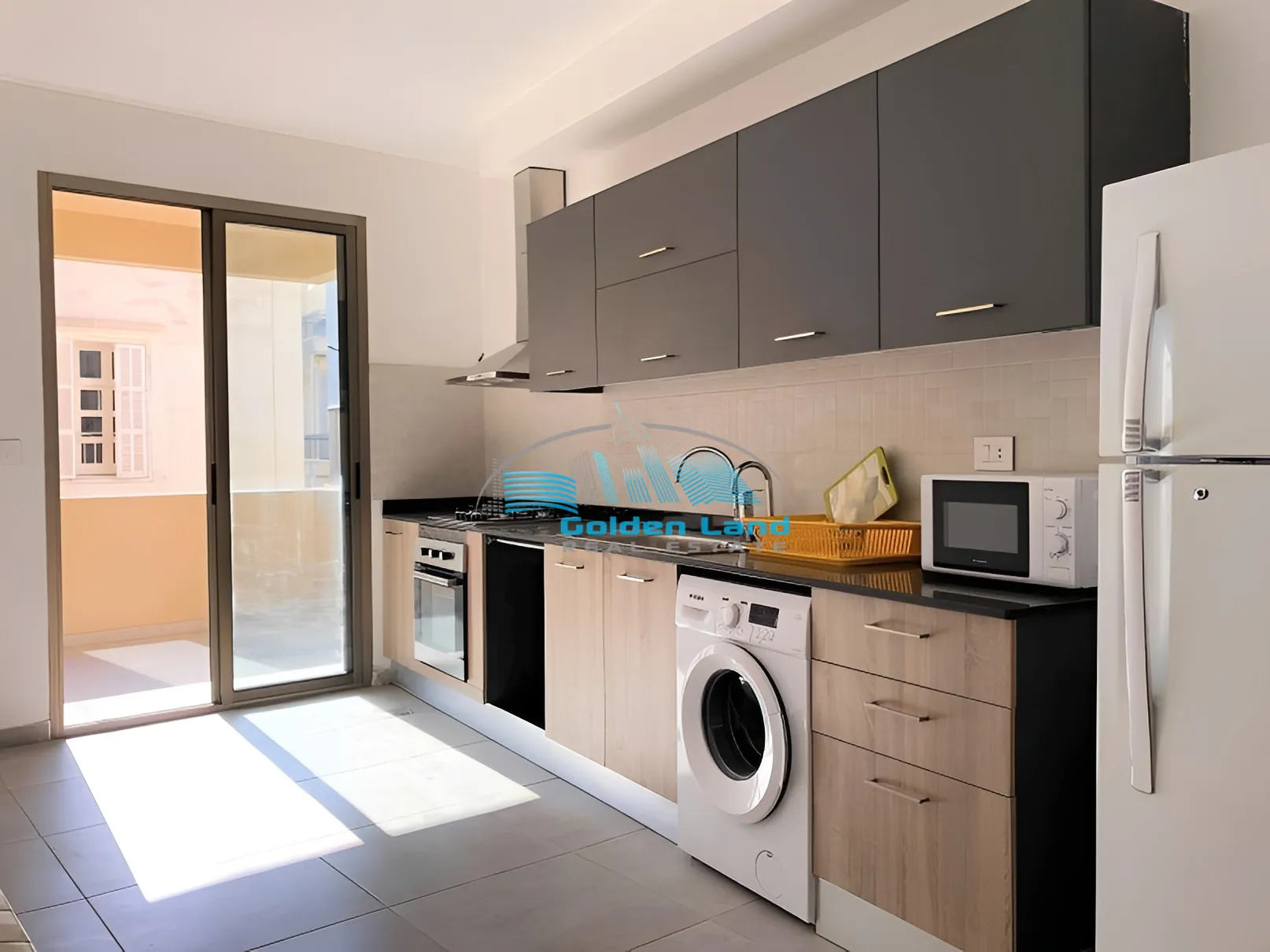
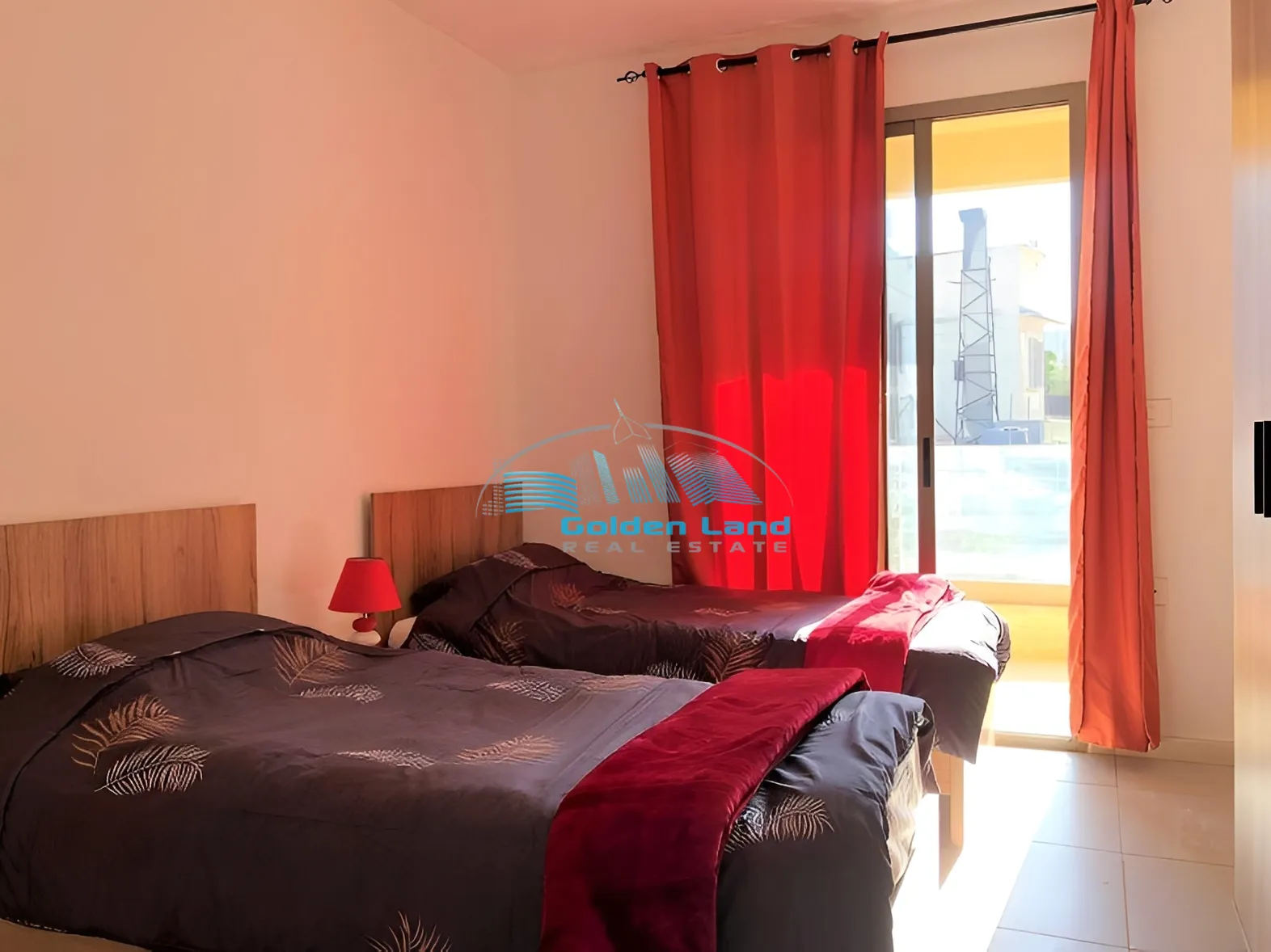
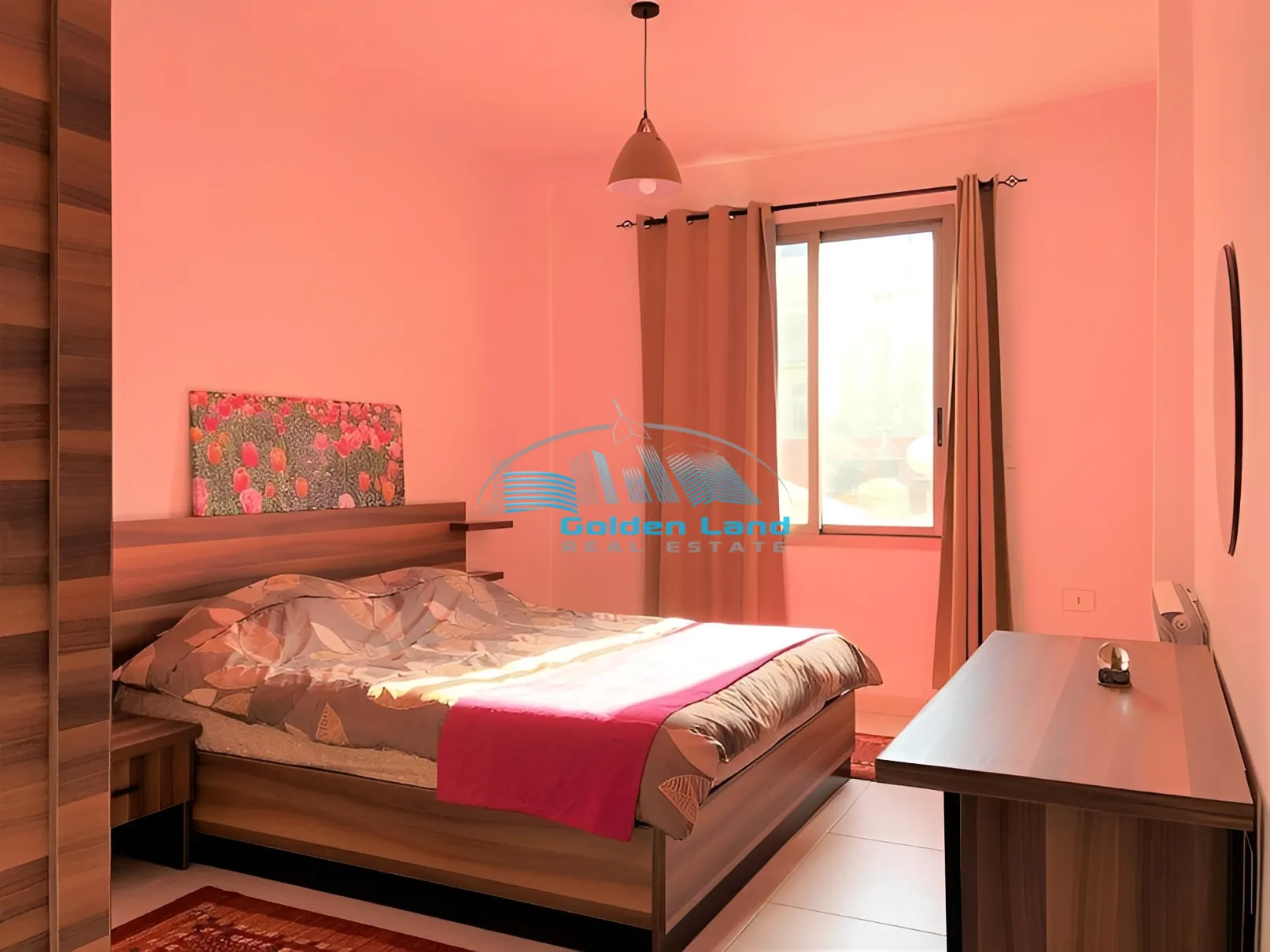
3 |
4 |
185 m²
Golden Land Real Estate
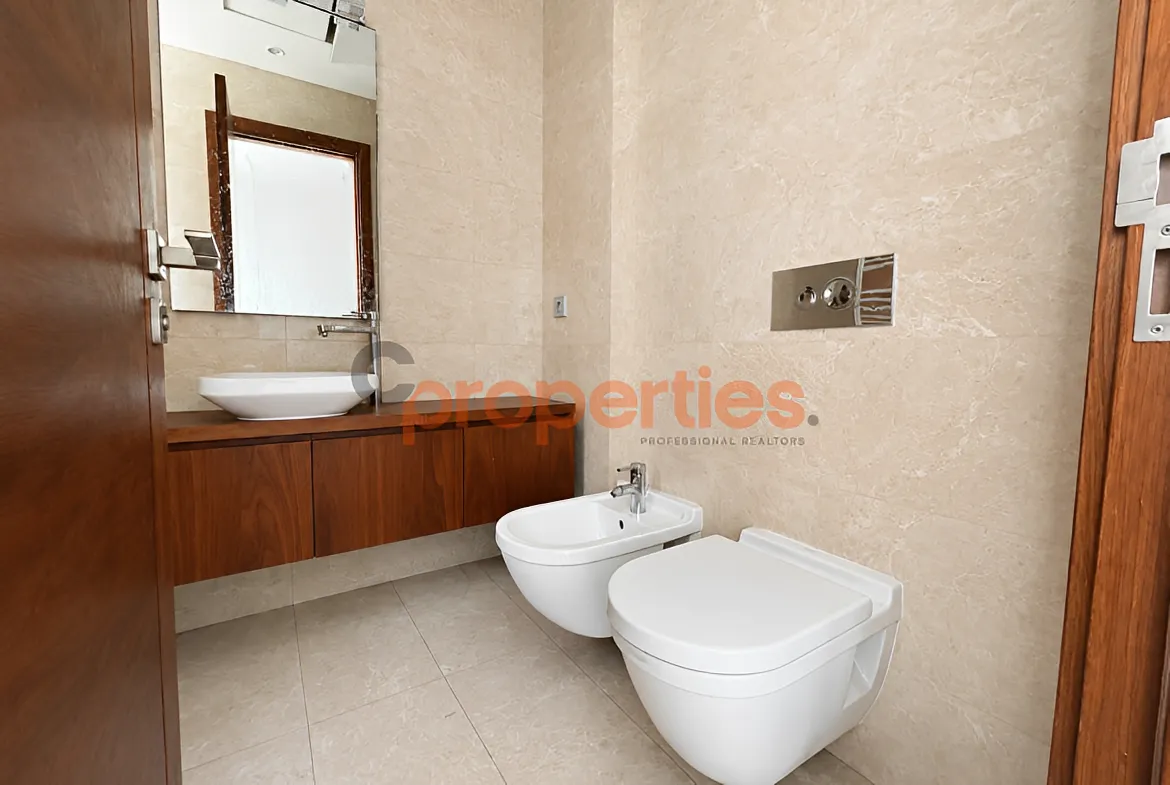
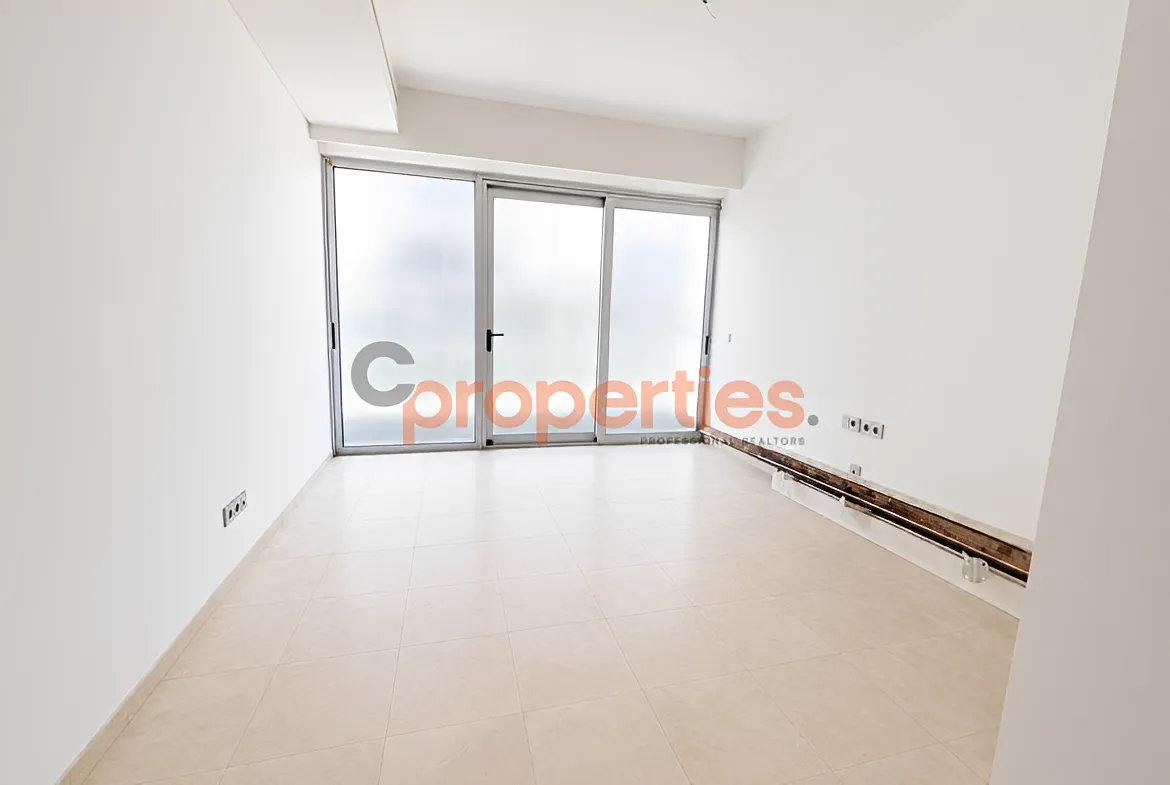
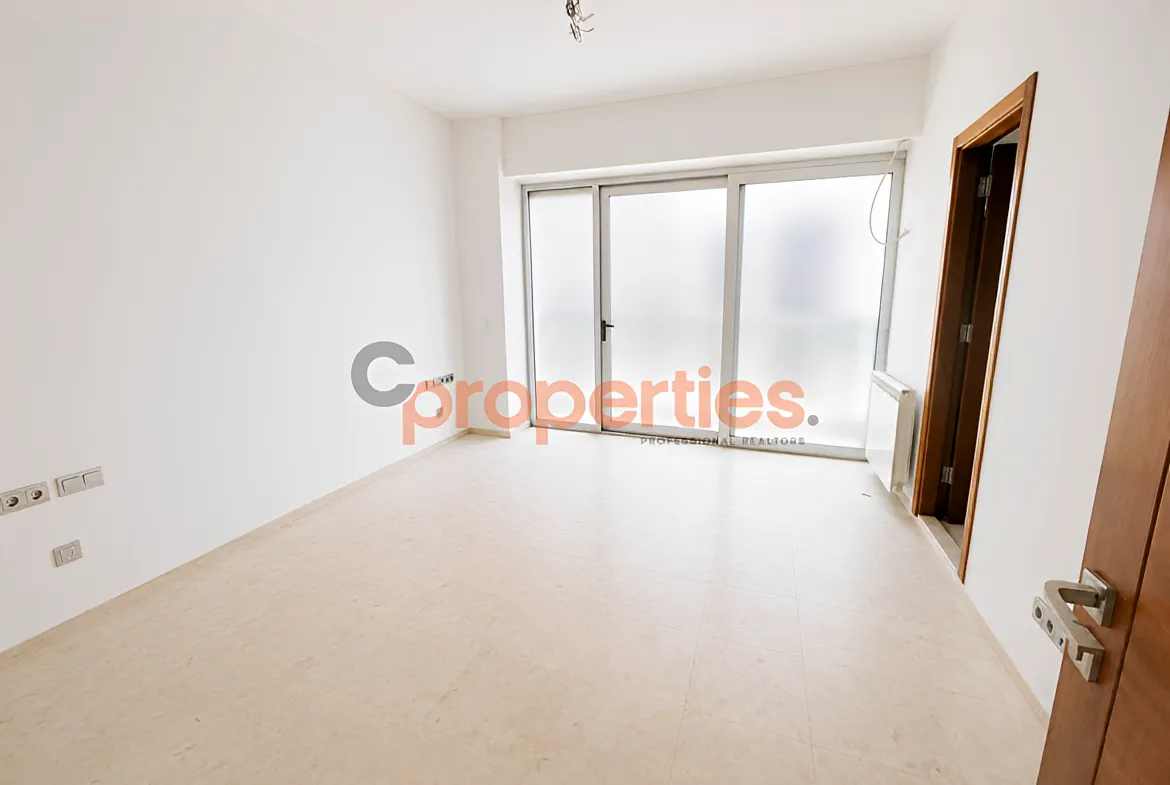
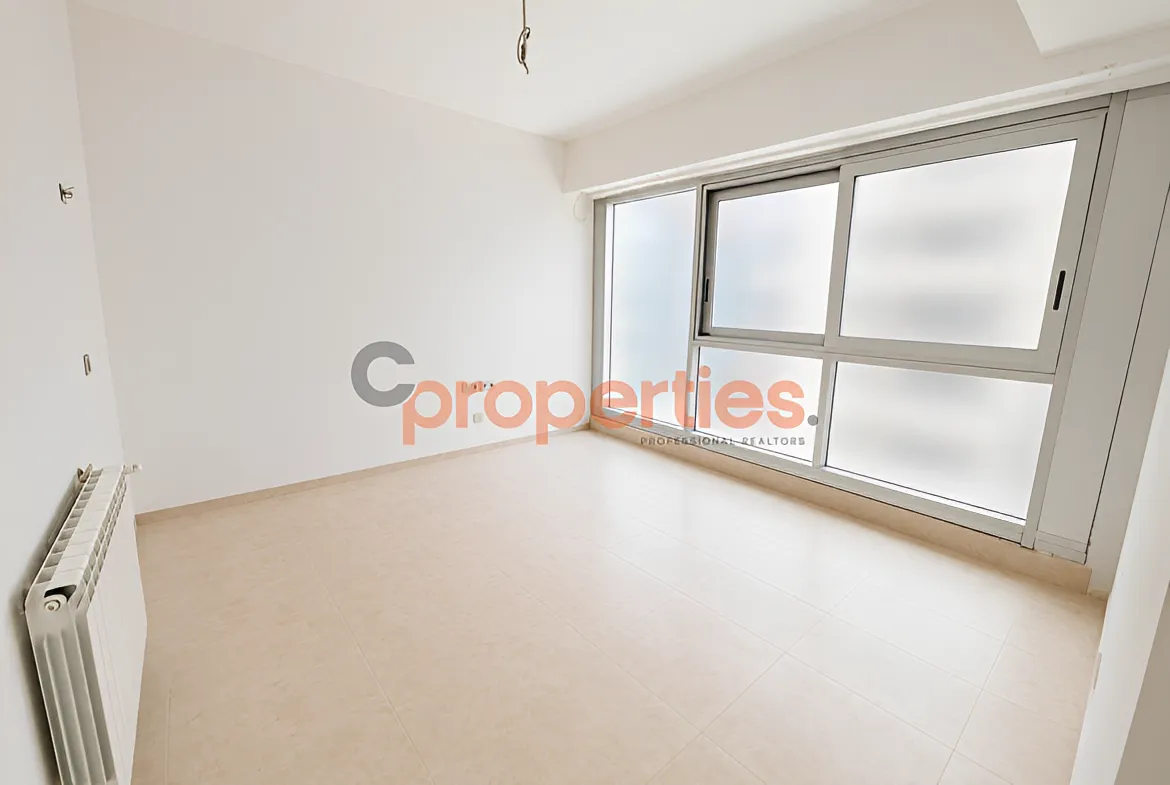
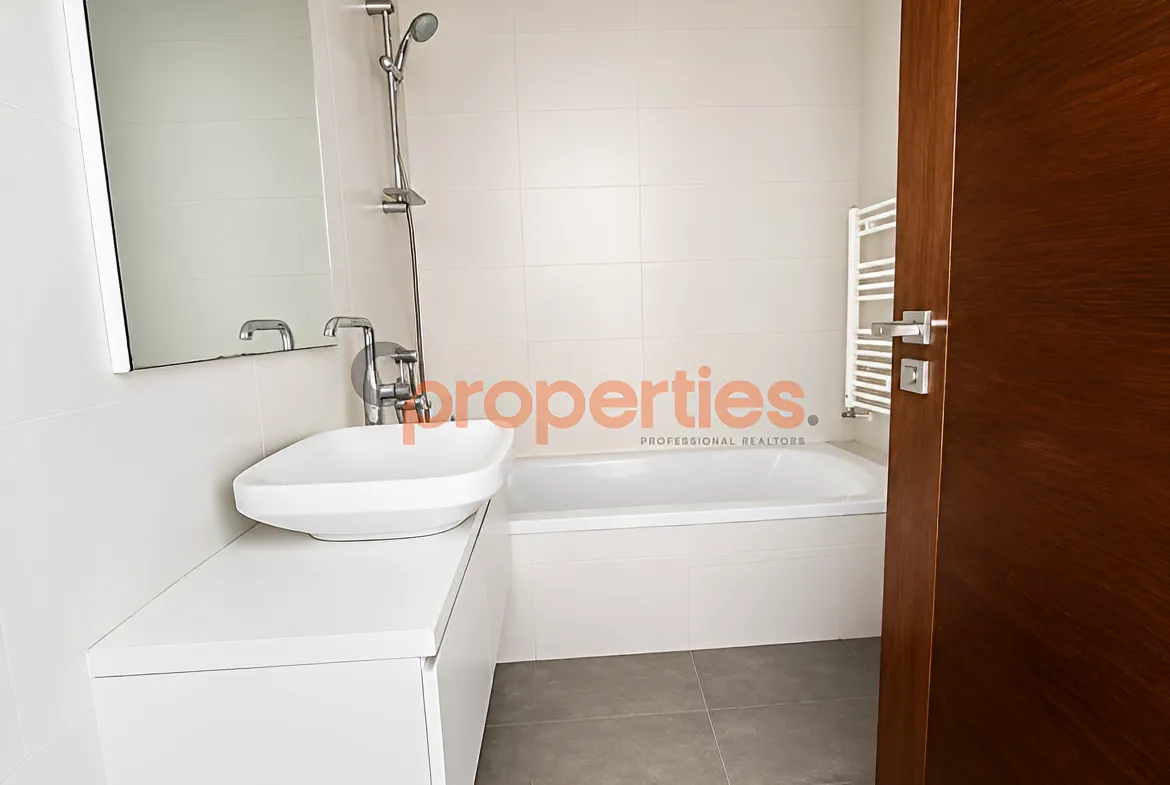
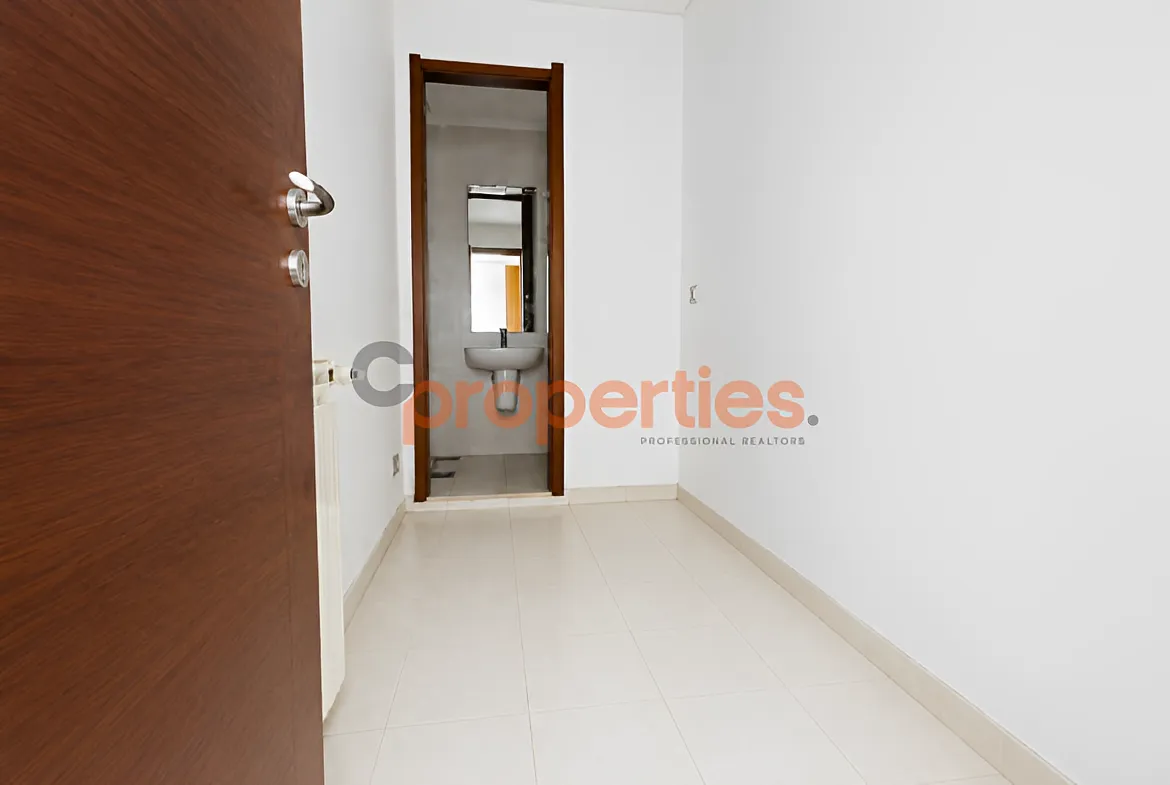
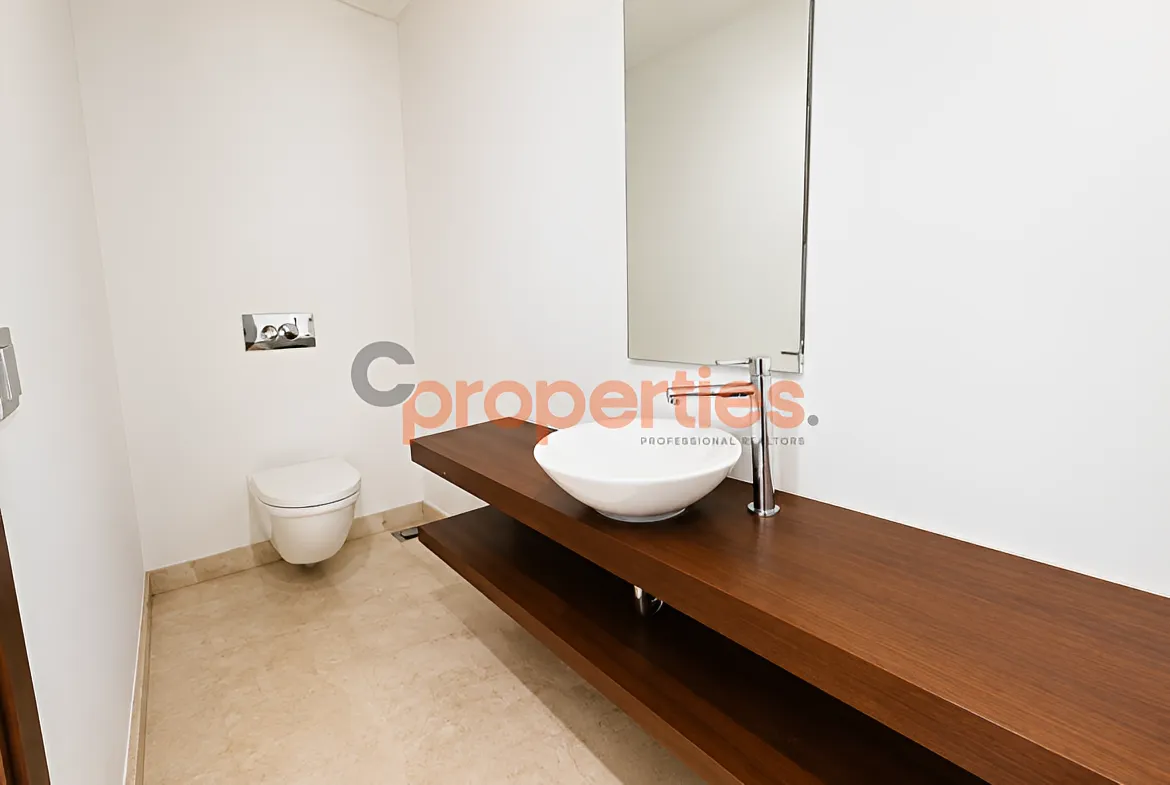
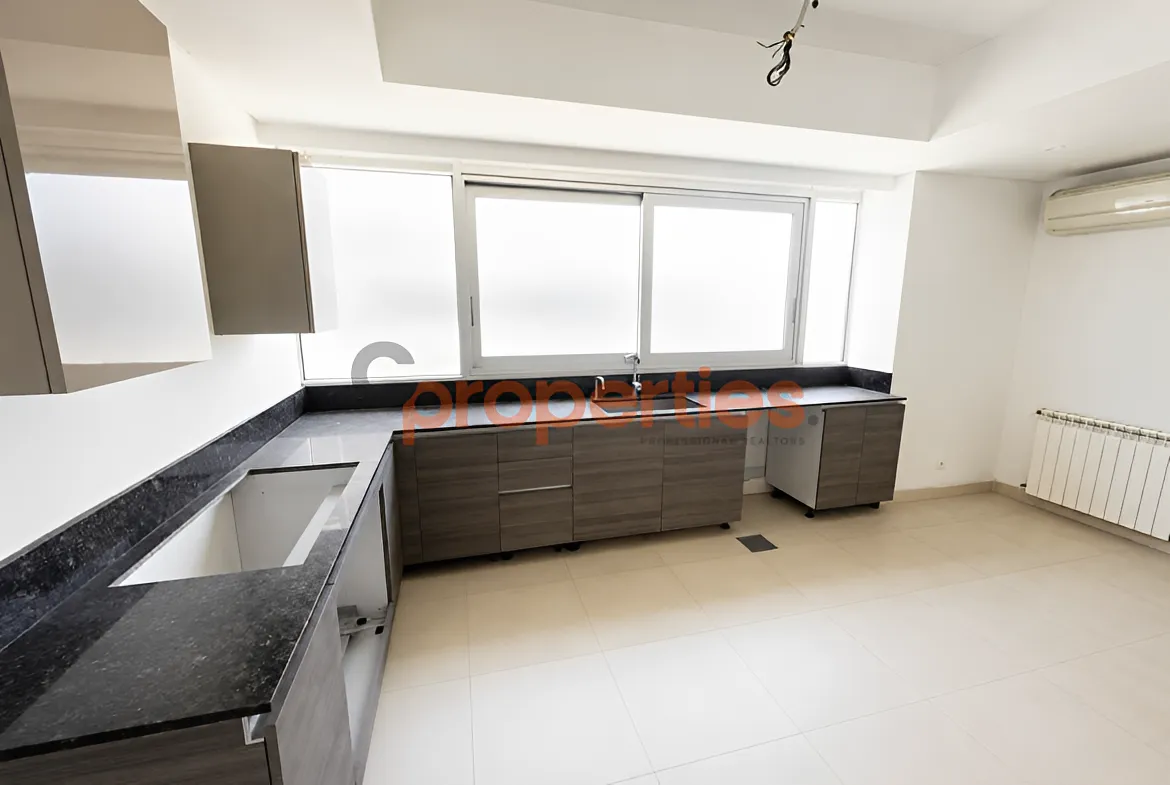
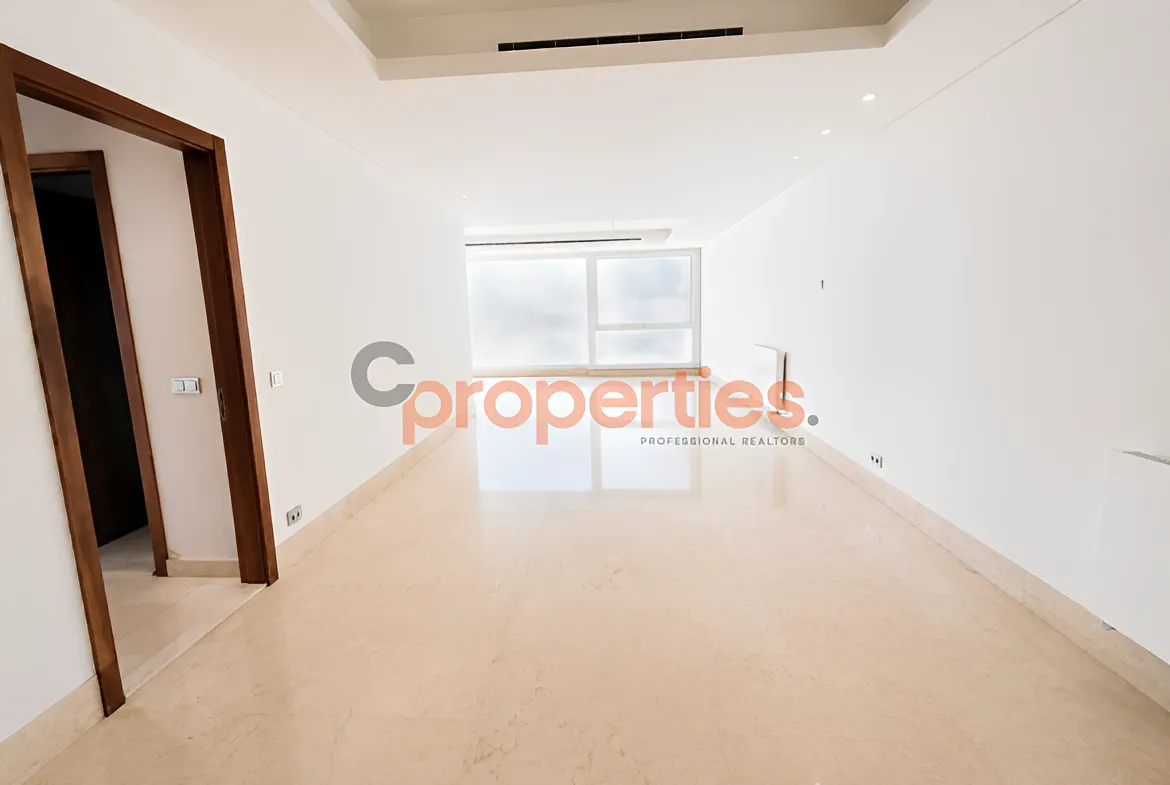
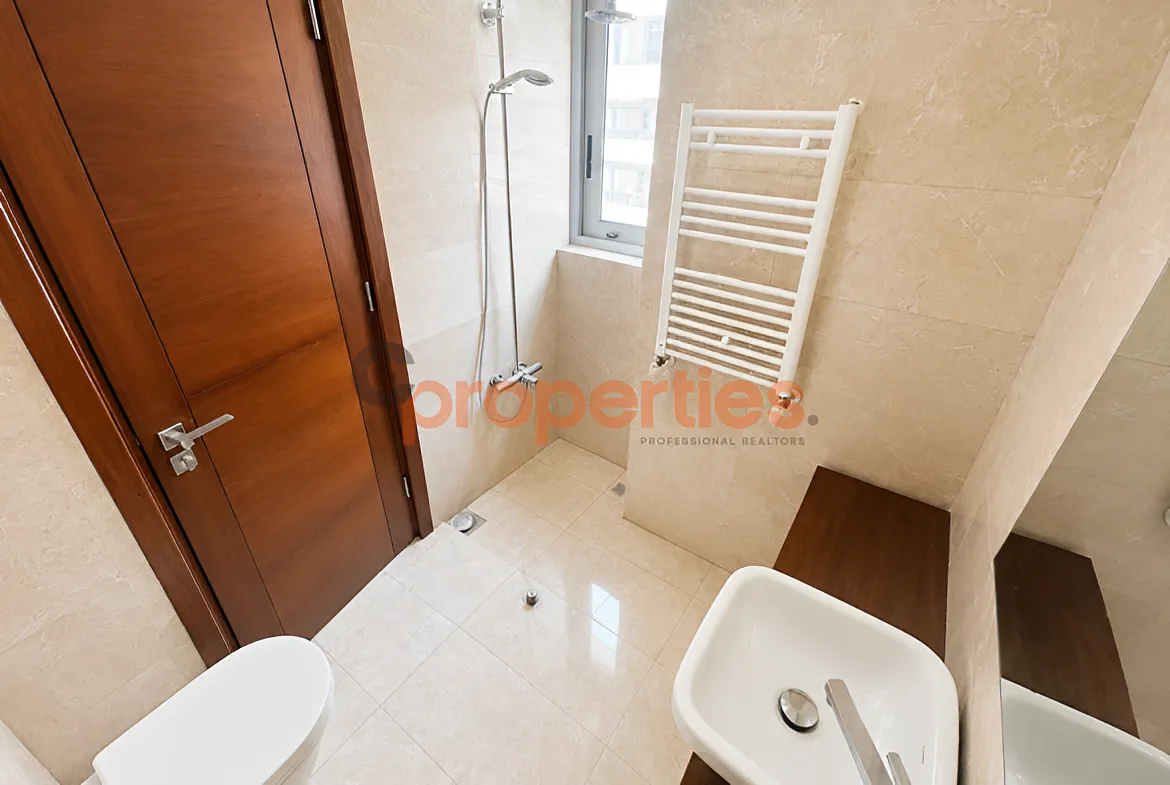
3 |
4 |
264 m²

C Properties
Explore other areas
Nearby areas
Recommended searches
Buying an Apartment in Beirut
The Beirut Property Market
Beirut's sale market spans a wide range, from smaller units bought as investments to large family apartments in the city's established residential districts. Prices are quoted in US dollars, and most transactions involve direct negotiation between buyer and seller rather than fixed asking prices.
The city divides sharply by district. Two areas fifteen minutes apart can differ by a third or more per square metre, driven by building age, position, and how established the district is as a residential address.
What Apartments Cost by District
Prices vary widely across Beirut. Downtown asks the most in the city by a significant margin. Achrafieh, Hamra, Ramlet el Baida and several other central and seafront districts cluster in a broadly similar upper band. Districts further from the centre ask considerably less.
These figures reflect asking prices in current listings rather than recorded sale prices, and the final price is usually negotiated. Based on listings on DoorEast, July 2026.
Choosing a District
- Achrafieh — The eastern side's most established residential district. Larger apartments in older buildings, and the strongest owner-occupier market in the city. Browse apartments for sale in Achrafieh.
- Hamra — Built around the universities and hospitals. The highest concentration of smaller units, and the district with the most consistent rental demand for buyers looking at yield.
- Verdun — Newer buildings and larger apartments, at the upper end of the Beirut range.
- Badaro — A compact residential pocket in the city's south, known for its walkable restaurant strip and proximity to the Pine Forest.
- Mar Mikhael — Converted heritage buildings and smaller modern blocks alongside the restaurant and nightlife strip.
What You'll Find
Much of Beirut's stock dates from the 1960s through 1990s, with newer construction concentrated in Verdun, Sodeco and parts of the seafront. Older buildings tend to offer more space for the price, with generous room sizes and multiple balconies, though renovation standard varies sharply between neighboring addresses.
Two and three-bedroom apartments are the most common configuration across the city. Smaller units concentrate in Hamra and Mar Mikhael, and are the most straightforward to let out if you are buying to rent.
Before You Buy
View more than one apartment in the same building where you can, since condition varies enormously between units at similar asking prices. Ask about the building's power and water arrangements, and about monthly building charges, since these carry over to you as owner. Confirm what maintenance the building has planned, as older Beirut buildings occasionally levy significant one-off costs to owners.
Common questions about buying in Beirut
Which district is most expensive?
Downtown asks the most in the city by a significant margin. Among the residential districts, the seafront areas lead — Ramlet el Baida in particular — with Achrafieh and Hamra somewhat below.
Are prices negotiable?
Generally yes. Asking prices in Beirut are usually a starting point rather than a fixed figure.
What ongoing costs should I expect as an owner?
Building maintenance charges, generator subscription and water are billed separately from the purchase. Ask for the current monthly figures before committing.
Is it better to buy a newer or older building?
Older buildings typically offer more space for the price, but may need renovation and can carry higher maintenance costs. Newer buildings usually include parking and modern systems as standard.
Which district is best for rental income?
Hamra has the most consistent rental demand in the city, driven by the universities and medical centre nearby, and the highest concentration of smaller units.